



We use cookies on this site to enhance your experience.
By selecting “Accept” and continuing to use this website, you consent to the use of cookies.
Nov. 3, 2026
Print | PDFMisophonia has sparked the interest of the internet, becoming one of the latest conditions to enter the social media and podcast discourse. Defined as a disorder characterized by intense emotional and physiological responses to specific sounds, misophonia remains poorly understood and has attracted skepticism online.
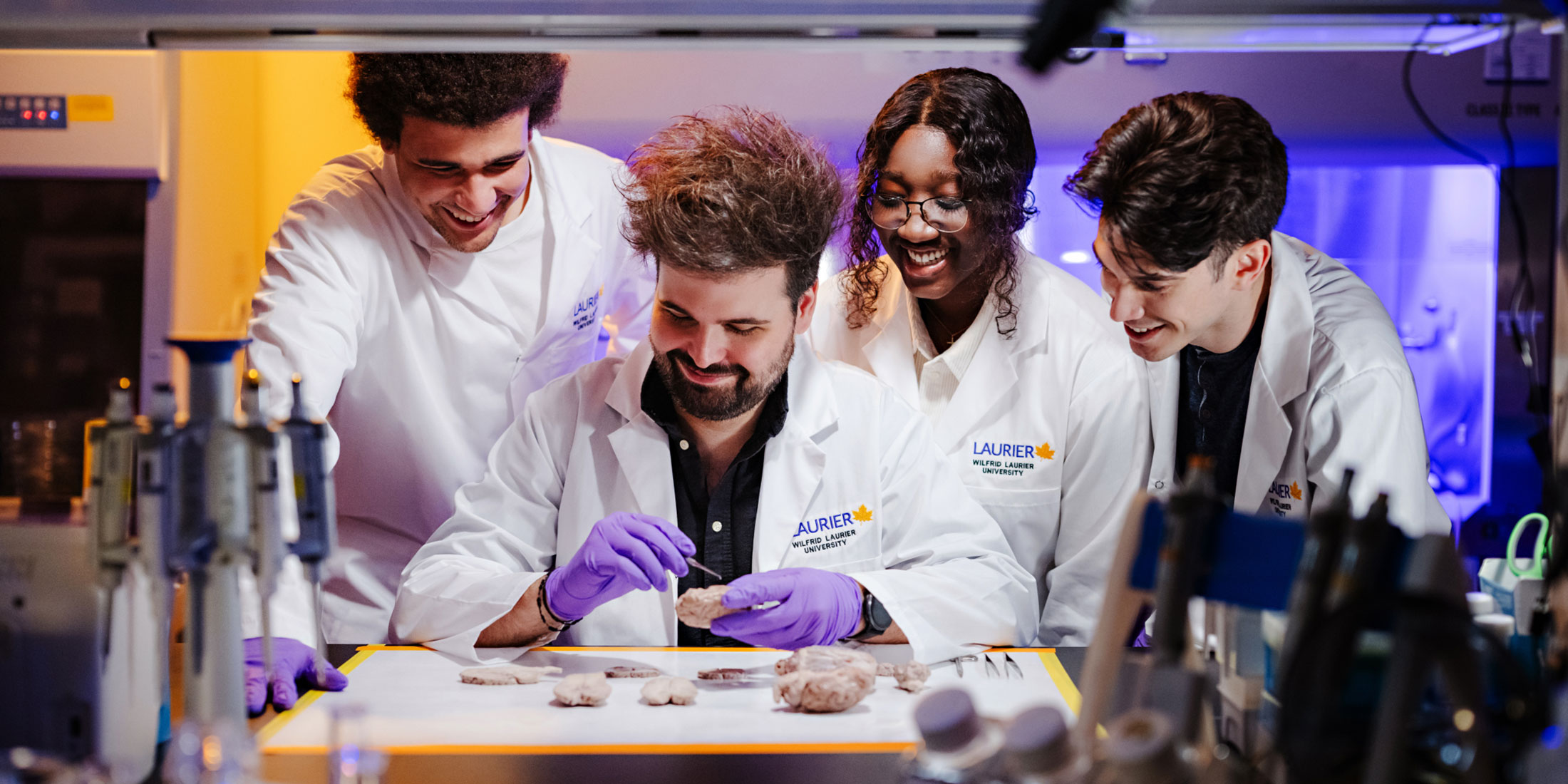
Nichole Scheerer, an assistant professor of Psychology at Wilfrid Laurier University, studies misophonia in her Cognisant Lab, dedicated to cognitive neuroscience and development research. As she and her students continue to learn more about the disorder, she is eager to raise awareness of the real people she meets who are suffering and, often, living in shame. Below, Scheerer explains what is known about misophonia and how her research is producing more answers.
Misophonia is a condition in which people have a strong aversion to specific trigger sounds. Aversion is what differentiates misophonia from other types of sound disorders or intolerances because it's not necessarily about the loudness or amplitude of the sound – it's about the sound itself. In some situations, it can even be context specific: a certain person producing a certain sound.
The most common class of triggers is human-produced sounds. Specifically, mouth sounds, such as chewing, slurping, breathing or snoring, and repetitive movements, like pen clicking or typing on keyboards.
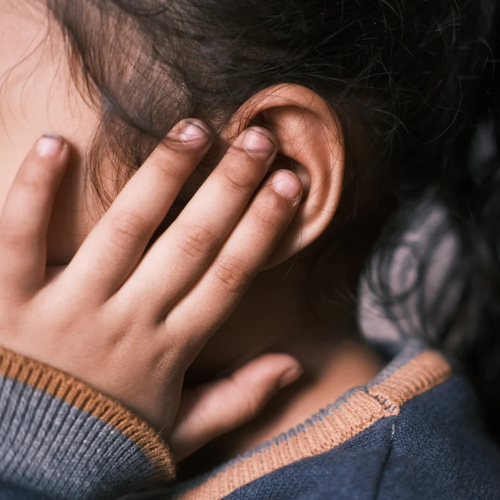
These trigger sounds tend to elicit an automatic negative response in someone with misophonia. The response varies across people, but typically it can be rage, extreme bouts of anxiety or bursting into tears. It looks like a fight or flight response, especially in children. Likely because of poor emotional regulation, their first instinct is to escape or run away, or cover their ears to block out the sound.
The key distinction is impairment. When the condition is interfering with someone's ability to function in their daily life, when they're struggling in their social relationships, when they're constantly avoiding certain environments, when they're experiencing extreme mental health difficulties as a result of their misophonia triggers, that's when it crosses the bridge from just an annoyance to a clinical problem.
The comparison I use is anxiety. Everyone is anxious from time to time, but most of us don't have clinical levels of anxiety.
We conducted a prevalence study at Laurier and found that between 12 and 18 per cent of university students have this condition.
At this point, we don’t know what causes misophonia. It appears to occur pretty early in childhood development. At our BrainWorx day camp last summer, my master’s student, Lily Wortley, and her team ran 100 kids between five and 12 years old through our decreased sound tolerance protocol. Our preliminary data suggests that five per cent of those children may be experiencing clinically significant misophonia symptoms.
I think misophonia is another form of neurodiversity and understanding more about the developmental period is going to be critical because I believe there is a learned, conditioned component to it. After we are repeatedly exposed to a particular auditory stimulus, our brains evaluate whether that stimulus is threatening or non-threatening. It’s possible that the brain is allocating a threat response to triggers that are actually harmless. This misattribution may then drive the misophonia response, so the question is why? We don't know that answer yet and we’re doing a lot of research to figure it out.
"The key distinction is impairment. When the condition is interfering with someone's ability to function in their daily life, that's when it crosses the bridge from just an annoyance to a clinical problem."
It differs from person to person depending on what their trigger is. If your trigger is chewing and you can't sit at a dinner table with your family or friends, that's going to have big social implications. When I wrote my first paper on decreased sound tolerance, we asked parents of autistic children how misophonia affected their child’s daily life and one mother told me that her daughter ate lunch in a bathroom stall at school because she could not stand the chewing sounds in the cafeteria. She completely isolated herself from her peers because she had to avoid that trigger.
Misophonia is associated with anxiety and depression. A lot of people with misophonia have told me they are ashamed of themselves. One mother said she screams at her children for making noise and sends them out of the room and then feels so much guilt, but she just can't deal with the arousal and distress that she's experiencing. It makes her feel like a bad mom.
Yes. There are “in the moment” coping strategies and then more long-term therapies. In the moment, if you have to sit at the dinner table and eat with your family, for example, you could put on headphones and listen to music or play white noise to mask some of those triggering sounds. You could also wear noise-cancelling headphones. Obviously, the complication is that if you’re blocking out the triggers, you’re also blocking out everything else. My collaborators, Elina Birmingham and Siamak Arzanpour at Simon Fraser University, are currently working on a device to selectively filter certain types of sounds.
Currently, the most effective long-term treatment seems to be cognitive behavioural therapy. Since misophonia may be related to a learned threat response to triggers, if you can expose people to those triggers in a controlled, safe environment and help them regulate their emotions, over time, it might decrease the intensity of their response. That has shown promise so far.
There are also easy ways for others to support someone with misophonia. Don’t bring a cup of coffee when you see them, plan activities that don't involve eating; tailor your interactions to whatever their triggers are. Understanding and awareness are huge first steps.
That’s a common message I hear from people who suffer from misophonia: one of the hardest parts is that others think they’re making it up. It makes them feel crazy.
I think it’s natural for people to question its validity, but research confirms misophonia is real. For example, studies have looked at the physiology of people with misophonia when being exposed to their triggers. They found an increase in skin conductance, which reflects activation of the sympathetic nervous system. Essentially, when we become physiologically aroused, our sweat glands become more active, changing the electrical conductivity of our skin. That’s an objective, measurable response.
I recently received an email from a mother who told me her son took his life three weeks before his 37th birthday. He spent his whole life struggling with misophonia. He tried headphones, medications, counselling, electroconvulsive therapy – everything under the sun to try to manage the distress he experienced because of this condition. Nothing helped and it culminated in his death. His mother told me she wanted people to understand the seriousness of this condition and she was happy to hear we are doing research.
Her message has really stayed with me. It illustrates how profoundly misophonia can affect someone's life and why we need to take it seriously. We're still in the early stages of understanding this condition, but there is growing evidence that treatments can help, and I'm optimistic that continued research will lead to better ways of identifying and supporting people who are struggling.
Suicide is complex and cannot be attributed to any single condition or experience. If you are experiencing emotional distress or thoughts of suicide, help is available. In Canada, you can call or text 9-8-8, the Suicide Crisis Helpline, 24 hours a day, seven days a week, to speak with a trained crisis responder. You can also visit 988.ca for more information. If you or someone else is in immediate danger, call 9-1-1 or visit your nearest emergency department.