
We use cookies on this site to enhance your experience.
By selecting “Accept” and continuing to use this website, you consent to the use of cookies.
Nov. 20, 2026
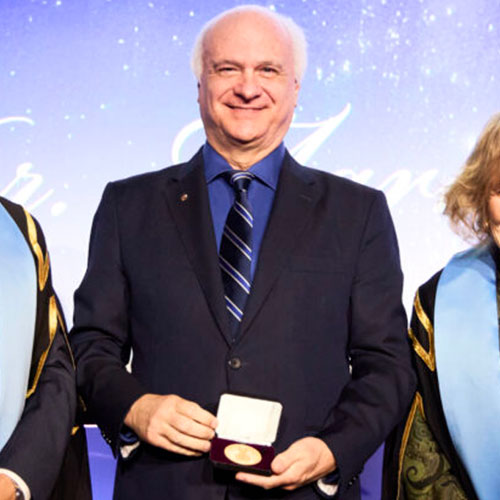
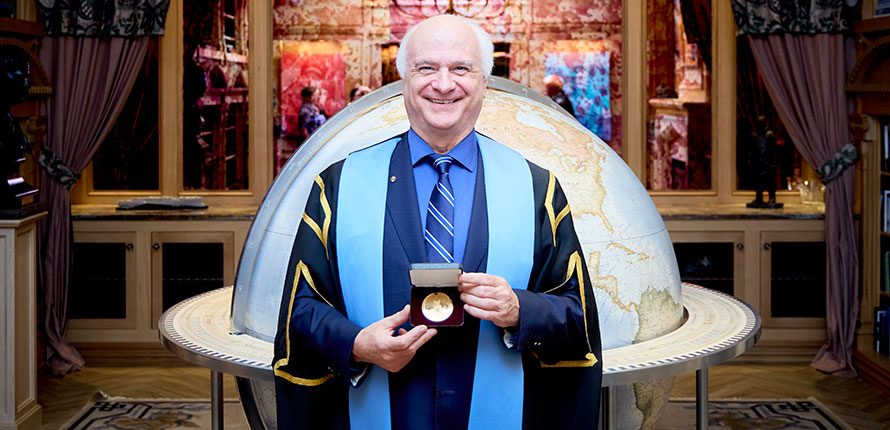
Print | PDFMark Terry, an instructor in Wilfrid Laurier University’s Department of Global Studies, was awarded a Gold Medal by the Royal Canadian Geographical Society (RCGS). The non-profit organization recognized Terry as “a leading figure in environmental filmmaking, pushing the medium to new heights.”
Throughout his career, Terry has produced environmental films on all seven continents, documenting the effects of climate change around the world. He pioneered the Geo-Doc technique, a unique combination of video storytelling and Geographic Information System (GIS) maps. Terry is the founder of the Youth Climate Report, a digital database of more than a thousand videos used to engage and inform United Nations (UN) delegates, negotiators and policymakers about youth climate action.
Best known for its Canadian Geographic magazine, RCGS also supports Canadian geographical expeditions and research. Its Gold Medal honours outstanding achievement in the fields of geography, education, science and exploration.
Below, Terry reflects on what the award means to him and why he remains so passionate about fighting climate change.
Recognition from this nearly 100-year-old academic and scientific organization is validation of my work in critical communication study, recognizing how the Geo-Doc has been proven on a global scale and contributed directly to UN policy. Previous winners of the Gold Medal include Jane Goodall, Sir David Attenborough, Jean Chrétien, Margaret Atwood and James Cameron. Being included in such esteemed company is very humbling, to say the least.
In 2021, the UN recognized the Youth Climate Report with an SDG Action Award for its contribution of video reports on the 17 Sustainable Development Goals and for amplifying the underrepresented voices of youth, Indigenous Peoples and those living in remote parts of the world.
In 2023, Seth Ansong, a student from Ghana we worked with through Laurier's Ghana Youth Videography Programme, made a film called A Proposed Solution. The film proposed using plastic waste as raw materials to build homeless shelters and was screened at the United Nations Climate Change Conference in Dubai. It directly inspired three policymakers from Kenya, the Seychelles and France to introduce the program in their own countries. This represents a direct connection between one of our students' films and tangible impact on a global scale.
I have seen genuine change from bringing visible evidence of climate research to UN policymakers, many of whom struggle with scientific texts since they don’t have backgrounds in science. The films of the Youth Climate Report and my own feature documentaries help bridge the communications gap between science and policy. I see it each year when I attend the COP conferences.
I am also motivated by the satisfaction I receive working with our students. Many of them recognize the importance of fighting climate change, but short of sharing a few posts on social media, they are often at a loss for what to do. Teaching them how to make these films for the UN gives them a feeling of empowerment and accomplishment, knowing their classroom projects are being presented at UN climate summits and having direct impact on global policy. I feel great joy seeing our students enthusiastically develop valuable environmental communication skills and feeling like they are "doing something" meaningful for their future.
I have been contracted to write two books: one about the Youth Climate Report and one called Antarctica Chic. It is part of Intellect Books’ ongoing "Chic" series and will examine the culture, values, symbols and myths of Antarctica. I am planning a return visit to Antarctica in 2028 to produce a follow-up to my 2009 film, The Antarctica Challenge. I will also continue my work in the field studying glaciers in Greenland, Alaska, Canada and Norway, and their connected water bodies.