




Research Centres, Initiatives and Research Chairs
The Faculty of Social Work hosts multiple opportunities for scholarship and impact through a variety research centres and groups, initiatives, and research chairs.
Our faculty members pursue crucial research interests across the micro-macro practice spectrum from the local to global contexts. They use various research methodologies, including critical, feminist, and Indigenous methods. Aligned with social work’s mission and values, our faculty’s research addresses several core areas.
Faculty conduct research in partnership with marginalized and vulnerable communities and work toward social justice and social transformation. Faculty are deeply engaged with the community and engage is scholarship that is driven by community priorities, centres community voices, and advances social justice and inclusion.
This area includes Indigenous scholarship by Indigenous faculty members as well as research on decolonizing practices and relationships between Indigenous and non-Indigenous communities. Common to these topics is strong recognition, respect and value placed on Indigenous knowledge and ways of knowing, being and doing.
Faculty engage in research exploring the connections between various forms of adversity and trauma, and wellbeing, with the goal of facilitating positive wellbeing, belonging, and inclusion. This work informs interventions at the micro and macro levels, and challenges systems of oppression.
Faculty examine the ways gender and gendered experiences (i.e., expressions, identities, sexualities, and embodiment) are shaped by and intersect with factors such as racism, colonialism, patriarchy, cisgenderism, heterosexism, ableism, poverty, and religion. Faculty explore topics such as violence against women, criminal justice, immigration and refugee issues, disability, and 2SLGBTQ+ experiences.
Hear from our faculty's experts to learn more about their work.
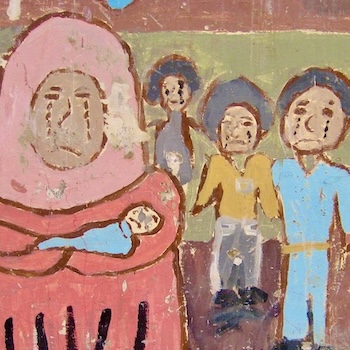
The Global Adversity and Wellbeing Research Group explores the connections between extreme adversity — such as poverty, war, and climate change — and wellbeing, emphasizing the concepts of place theory with a particular focus on family and home.
Core research areas include parenting in the context of war, domicile as a human rights violation, and global social systems strengthening.
The Manulife Centre for Community Health Research (MCCHR) is an interdisciplinary community development and research centre guided by the determinants of health. MCCHR is an incubator for researchers, students, and community partners committed to community-based scholarship and development in the field of health and wellbeing.

The Social Innovation Research Group (SIRG) is inspired by the FSW’s commitment to community development and desire to support researchers and students dedicated to community-based research with equity-seeking populations within a feminist framework.

Canada Research Chair (Tier II), Bree Akesson
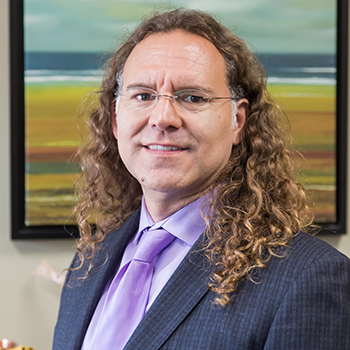
Lyle S. Hallman Chair in Child and Family Welfare, Gus Hill