



We use cookies on this site to enhance your experience.
By selecting “Accept” and continuing to use this website, you consent to the use of cookies.
April 16, 2026
Print | PDFTo people around the world, mistletoe is widely recognized as an invitation for holiday romance. In Oklahoma, mistletoe is a marker of cultural heritage. Designated as Oklahoma’s official floral emblem, it is the oldest state symbol in the United States. Though mistletoe’s ability to withstand harsh winters is said to symbolize the grit of Oklahoma’s early pioneers, the flower may have met its match in climate change. According to a new study from Wilfrid Laurier University, climbing temperatures could leave mistletoe without a place to grow by the end of the century.
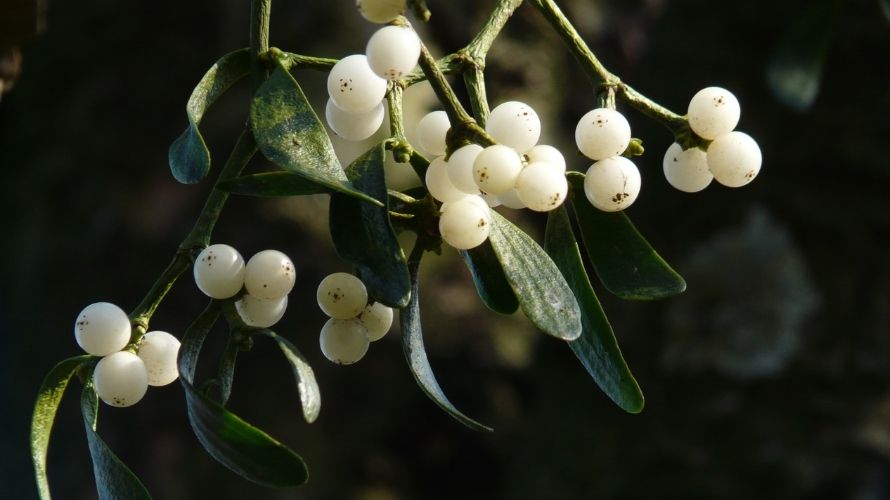
Mistletoe is the floral emblem of Oklahoma.
It's not just mistletoe that faces an uncertain future: more than half of American state plant and insect species are projected to suffer habitat loss due to climate change. Laurier researchers examined the effects of projected climate warming on 64 state flowers and 68 state insects, all of which have cultural and historical significance, as well as linkages to Indigenous traditions.
Up to 79% of insect species and 85% of flower species are expected to shift their habitats north and uphill as temperatures warm. These shifts – across state lines, in many cases – may lead to unpredictable ecological interactions and population decline due to inadequate protection and conservation policies.
If carbon emissions continue to increase, projections show 10 state flowers and three state insects are likely to face local extinction by the 2080s. Although most of these species could relocate elsewhere, only two are projected to have suitable habitats located adjacent to their current homes, potentially limiting natural dispersal.
“Someone may not care about a ‘random’ plant or bug, but if it’s their state flower or insect, maybe they will have more of an investment."
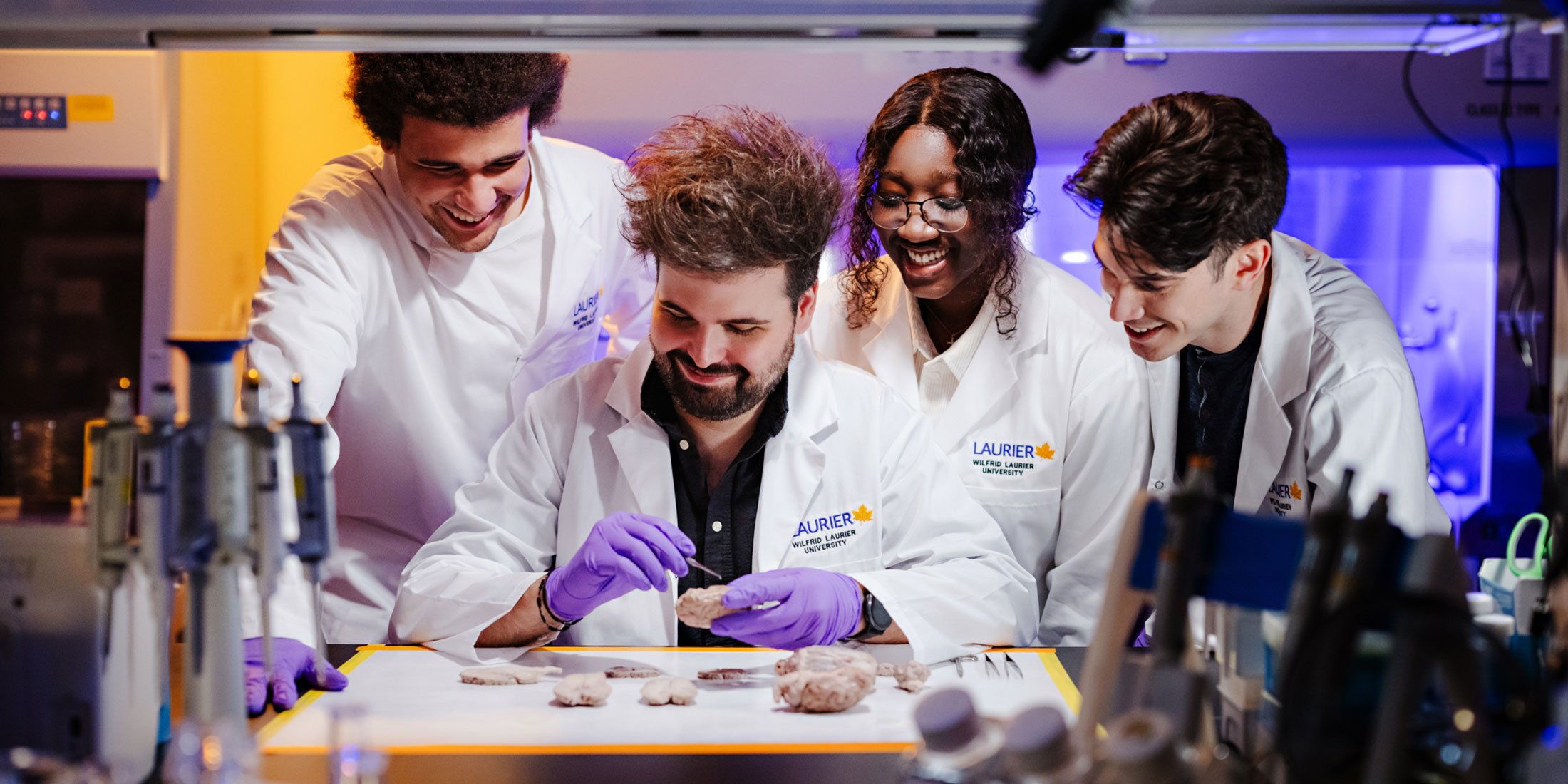
The Laurier research team – including Xuezhen Ge and Ya Zou, postdoctoral fellows in the Department of Biology; Heather Hager, a research facilitator in the Office of Research Services; and Jonathan Newman, vice-president: research – chose to highlight state symbols to emphasize that the impacts of species loss are not only ecological. Climate change also threatens cultural heritage.
“These are culturally important plants and insects,” says Ge. “If they can no longer survive in their designating states, it could disrupt local identity and traditions, as well as community connections to the natural environment.”
“These are species people are familiar with,” says Hager. “Someone may not care about a ‘random’ plant or bug, but if it’s their state flower or insect, maybe they will have more of an investment. It may resonate with people who have lost their connection to nature.”
Though Hager and her colleagues chose to focus on the United States because of the quantity and diversity of state ecosystems, the effects of climate change will be felt in Canada as well.
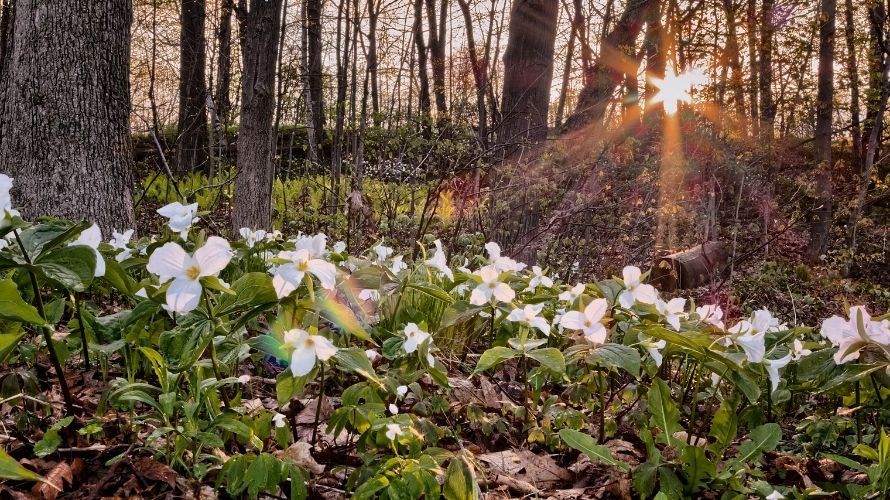
Trilliums require relatively undisturbed, shady forest to grow.
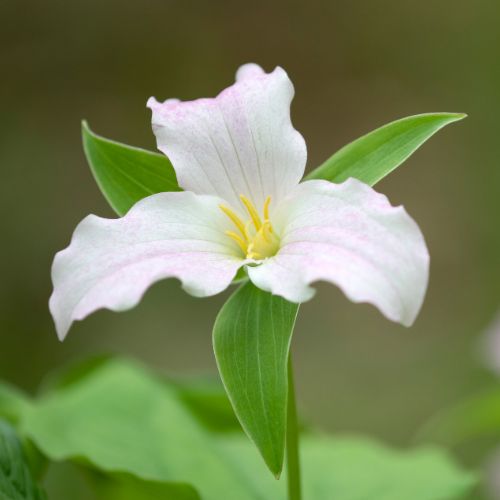
“The trillium is the state flower of Ohio and it’s projected to not even exist there in the future,” says Hager. “It’s the same species we have here in Ontario. Probably every Ontarian has seen the symbol of our provincial flower somewhere – it’s iconic. The trillium requires a relatively undisturbed, shady forest. When you think about the focus on development in Ontario, it’s not just the climate that’s changing – we are also losing habitat for these species to live. This study can be a springboard for people to think about what we are doing to protect our wild areas.”
The Laurier team hopes their study underscores the urgency of integrating climate change adaptation into conservation planning. They propose “forward-looking” protection strategies that account for projected habitat shifts. Culturally speaking, the researchers cite grassroots movements in Alabama, Georgia and Indiana that are emphasizing the cultural identity of native species to align with government efforts to maintain local ecosystems. Advocates are pushing to replace their current non-native state flowers with native alternatives.
“As a society, we have some hard decisions to make,” says Hager. “Doing nothing is a decision, but is that the decision we want to make? We hope to generate more interest in the effects of climate change so people can continue these conversations. There are all sorts of different inputs into decision-making. Conservation isn’t just about scientists – it includes all of us.”
Laurier co-authors highlight state flowers and insects that stood out to them during their research. The stories behind these at-risk species drive home what's at stake.
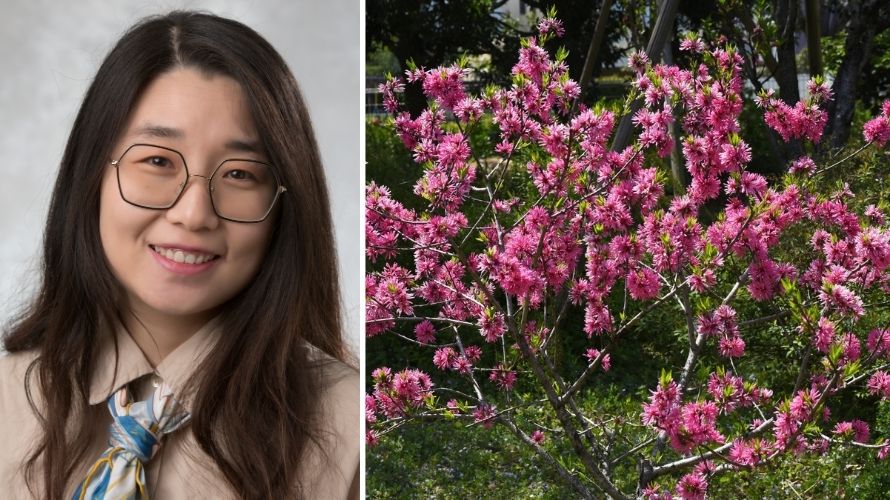
Xuezhen Ge: “The rhododendron was chosen as Washington’s state flower in 1893 through a vote that was only open to women, 17 years before women were legally allowed to vote in any official elections. It was an early, very rare example of women having a voice in public decisions, making this flower more than a plant. It represents women’s participation in history. And if, as we’ve projected, the rhododendron will have no suitable habitat anywhere in the United States by the 2080s, future generations may never know about this remarkable event.”
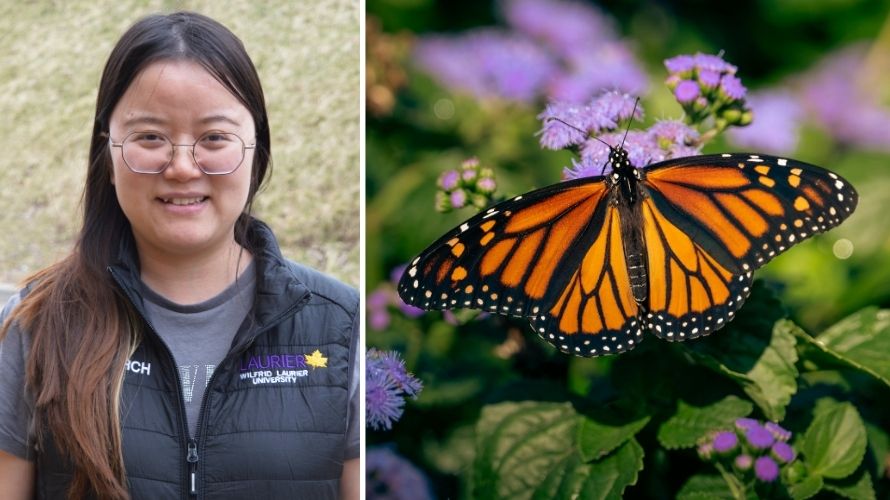
Ya Zou: “The monarch butterfly is designated as the state insect of seven U.S. states, and it’s widely recognized in many Indigenous cultures as a symbol of transformation, balance and renewal. Monarchs migrate long distances across North America, but our paper projects reduced habitat suitability in four designating states. For me, this shows that climate change will not only change the distribution of species, but also the relationships between people and nature.”
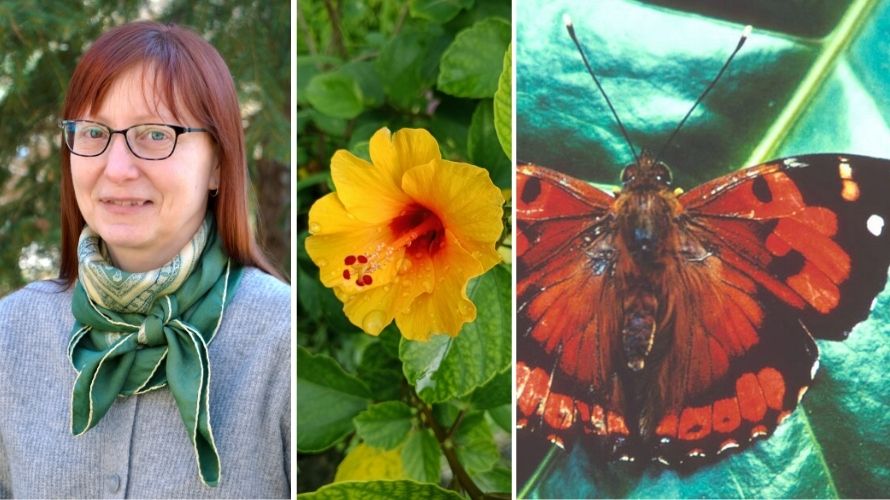
Heather Hager: “I keep thinking about two species that weren’t included in our study, the yellow hibiscus and the Kamehameha butterfly. They are Hawaii’s state flower and insect. Both species are endemic to those islands and have cultural significance. Hawaii is under a lot of pressure from introduced species and is losing a lot of native species – species that don’t live anywhere else in the world. Once they’re gone from Hawaii, they’re gone.”