


We use cookies on this site to enhance your experience.
By selecting “Accept” and continuing to use this website, you consent to the use of cookies.
The 2026 Summit for Creative Community Solutions will take place November 4-5, 2026, at the Best Western Hotel and Conference Centre in Brantford, Ontario.
Location: Gala Room
Location: Gala Room
Panel Chair: Anh Ngo
Round Table Moderator: James Popham
Panel Chair: Joshua Wall
Brenden Sheehan: Board Governance
Location: Gala Room
Panel Chair: James Popham
Shawna Reibling: Mobilizing Knowledge Effectively
Panel Chair: Amy Brandt
Ryan Huckle, Integrating Ethics into Work
Panel Chair: Avery Lemon
Panel Chair: Derek Bond
Location: Gala Room
Location: Gala Room
Location: Gala Room
Location: Gala Room
Facilitator: Carrie Sanders
Finding Solutions explores how findings from Bridging Divides: Voices and Visions about Homelessness in Midsize Cities and its documentary can become short, accessible resources that bring research into classrooms and community conversations.
Panel Chair: Johnny Kung
Location: Gala Room
Panel Chair: Stephanie Wall
Location: Gala Room
Jonathan A. Newman, PhD, FRES, FRSB, is Vice President: Research and Professor of Biology at Wilfrid Laurier University. An ecologist whose research focuses on plant–animal interactions, biological invasions, and climate change, he has authored more than 100 scientific publications. His monographs include Climate Change Biology (2011) and Defending Biodiversity: Environmental Science and Ethics (2017), and he has co-edited Grasslands and Climate Change (2019) and the Routledge Handbook of Grasslands (2026).
Before joining Laurier in 2019, he served as Dean of the College of Biological Science and Director of the School of Environmental Sciences at the University of Guelph. Earlier in his career, he held academic appointments at the University of Oxford and Southern Illinois University. He earned his PhD in Ecology, Evolution and Behavior from the State University of New York at Albany in 1990.
Amanda has practiced and promoted community-based approaches to research and evaluation within community, not-for-profit, and government spaces since completing her Master of Arts in Community Psychology in 2015. Amanda holds designation as a Credentialed Evaluator (CE) by the Canadian Evaluation Society and has specialized in applying participatory approaches to evaluating community-led mental health initiatives. In addition to serving as the Executive Director of Community-Based Research Canada, Amanda is an Adjunct Researcher within the Centre for Community, Health, & Social Impact at Lambton College, and Instructor for the University of Guelph's Certificate in Knowledge Mobilization, and a Sessional Lecturer in the University of Waterloo's School of Public Health Sciences.
Amanda has extensive experience in planning, conducting, and mobilizing the results of program evaluations and community-based research, as well as expertise in course design, course instruction, and workshop development and facilitation on topics including community-based research, program evaluation, and knowledge mobilization. Amanda promotes research as a tool for innovation that can advance social justice, equity, and community and individual wellbeing.
How do you build a research partnership where everyone is meaningfully engaged in designing the work? From Crisis to Collaboration, funded by Women and Gender Equality Canada, explores the wellbeing of staff in Ontario gender-based violence (GBV) organizations. Sustainable Livelihoods Canada, three GBV organizations, and the University of Guelph's Community Engaged Scholarship Institute (CESI) came together at the application stage. Since then, decisions have been shared through a steering committee that also includes evaluation and, more recently, communications partners.
We co-designed the research questions and approach. CESI students led the ethics submission, data collection, and analysis, with the committee involved throughout. Over 2.5 years, all partners have highlighted deep power sharing and engagement.
This session shares how our community-engaged research-practice partnership works: co-designing from day one, adapting when the ethics review timeline delayed data collection, and welcoming new partners mid-project. Participants will leave with practical ideas for partnerships where community organizations and universities share ownership from the first conversation.
Allison Prieur, CE, is the founder of DARE Impact Consulting and an evaluation associate with Sustainable Livelihoods Canada. She has spent almost 25 years in the nonprofit sector helping organizations use their data to change the world. She regularly partners with colleges and universities across Ontario, engaging in community-based research projects with student researchers and giving guest lectures to future practitioners. Allison is pursuing an Interdisciplinary PhD in Evaluation at Western Michigan University.
Laureen Owaga is a PhD candidate in Applied Social Psychology and International Development at the University of Guelph. She is passionate about gender justice and preventing violence against women. She has experience in advocacy, sexual assault prevention, research coordination and community-engaged research. Her doctoral research investigates the feasibility of adapting an evidence-based Canadian sexual assault resistance intervention, the EAAA, in Kenya.
This presentation explores the long-standing partnership between the Sexual Assault Centre Brant and Drs. Jennifer Root and Marcia Oliver by drawing from their most recent collaborative project, Taylor the Turtle: a violence prevention program engaging young children, parents, and service providers in conversations about body autonomy, boundaries, consent, and emotional literacy. Over the past year, we have formed a community-led research team to support the evaluation of Taylor the Turtle, placing practice-based knowledge at the center of the research process. Members from the team will 1) discuss the role of practitioners as researchers and knowledge producers, and 2) illustrate how community expertise shaped the research design and implementation of preliminary findings. We are keen to discuss how community and University researchers bring different expertise to the research design, and begin to dispel the notion that University researchers are the primary experts in community-university partnerships. Ultimately, we consider what becomes possible when community-university research is grounded in reciprocal expertise, community priorities, and practice-based knowledge.
Joanna Brant (she/her) is the Executive Director of the Sexual Assault Centre of Brant. In this role, Joanna has worked to end sexual violence and to support those recovering from its impacts for over 30 years. Her extensive experience allows her to develop in-depth analyses of gender, trauma, sexual violence, and oppression while working in a collaborative setting. During the last 25 years, she has had the privilege of both counselling and providing leadership at the Sexual Assault Centre of Brant, where the individuals she has encountered have helped her to understand resilience and the value of advocacy and trauma-informed, intersectional counselling.
Jezeth Esmas (she/her) is a Community Development Coordinator with the Sexual Assault Centre of Brant, and, Research Coordinator for Taylor the Turtle. She connects community members with tools and supports to help children (and adults!), learn about their body rights, express their feelings, and feel safe. Jezeth is passionate about building strong, caring networks where everyone can thrive.
Marcia Oliver (she/her) is an Associate Professor of Law and Society at Wilfrid Laurier University, and, a member of the Social Justice and Community Engagement Master’s program in the Faculty of Liberal Arts. Her program of research and community-engaged work focuses on gender-based violence, feminist theory, and social justice. Her longstanding commitment to community-engaged scholarship includes previous collaborative research with the Sexual Assault Centre of Brant, exploring survivor-centred approaches to sexual violence prevention and support. She is currently supporting research examining Taylor the Turtle, an early childhood sexual abuse prevention initiative.
Kasey Politano (she/her) is the Volunteer and Community Engagement Lead at the Sexual Assault Centre of Brant. She holds a Master of Arts degree from the Social Justice and Community Engagement program, Wilfrid Laurier’s University. She has spent over 13 years working to end sexual and gender-based violence across research, shelter, counselling, post-secondary, and community settings. Her practice is rooted in care, solidarity, and a commitment to survivor-led, intersectional work. Kasey first joined the Taylor the Turtle team as a Research Assistant before moving into her current role with SAC Brant.
Jenn Root (she/her) is an Associate Professor in the Faculty of Social Work, BSW program on the Brantford campus, and, a member of the Social Justice and Community Engagement Master’s program in the Faculty of Liberal Arts. Her approach to research and community work is rooted in principles of intersectional feminisms and anti-oppressive practices. Prior to joining Laurier and the Brantford/Brant communities in 2014, she worked as a social worker alongside various communities in southwestern Ontario and the Midwest US supporting anti-violence prevention and intervention work, primarily on issues related to women’s experiences of intimate partner violence, gender-based violence, and sexual violence. Over the past 12 years she’s been lucky enough to work alongside Joanna and the amazing folks at Sexual Assault Centre of Brant, and most recently, supporting research examining Taylor the Turtle, an early childhood sexual abuse prevention initiative.
The goal of this project is to create an educational app aiming to facilitate conversations between children and parents about Taylor the Turtle's teachings.
Taha Hayat & Rigma Wagley are 4th year BDes User Experience Design students working with the SAC Brant through the BioAdaptive Lab.
Moderator: James Popham
This roundtable will explore digital safety as a growing concern for community organizations and the people they support. Participants will discuss challenges related to online harms, public awareness, and the need for greater compassion in digital spaces. The discussion will identify opportunities for community education and collaboration while helping inform future community-engaged research.
The session will be led by James Popham, Associate Professor and Chair of Criminology at Wilfrid Laurier University, whose research focuses on cybercrime and online harms.
Youth CivicCorps (YCC) is CivicAction's civic engagement and leadership initiative mobilizing emerging changemakers aged 18-30 to tackle regional challenges across the Greater Toronto and Hamilton Area. Funded in part by the Government of Canada through Canada Service Corps, YCC establishes social infrastructure pairing civic service with workforce pathways and equity.
The program deploys cohorts of young Black, racialized, and newcomer leaders into 16-week community placements with vetted host organizations. Working in multidisciplinary teams led by trained peer leads, participants deliver strategic initiatives addressing housing affordability, food justice, and economic inclusion. To dismantle barriers, YCC provides barrier-removal stipends, 1-on-1 coaching, and mental health supports.
By uniting grassroots hosts, public institutions, and corporate champions, YCC models cross-sector collaboration while operating under CivicAction's standard of radical clarity, psychological safety, and collective accountability. YCC equips young leaders with social capital, policy insight, and experiential learning for lasting systemic change.
Shaneeza Nazseer Ally is Director of Youth CivicCorps at CivicAction, mobilizing cross-sector partners to build experiential learning opportunities for emerging leaders tackling pressing regional issues. A speaker, leadership coach and former Executive Director, Shaneeza advises funders and policymakers on interventions that advance social capital and economic mobility for equity-denied youth.
Fatima Muzzamal is the Administrative and Communications Coordinator at the Chamber of Commerce Brantford-Brant, where her work spans communications, policy research, and community engagement. She holds a Bachelor of Science in Biology from McMaster University, with a focus on environmental and public health policy, and is currently leading the Chamber’s research into the social and economic impact of post-secondary education in Brantford.
This presentation reports findings from a recent survey of municipal employees across Ontario. As street-level bureaucrats, municipal staff often function as the public face of local authority and therefore bear the brunt of public frustration tied to unpopular or controversial policy decisions (Lipsky, 1980). At the same time, sectoral shifts toward digital engagement, dynamic communications platforms, and legislated open government have increased employee visibility while eroding some of the institutional protections that once shielded staff from direct exposure, leaving many respondents feeling punished for simply doing their jobs. This study situates those experiences at the intersection of networked publics and context collapse (Boyd, 2010; Boyd, 2011), illuminating the persistent harassment environment now confronting municipal employees.
Lexee Giles is an Honours BA/MA Graduate in Criminology from WLU who is passionate about research, policing, and evidence-based research.
Dr. James Popham is a well-rounded researcher with academic and community experiences. His employment history includes roles as a knowledge mobilization officer, senior researcher, research coordinator, and lead investigator.
This workshop will introduce the fundamentals of board governance for Ontario non-profit organizations. Participants will learn about the roles and responsibilities of board members, including their legal obligations under Ontario’s Not-for-Profit Corporations Act (ONCA). The session will also explore practical approaches to board oversight and accountability, with an emphasis on supporting effective organizational governance.
Brendan Sheehan draws on his experience in philanthropy and organizational leadership, including his work with the Kitchener and Waterloo Community Foundation and as Board Chair of HopeSpring Cancer Support Centre, to help non-profits develop effective governance and accountability practices.
The Smart Citizens Enabling Resilient Neighbourhoods (SCERN) project is a community-university partnership exploring housing and health in Hamilton's Beasley neighbourhood. This presentation traces the full arc of the project, from a community-based research study centering resident voice, to a CIHR-funded knowledge translation phase designed to put findings into action. Working alongside a Community Advisory Board and a community-based consultant, the SCERN team developed three interconnected activities: the Hamilton SCERN Cards, a set of co-designed wallet cards connecting residents to local housing, health, and community resources; a facilitated provider session using the Kaizen framework to move from problem identification to collaborative action planning; and policy briefs carrying community and frontline expertise to decision-makers.This presentation reflects on what it takes to sustain a community-university partnership across the full research lifecycle, and what gets lost when knowledge translation is treated as an afterthought
Dr. Ketan Shankardass is a social epidemiologist and associate professor in the Department of Health Sciences at Wilfrid Laurier University, where he is the director of the Health Equity Systems Interventions lab. Dr. Shankardass’ focus areas include the use of intersectoral action by governments to address the social determinants of health; community-driven neighbourhood resilience planning; and public opinion on health and equity. Dr. Shankardass also works with Health Promotion Ontario to improve preventive health practice in the province.
There is a demonstrated need for culturally responsive, community-based mental health and wellness support for South Asian seniors and their caregivers.
Social isolation and loneliness among older adults are recognized community concerns. Social inclusion and reducing isolation continue to be important priorities for older adults. KCMWS aims to deliver workshops and educational sessions/seminars on understanding mental health, including dementia, emotional well-being as we age, loneliness, social isolation and their impact on health; recognizing signs of depression, anxiety and emotional distress; stress management and nervous system regulation; healthy aging and maintaining independence; caregiver stress, compassion fatigue and self-care. KCMWS also plans to organize activities that may include a senior community picnic, arts-based activities, cultural/community gatherings, music, games and other intergenerational or socially engaging activities. KCMWS is committed to providing individualized counselling and wellness support to seniors and their caregivers who identify emotional and adjustment-related concerns.
Sugam Basnet holds a Master of Social Work Degree from McMaster University and brings over 20+ years of experience working with vulnerable and marginalized populations across diverse communities. Her interdisciplinary expertise spans mental health practice, community engagement, trauma-informed care, and culturally responsive teaching. Sugam is an educator and mental health advocate.
This workshop will introduce practical approaches to sharing information and project findings with different audiences, including funders and community members. Participants will explore how to communicate their work effectively, with attention to how language and presentation influence understanding. Attendees are encouraged to bring a brief description or data from a current project to practise applying these approaches during the session.
Shawna Reibling holds a master’s degree in Communications and has over a decade of experience in the post-secondary sector. As Laurier’s former Knowledge Mobilization Officer, she supported researchers and community partnerships in developing communication strategies to share research findings with broader audiences.
This presentation describes the development of a youth-led student-faculty partnership strategy supporting the co-creation of mental health and wellbeing-friendly learning environments in postsecondary education. Situated within TeachWELL, a 5-phase initiative focused on student wellbeing, this presentation focuses on Phase 0, which emphasizes youth capacity-building and relationship development before exploration, co-creation, implementation, and knowledge sharing.
As Youth Lead, I will share the process of building a student-faculty partnership model that supports meaningful youth engagement through faculty outreach, relationship-building, team-building, mentorship, and ongoing support. Central to this work is the recognition that authentic youth engagement requires intentional infrastructure. Challenges include balancing varying youth commitments, skill building before action, and fostering a sense of community. In response to these challenges, Phase 0 emphasizes mentorship, transparency, and task readiness. This presentation offers practical lessons learned on youth leadership, capacity-building and sustaining meaningful student partnerships in educational change initiatives.
Kaye Canoy is a first-year Master of Education student at York University. She holds an Honours BA in Psychology and Linguistics and a Bachelor of Education (Primary-Junior). Her research focuses on student engagement, wellbeing, youth partnerships, and priority-setting in postsecondary education, informed by leadership and student support roles at York University.
In 2023, I developed and began facilitating my "Social Justice in a Social World" workshops for youth in the G.T.A. In partnership with East Scarborough Storefront and Biidaasige Manidamin P.S. in Pickering, Ontario, the workshops introduced participants to post-secondary learning through a guided research project. As part of the project, they identified a challenge within their school or broader community and developed ideas for addressing it. I met weekly with Grade 7 and 8 students at Biidaasiige Mandamin P.S., introducing sociological concepts such as the "sociological imagination" and "social location" alongside research methods, including surveys and questionnaires. The five-week program culminated in a visit to York University, where students toured academic departments, the university library, and the student centre. They also heard from the Chair of the Department of Sociology, as well as first- and second-year university students who shared advice and strategies for success in high school and post-secondary education. The tour was supported by York University's Vice-Provost, Students, and the York University - TD Community Engagement Centre.
Melissa P. McLetchie is a doctoral student at Ontario Tech University in Oshawa, ON. She also founded Neighbourhood Scholar, a non-profit organization that promotes post-secondary education for racialized and marginalized children and youth in East Scarborough and Durham Region. Co-presented with Khadijah Thompson.
Young people report that school-based sexuality education (SE) is rarely attentive to the needs of 2SLGBTQIA+ communities, and places too much focus on biology at the expense of topics like healthy relationships and pleasure. Young people are therefore seeking greater access to equitable and inclusive SE outside of their classrooms. Community-based SE is often the sole point of SE access that is attentive to the needs of young 2SLGBTQIA+ people. While community-based SE is an important resource for Canadian youth, the existing research tends to focus more on SE in schools than SE in the community. For these reasons, this project asked young people how to improve non-school based sources of sexual health and relationship information, like those provided by our community research partner organization, the Sexual Health Options, Resources & Education (SHORE) Centre. In this presentation, we will discuss how participatory methods can be used to augment community SE content and delivery methods, making them more responsive to the needs of equity-deserving youth who have often been marginalized or erased from school-based SE.
Moni Sadri (they/them) is a senior doctoral student in Community Psychology and Contract Teaching Professor in Health Sciences at Wilfrid Laurier University. Moni's research interests primarily focus on the promotion of health and well-being for various 2S/LGBTQ+ communities, including racialized SOGIE newcomers, transgender people accessing healthcare and employment, and youth seeking inclusive sexuality education. Most recently, Moni has begun working as a research assistant on the Investigation of the Community Risk Assessment Tool (I-CRAFT) project, seeking evidence-based data to support post-secondary staff working with survivors of gender based and sexualized violence. Their academic and professional work centres on the joy, stress, and overall well-being of equity-deserving groups.
Dr. Vanessa Oliver (she/her) is an Associate Professor in Youth and Children’s Studies at Wilfrid Laurier University. Her research prioritizes community-engaged participatory methods, the social determinants of health, and reproductive justice. Vanessa’s work engages diverse communities of young people in participatory conversations about sexuality, gender, and sexual health education. Throughout her career, she has worked with and for equity-deserving communities on many arts-based, community driven projects. Her most recent work collaborates with 2SLGBTQIA+ young people to envision affirming and inclusive sexuality education both in schools and in community.
This workshop will introduce practical approaches to research ethics for community organizations engaged in research or working with academic partners. Participants will explore how ethical considerations can be incorporated into project planning, including informed consent and the responsible management of research data. The session will also discuss how ethical review processes can be adapted to the scope of community-based research while maintaining accountability to participants and partners.
Ryan Huckle brings experience in research ethics and community-engaged research, including his previous work chairing the Community Research Ethics Office (CREO), a non-profit organization that supported community organizations in addressing ethical issues in research.
Planning to conduct research at the youth led Shaking the Movers conferences and the Students Commission of Canada's #CanadaWeWantConference, my PhD research aims at foregrounding youth activists' experiences through community partnerships. This expands on my master's research which was conducted through a community partnership at an Early Childhood Education Centre. Through observations and focus groups, this research aims to foreground children's voices and experiences to demonstrate new and alternative ways of engaging with the world that extend beyond adult directed plans and activities. This research is significant in its use of community partnerships to extend children's voices, while creating opportunities for adults to learn directly from young people's perspectives and recognize their diverse ways for engaging with the world. This presentation will first explore my master's research, looking at the experiences of young children, and move into discussions about the various ways I will engage youth to learn directly about their lived experiences, with a focus on exploring the various community needs the young people address.
Kylie Dennis received her Bachelor of Arts in Child and Youth Studies at Trent University Durham, where she developed an interest in children’s right to play. Kylie then decided to pursue graduate studies, completing her Master’s of Child and Youth Studies at Brock. Her SSHRC-funded research drew on a Bakhtian carnivalesque framework to study how preschool children’s activity embodies elements of unofficial classroom life, pointing to new possibilities for engaging the world. Now in her first year of her PhD in the Child and Youth Studies department at Brock University, under the supervision of Dr. Heather Ramey, Kylie is interested in studying youth activism.
In my master's thesis, I explored high school-aged youth's perceptions and experiences of cognitive engagement across school and extracurricular contexts. Youth were recruited through the Students Commission of Canada, a charitable organization with a broad network of youth program partners. Youth identified four conditions for cognitive engagement. Greater choice and control over what and how they learned, alongside opportunities to go beyond basic requirements, supported engagement in extracurricular contexts. Curiosity may also foster cognitive engagement, which involves the desire and effort to understand complex ideas and develop difficult skills (Du, 2026; Gorski, 2021; Wong et al., 2024). Curiosity supports learning and is associated with academic performance, development, and life satisfaction (Kidd & Hayden, 2015; Schutte & Malouff, 2023). Building on these findings, my dissertation will examine cognitive engagement among youth aged 16-18 across school and sport. Specifically, I will investigate how meaningful goals, choice, control, and curiosity foster engagement within and across contexts, how these experiences change over time, and their implications for youth sport.
Erika Savage is a former competitive swimmer, certified teacher, and Level 1 competitive coach pursuing a PhD in Child and Youth Studies at Brock University. With degrees in Education and Sports Psychology, her research explores cognitive engagement across school and sport, focusing on what fosters young people's engagement, curiosity, and enjoyment of learning.
Lonely Infrastructure is a practical framework for addressing social isolation in public spaces, events, workplaces, schools, and institutions. Many environments are physically complete yet socially unfinished: they provide occupancy but few easy invitations for strangers, neighbors, students, staff, or families to interact.
Drawing from Milwaukee Night Market, ART 64, social furniture, and Fojut Ventures' Human Infrastructure thesis, the presentation introduces the Science of Play: Invitation, Permission, Participation, and Repetition. These conditions create low-risk first moves that turn proximity into recognition and repeated participation into relationships.
The project offers a model community organizations and universities can test together. Students, researchers, municipalities, nonprofits, and local hosts can map connection points, prototype a playful intervention, observe participation, and measure repeat encounters. This visual presentation demonstrates the Ordinary Tuesday Test, shares real-world cases, and provides a method that can be adapted without a major capital project. The aim is to move from usable spaces to everyday conditions in which connection can happen.
Jeremy Fojut is Founder and President of Fojut Ventures and creator of Milwaukee Night Market and ART 64. His Human Infrastructure thesis and Science of Play framework help communities use participation, playful rituals, events, and social furniture to turn shared spaces into places where relationships form.
Greening Steeltown: Community, Identity, and Climate Change is an immersive multisensory ethnographic project examining the socio-environmental realities of Hamilton, Ontario ("Steeltown"). This research aims to address pressing health equity and climate challenges for those invested in environmental justice and industrial policy. Proposed governmental solutions often assume environmental and health disparities can be solved purely through top-down policy changes or corporate technical sustainability targets. This project critiques those assumptions, combining qualitative social science, sensory mapping, and community-based participatory action research to evaluate structural environmental violence. Rather than relying solely on traditional population-level datasets, this project employs multisensory ethnography, tracking the lived, felt experiences of noise, air quality, and visual landscapes, to capture the deep tensions between labor identity, systemic health and environmental disparities, and institutional transition timelines. By employing an interdisciplinary framework this project bridges quantitative environmental metrics with localized, human-centered community advocacy.
Martha Cassidy-Neumiller is a Sociocultural and Environmental Anthropologist, Doctoral Candidate at McMaster University, and community connector. She is a Doctoral Fellow with UNU-CRIS in the Nature, Climate, and Health Cluster, collaborator with “What’s the Grime? 2.0” and an instructor in Health Sciences teaching courses on One Health and community and climate change. Her current research focuses on the impact of Hamilton’s steel industry on community environmental and health equity, alongside how the city’s industrial legacy has shaped the “Steeltown” identity and affects the social and cultural responses to climate action. She conducts multi-sensorial ethnography, combining traditional ethnographic methods alongside community-based sensory mapping to elucidate the lived experiences of those who work and live in Hamilton’s environmental sacrifice zone.
This project explores how human-centred design can strengthen member engagement within the Downtown Brantford Business Improvement Area (DBBIA) through a community-university partnership with Wilfrid Laurier University's MSc User Experience Design students. While the DBBIA offers various programs, services, and participation opportunities, downtown businesses may face challenges understanding available resources, getting involved, communicating their needs, and seeing how their feedback is addressed. Through preliminary stakeholder research and benchmarking of comparable Ontario BIAs, our team has identified opportunities to improve member onboarding, communication, participation, collaboration, and feedback transparency.
This presentation will share our ongoing research, emerging insights, and design direction, highlighting how university students and local organizations can work together to address community challenges. By improving connections between the BIA and its business members, the project aims to support a more engaged, collaborative, and connected downtown Brantford community.
Sean Liu is a Master of Science student in User Experience Design at Wilfrid Laurier University, with an undergraduate background in Computer Science and interdisciplinary sciences from the University of British Columbia. His interests lie in human-centred design and developing intuitive, practical solutions to complex real-world challenges. As part of a student research team collaborating with the Downtown Brantford Business Improvement Area, he explores how UX research and community collaboration can strengthen local business engagement and connections.
Public-sector institutions face a difficult question: how can they sustain meaningful diversity, equity, and inclusion (DEI) work when resources are constrained, public debate is polarized, and communities are asking for change they can see and feel? Drawing on DEI Undone: The Rise, Fall, and Rebirth of Diversity, Equity, and Inclusion (2026 book published- see https://deiundone.com/), this presentation examines why well-intentioned DEI initiatives can become checklists, short-lived projects, or exercises in institutional reputation management. Strategies are discussed to shift from symbolic and performative DEI to transformative justice-oriented culture.
Participants will consider practical challenges in education, municipal government, and community services, including whose knowledge shapes decisions, how institutions respond to criticism, and what accountability looks like beyond participation counts and policy statements. Through a brief scenario and guided discussion, community members, public-sector practitioners, students, and researchers will identify ways to share decision-making power, support frontline staff, and assess whether initiatives improve people's experiences.
Dr. Ardavan Eizadirad is a Canada Research Chair in Innovation and Inclusion in Education for Thriving School-Community Ecosystems and an Associate Professor in the Faculty of Education at Wilfrid Laurier University. He was formerly the Executive Director of non-profit organization Youth Association for Academics, Athletics, and Character Education (2022 to 2025) in the Jane and Finch community in Toronto and a former member of the Race and Identity-Based Data Collection Community Advisory Panel with the Toronto Police Service (2021-2023). Dr. Eizadirad is the author of Decolonizing Educational Assessment: Ontario Elementary Students and the EQAO (2019), co-author of DEI Undone: The Rise, Fall, and Rebirth of Diversity, Equity, and Inclusion (2026 with Dr. Sabreena Ghaffar-Siddiqui), and co-editor of 7 books including: The International Handbook of Anti-Discriminatory Education (2025) and Research as Activism in Education: Community-Oriented Perspectives (2026 with Drs. Emin Kilinc & Jennifer Straub). Dr. Eizadirad is also the founder and Director of EDIcation Consulting (www.EDIcation.org) offering equity, diversity, and inclusion training, audits, and capacity-building sessions to organizations, corporations, and schools to thrive and achieve to their full potential.
Food Futures Waterloo Region is a participatory, community-based initiative focused on building a more equitable, sustainable, and resilient regional food system. Grounded in food sovereignty, the project brings together researchers, community organizations, Indigenous partners, educators, farmers, policymakers, and other actors to work towards positive change in the region. Through partnership building, research, community engagement, and knowledge sharing, Food Futures WR supports locally driven food system projects and helps to build a collaborative network. The project is finishing up a SSHRC Partnership Engage Grant this Fall and has applied for Partnership Grant to hopefully continue this work.
Dr. Laine Young is an Assistant Professor at Wilfrid Laurier University in the Geography & Environmental Studies program. Her research focuses on food sovereignty, local food systems, urban agriculture, podcasts as methodology, and intersectional feminist research methodology. She teaches classes on urban geography, climate change, health, food and culture, and sustainability. Laine is a Research Associate with the Laurier Centre for Sustainable Food Systems and the Producer and co-Host of the podcast, “Handpicked: Stories from the Field”.
Dr. Andrew Spring is the Canada Research Chair in Northern Sustainable Food Systems, and Assistant Professor in the Department of Geography and Environmental Studies at Wilfrid Laurier University. He is also the Director of the Laurier Centre for Sustainable Food Systems and Director of Research for the UNESCO Chair in Food, Biodiversity and Sustainability Studies. He has established an extensive research program with Indigenous communities and government partners in the NWT and has been able to build a large and diverse network of communities, local and regional Indigenous governments, territorial and federal government agencies, and academic researchers across the social, health, and natural sciences to address issues of climate change, sustainability, and food security.
Jie-Soo Park is a second year MA student from Waterloo, Ontario. Jie-Soo graduated with honours from Wilfrid Laurier University in 2024 with a BA in Political Science and a minor in Sociology. Her research interests are food insecurity and establishing sustainable food systems through community consultation and systems analysis. Her interests build on her work in the non-profit sector serving food insecure populations in the Region.
This workshop will introduce a continuing education program designed to provide accessible, practical training for community-serving organizations. Participants will review a grant writing course, including its syllabus and intended learning outcomes. The session will also introduce a complementary course on report writing available through Laurier's FHSS Centre for Professional Development. A facilitated roundtable discussion will invite participants to identify additional training needs and explore how low-cost, accessible continuing education opportunities can better support staff and volunteers in the community sector.
Elyse is the Manager of Continuing Education for the Faculty of Human and Social Sciences and has been a valued member of Continuing Education at Laurier for the past nine years, playing a key role in the growth and success of the Centre for Public Safety and Well-Being and the FHSS Centre for Professional Development. She contributed to the development and launch of several impactful programs, including the Mental Health Crisis Response Education and Applied Training program and the Police Supervisor Certificate program, along with a range of other continuing education initiatives.
Elyse brings over 12 years of experience in public safety, having worked with the Ministry of the Attorney General in both the Crown Attorney’s Office and courts. Her combined expertise in justice and continuing education supports her strong commitment to professional learning and community well-being.
It is well documented that African, Caribbean, and Black-identifying (ACBi) students are often discouraged by the lack of representation within the education system, which can contribute to a sense of disconnection from post-secondary institutions. The WRDSB's Black Brilliance Elementary Conference at Laurier seeks to disrupt this pattern by introducing students to higher education environments at an early age, where they can see themselves represented and begin to imagine themselves as belonging in an academic space. Moreover, as a community-university partnership, the initiative demonstrates how focused projects can lead to bigger possibilities. This presentation examines three ways in which preparing for the conference builds relationships that grow into a broader ecosystem of connection, collaboration, and possibility.
As the former Director of the Tshepo Institute, a university-wide research unit, Dr. Karen Cyrus partnered with the Waterloo Region District School Board (WRDSB) to organize the Black Brilliance Elementary Conference over the past three years (2023-2026). The initiative brought together faculty, staff, and students from across Laurier alongside school-board and community partners. Dr. Cyrus will draw on this experience to discuss the role of relationships in mobilizing university research ecosystems and sustaining university-community partnerships. She is an ethnomusicologist and Assistant Professor in the Faculty of Music at Wilfrid Laurier University.
Our project explores the application of music to wound care in long-term care (LTC) homes across the Greater Toronto Area, analyzing the effects of its use during treatment of pressure wounds. We collaborate with community members including Room 217, a Canadian health-arts charitable organization, Kindera Living, an operator of LTC homes, and McMaster University. With support from Kindera Living, our project improves quality of life related to wound care procedures for residents with a non-pharmacological intervention. Using a non-randomized, pragmatic design, we collect data representative of real-world effects of music on residents' and caregivers' experience of wound care. This project is in the implementation phase, with 16 residents across 11 LTC homes enrolled. We found a median wound area reduction of ~27% by the latest assessment of music-group wounds. Caregivers observed positive effects of music on residents' mood during wound care and reported interest in using music in their regular practice. This partnership allows for the creative exploration of music for residents with pressure injuries, giving us the opportunity to witness the impacts in real time.
Eileen Lin is a third year Honours Health Sciences student at McMaster University, where she is doing a research project course with a team of professors, community organizations and fellow students on the use of personalized music in wound care for older adults living with pressure injuries. With a strong interest in community-based research and the intersection of music and health care, Eileen is passionate about exploring how research can identify community needs and inform meaningful decisions to improve quality of life. At the Summit for Creative Community Solutions, she looks forward to sharing her work and learning from others building change through community collaboration.
Nouf Hamoudi is a third year Honours Health Sciences student at McMaster University, where she is working on a research project course exploring the use of music in wound care alongside a team of other students and researchers. With a strong interest in creativity/music-based research and community work, Nouf is passionate in exploring the ways in which the arts can be used to improve the delivery of care to various populations. At the Summit for Creative Community Solutions, she looks forward to sharing her work and learning from fellow passionate researchers.
Jia Lu is a fourth year Honours Health Sciences student at McMaster University, where she is completing her undergraduate thesis on the use of personalized music during wound care for older adults living with pressure injuries. With a strong interest in community-based research and person-centred care, Jia is passionate about exploring how research can address community needs and inform meaningful improvements in quality of life. At the Summit for Creative Community Solutions, she looks forward to sharing her work and learning from others building change through collaboration.
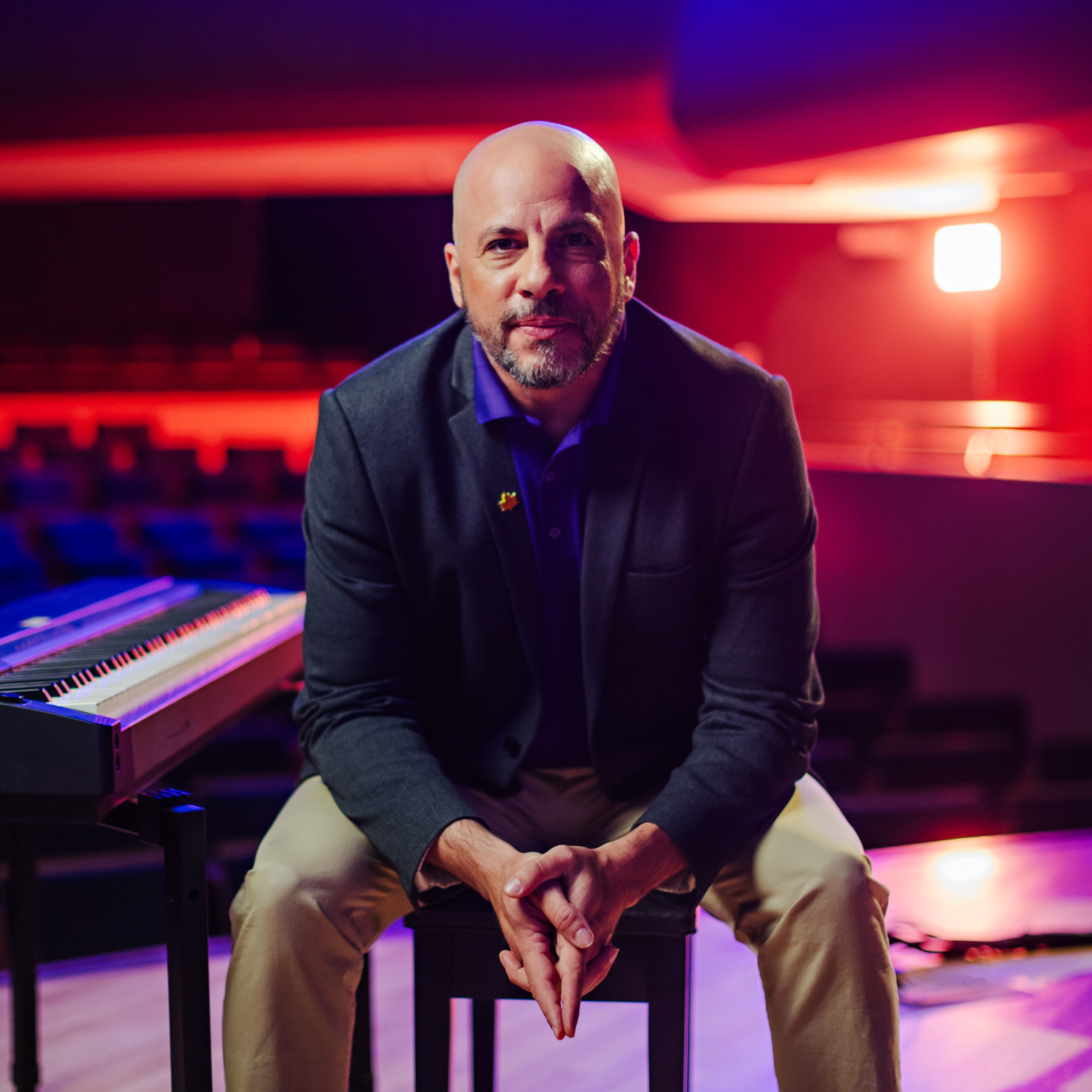
Demian Kogutek is a guitarist and music therapist originally from Buenos Aires, Argentina. Classically trained at the Juan José Castro Conservatory, he specializes in Argentine folk traditions—including zamba, chacarera, and tango/milonga—and brings these styles into both performance and clinical improvisation. He is an Assistant Professor of Music Therapy at Wilfrid Laurier University, where his work explores the therapeutic use of music for neurological conditions.
Have an idea that could make a difference in your community? This interactive workshop introduces the fundamentals of community development and explores how communities create change from the ground up, offering a clear pathway for turning ideas into meaningful projects, partnerships, and positive local action.

Lisa Costa is a local contemporary folk songwriter. She is a graduate of Seneca Polytechnic in Toronto where she studied both ‘Songwriting & Performance’ and ‘Music Production.’ She has released two country-folk songs independently and she is currently recording her first album. Lisa is a co-creator of the twice-monthly Open Mic at The Dog-eared Cafe in Paris and she performs locally.
Demian Kogutek is a guitarist and music therapist originally from Buenos Aires, Argentina. Classically trained at the Juan José Castro Conservatory, he specializes in Argentine folk traditions—including zamba, chacarera, and tango/milonga—and brings these styles into both performance and clinical improvisation. He is an Assistant Professor of Music Therapy at Wilfrid Laurier University, where his work explores the therapeutic use of music for neurological conditions.
Babatunde Joseph Abioye is a public health professional, community health advocate, and civil society leader focused on HIV, TB, hepatitis B, antimicrobial resistance, and health systems strengthening. Through community-led programming, advocacy, research, and partnerships, he works to improve health equity, disease prevention, community accountability, and access to quality healthcare in Nigeria.
This project presents findings from a targeted school-based hepatitis B screening and linkage-to-care intervention implemented among students of a tertiary institution in Osun State, Nigeria, during World Liver Day 2026. The intervention addressed gaps in hepatitis B awareness, risk perception, and access to screening among young adults. Activities included institutional advocacy and stakeholder engagement, health education, risk communication, pre-test counselling, voluntary HBsAg screening using rapid diagnostic test kits, post-test counselling, and referral for confirmatory testing and clinical management. A total of 180 students participated, comprising 75 males (41.7%) and 105 females (58.3%). Seven students tested positive for HBsAg, representing a positivity rate of 3.9%. Five positive cases were female and two were male. Importantly, all students who tested positive received post-test counselling and were referred to designated healthcare facilities, achieving a 100% linkage-to-care referral rate. The findings demonstrate the value of tertiary institutions as strategic platforms for reaching young adults with hepatitis B services.
Lilian Barraclough is a PhD candidate in Social Practice and Transformational Change at the University of Guelph. Her work focuses on exploring the role of queer ecologies in contributing to different understandings and approaches to the climate crisis. She works in partnership with artistic collaboratives explore these questions.
This project was a collaborative partnership between the Throbbing Rose Artist Collective, and myself as the researcher. We worked together to organize an artist residency focused on queer ecological thought and co-developed interview guides, and a collaborative arts-based workshop. As a full participant in the artist residency, I navigated embedded relationships with the community members and artists, which led to unique insights.
Nealob Kakar (she/her) is a Queer Afghan University of Guelph Social Practice and Transformational Change PhD Candidate, community-based researcher, storyteller, and maker! She is deeply moved by art for social change, daydreaming, and abolitionist worldbuilding. Nealob is interested in the ways QTBIPOC Survivors artfully rethink difference and radically re-imagine transformative futures of care.
When larger social systems fail to provide adequate access to support, racialized, 2SLGBTQ+, and Survivor communities' communities often left to the margins have a long history of building community-based care networks in response. Drawing on a critical community engaged research-creation study exploring the ways Queer, Transgender, Black, Indigenous, People of Colour (QTBIPOC) who are Survivors of Sexual and/or Gender Based Violence (GBV) across Ontario practice care, this study invites us to reorient towards artful and speculative dreaming. In partnership with WomenatthecentrE, a Toronto GBV organization, this qualitative study involved an engaged scoping review, 17 semi-structured interviews, and an arts-based workshop. The study foregrounds zine-making as a feminist pedagogical tool and design fiction as an abolitionist method to conjure pathways that imagine alternatives to current realities. This research highlights the ways that arts-based methods create a space and site of engagement that values and centres the non-normative to articulate more embodied and affective experiences, acting as a catalyst for transformative community-based research.