Ann Marie Beals - Assistant Professor, Department of Psychology
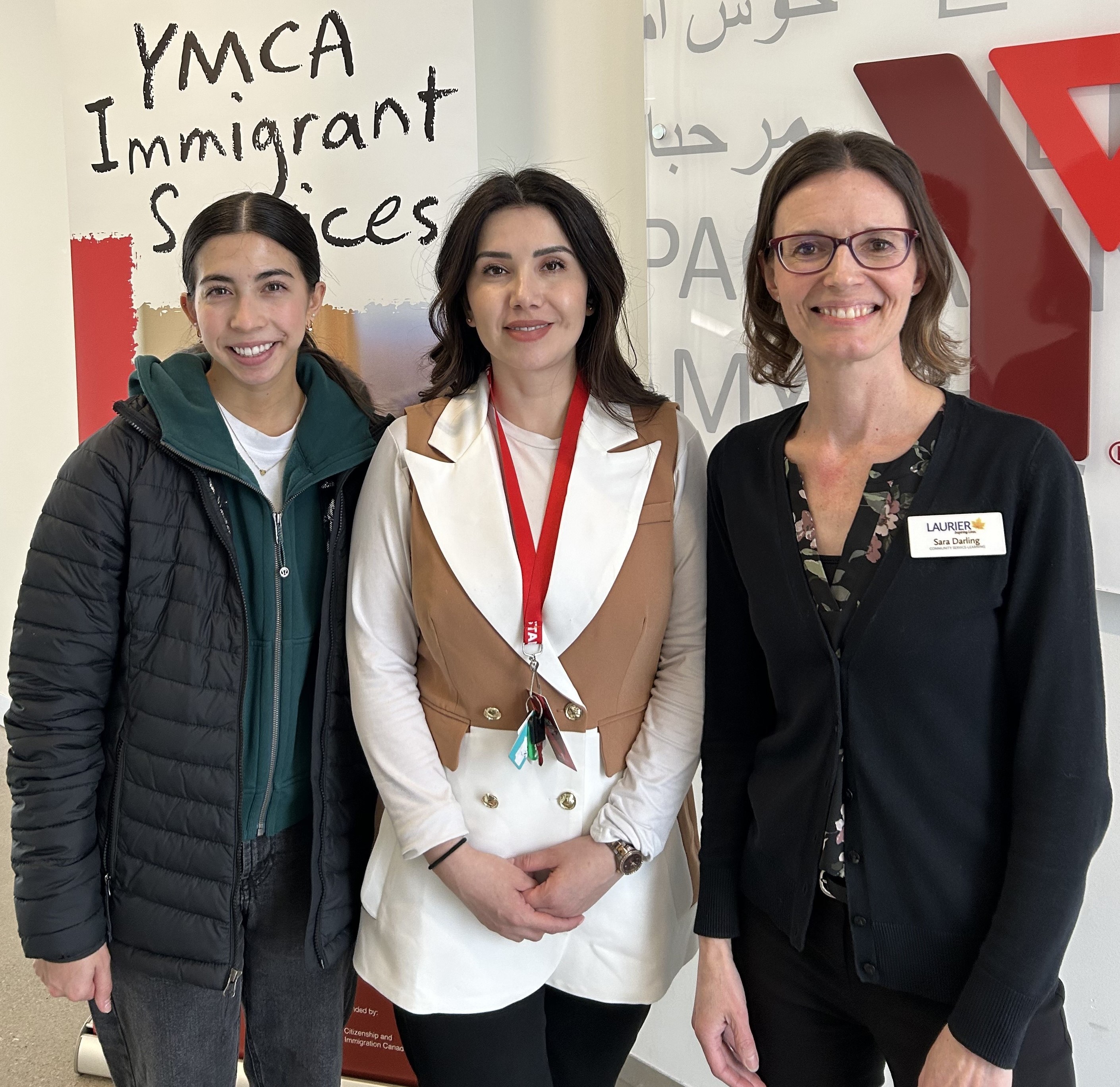
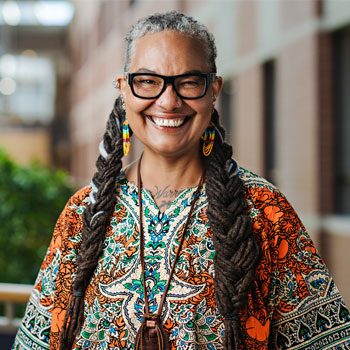
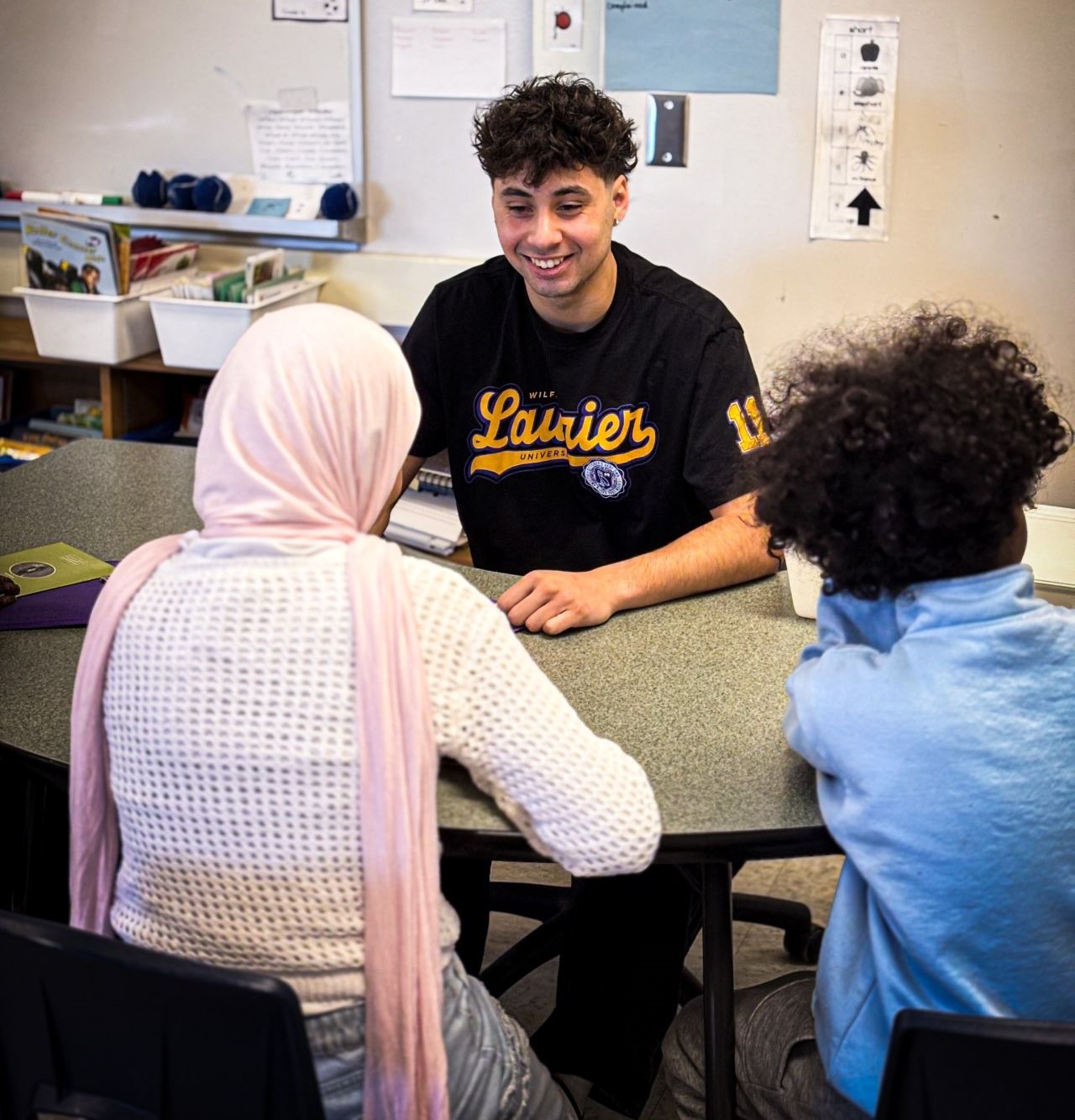
One of the most rewarding aspects of teaching a Community Service-Learning (CSL) course is watching students move beyond learning about communities to learning with communities. While my classroom provides the theoretical foundations of Community Psychology, it is through community placements that students begin to understand what those theories look like in practice. They witness both the strengths and the complexities of communities, and often come to appreciate that meaningful social change is rooted in relationships, humility, and collaboration rather than expertise alone. Structured reflections and facilitated sessions encourage students to connect their lived experiences in placement with course concepts, supporting critical thinking and personal growth.
As an instructor, working alongside community partners always reminds me that some of the most important learning happens outside the university. Our community partners bring knowledge, lived experience, and practical expertise that cannot be replicated in a lecture. Through their knowledge, lived experience, and everyday practice, they challenge students to think more critically about issues such as wellbeing, equity, justice, relationality, and community change. Rather than positioning the university as the sole producer of knowledge, CSL creates opportunities for experiential learning grounded in reciprocity, where students, instructors, and community organizations all contribute to and benefit from the educational experience. These partnerships remind students that expertise is not confined to universities. Community members and people with lived experience are educators in their own right, offering forms of knowledge that deepen, challenge, and enrich what is learned in the classroom.
Every year I teach a CSL course, I am reminded that it is about much more than completing placement hours. It is encouraging to see students question their assumptions, broaden their perspectives, and discover new ways of engaging with others. By learning with community partners, students begin to recognize the importance of listening, respecting different ways of being, knowing, and living, and understanding that meaningful change is built through relationships rather than assumptions. These experiences help prepare students not only for their future professions, but also for their roles as thoughtful, caring, and engaged members of their communities. Their growth reinforces the value of community-engaged education and the importance of building strong, reciprocal partnerships between universities and the communities they serve.
Michael Haughton - Professor; CN Fellow in Supply Chain Management
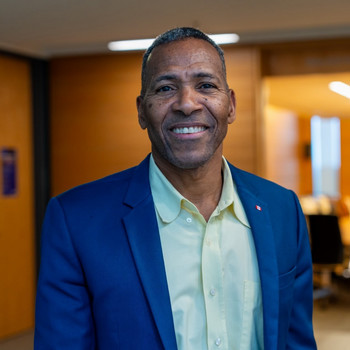
Experiential Learning is an important part of how I teach Transportation & Facilities Management (BU455). While students gain a strong foundation in transportation planning, logistics analysis, facility design, and supply chain decision-making in the classroom, there is no substitute for applying those concepts to a real organizational challenge. Through practicum projects, student teams work directly with partner organizations to analyze problems, develop recommendations, and communicate their findings through professional deliverables and presentations.
The benefits for students are substantial. Over a twelve-week term, teams apply the analytical, financial, operational, and problem-solving skills they have developed throughout their business degree to an authentic business situation. They learn how to work with imperfect information, balance competing priorities, engage with stakeholders, and translate technical analyses into actionable recommendations. These experiences help students bridge the gap between academic learning and professional practice while building confidence in their ability to contribute meaningfully to organizations.
The Winter 2026 partnership with Grand River Modular (https://grandrivermodular.com/) was particularly memorable. Students were tasked with designing a transportation plan for this Indigenous-owned modular homes to deliver accessible dwelling units from its plants in Southwestern Ontario to Indigenous communities in Northern Ontario and Manitoba. Unlike many of the course's practicum projects that focus primarily on cost reduction, efficiency gains, or profitability, this project was connected to a broader social purpose: helping address housing challenges faced by Indigenous communities. That dimension added a level of meaning that resonated deeply with both the students and me as an instructor.
What made the experience especially impactful was a conversation I had with the partner organization at the outset of the project. When I asked what success would look like from their perspective, I expected the answer to focus on operational improvements or recommendations for refining their transportation plans. While those outcomes certainly mattered, their primary response was that they hoped the project would deepen students' understanding of the societal challenges to which their education and business knowledge could be applied. I found that perspective both refreshing and profound. It emphasized that the value of experiential learning extends beyond solving business problems; it can also help students appreciate how supply chain and transportation decisions affect people's lives and communities.
Working with external partners continually enriches my own teaching. These collaborations give my students and me insights into emerging challenges, new perspectives, and real-world complexities that cannot be fully replicated in a classroom setting. This project, in particular, reminded me that transportation and supply chain management are ultimately about serving people. The experience reinforced the importance of preparing students not only to be capable business professionals, but also thoughtful contributors who can apply their skills to challenges that matter to society.
I am grateful to Community & Workplace Partnerships and our industry partner for helping create an experience that was both educational and meaningful. The project demonstrated the tremendous potential of experiential learning to advance student development while contributing to organizations and communities in tangible ways.