By Ben Ohayon, third-year BBA student
Sept. 8, 2026
When I started my summer co-op work term at Wilfrid Laurier University, the term “growth” was something I expected to see in a performance review, not my local garden plot. I was looking for ways to make the most of my summer and becoming a member of the Northdale Community Garden has been such a wonderful opportunity, whether through making new friends or learning more about hobby gardening.
Since 2015, the Northdale Community Garden has been a hub for collaboration between Laurier and local community members. The 14,000-square-foot community garden is a vibrant, multi-purpose space that supports food security and sovereignty, experiential learning, mental and physical wellness, biodiversity, naturalization, and community connection.
The garden includes 40 individual plots designated for Laurier students, staff and faculty, as well as more than 20 plots allocated to local families in coordination with KW Urban Harvester and the Laurier Students’ Public Interest Research Group. The garden also features the Indigenous Student Centre’s Food Sovereignty and Medicine Garden, which includes a three sisters patch, Indigenous medicines, and a variety of pantry staples used in the Indigenous Student Centre.
Other features include a pollinator garden and spiral with over 35 species of native plants and flowers, and an edible orchard growing varieties of apples, pears, cherries, serviceberry and peaches.
Getting started at the Northdale Community Garden was an easy and welcoming process. On the first day of the season, my fellow gardeners and I were offered soil, seedlings and gardening equipment to set up our plots. Having these resources available made getting started simple. There were plenty of plants to choose from, some of which have been my best performers to date!
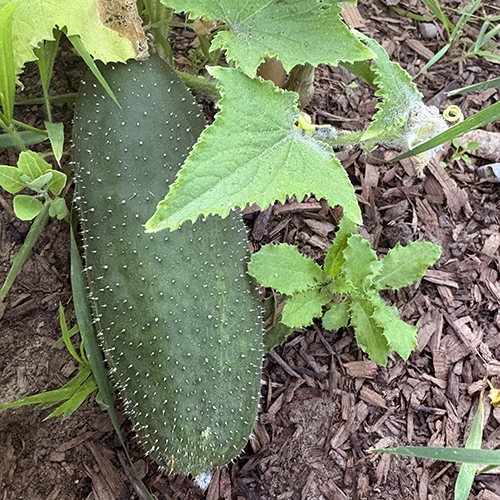
When planning which crops I wanted to grow this summer, my focus was incorporating as much variety as possible. Speaking with other gardeners gave me valuable insight into what would succeed best in my plot, and I walked away with plenty of tips and tricks. I also had the opportunity to practice growing more difficult crops, including cucumbers and cauliflower, both of which I hadn’t planted before.
There’s a lot of nuance in gardening and it’s important to consider watering and sunlight needs, complementary crops, natural pest repellents and weather resiliency. So much of what I’ve learned this summer has set me up to create successful gardens for many years to come.
Quick Tip: When deciding what to plant, pick crops that mature at different points of the summer to ensure there’s always something ready to harvest.
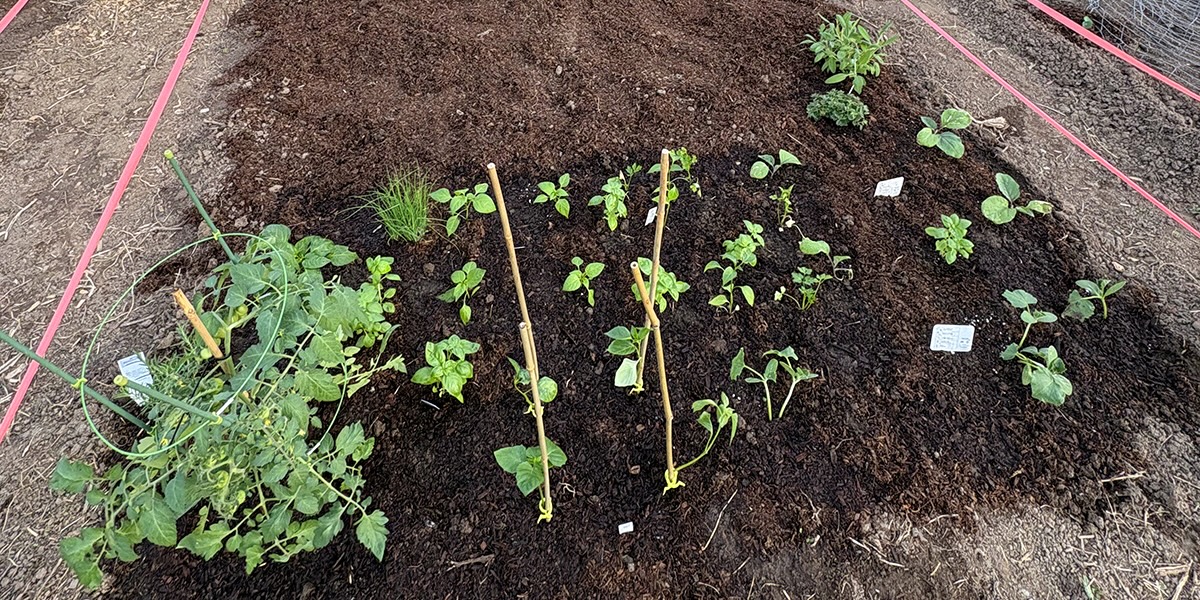
Once I started planting, I began to realize how much potential the garden had. My first round of plants did well, but empty space seemed a challenge to me, so I decided to fill up more of my plot with new plants. I visited a few local nurseries that had end-of-season inventory remaining, which helped add variety to my already vibrant garden.
I started to develop an effective routine for maintaining my garden. Tasks like weeding and watering can feel time consuming, but it’s so important to be consistent. During an extremely busy co-op work term, I had to be intentional about when I’d visit the garden for maintenance.
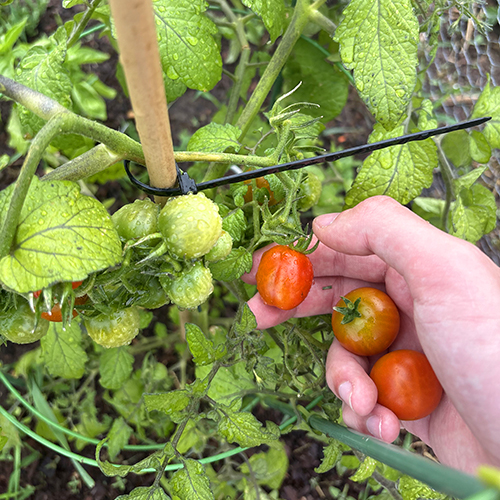
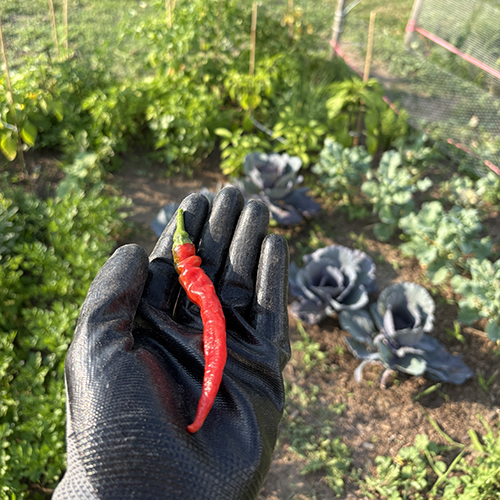
The hard work pays off though! It was so exciting to finally start harvesting produce. Seeing progress in a short amount of time made the tedious routine worth it, especially when I could show off the actual fruits of my labour.
Quick Tip: Buy your seedlings early in the season. Garden centres and nurseries don’t keep as much stock later in the summer.
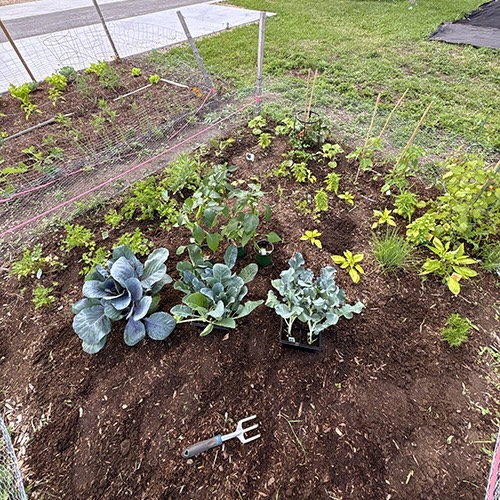
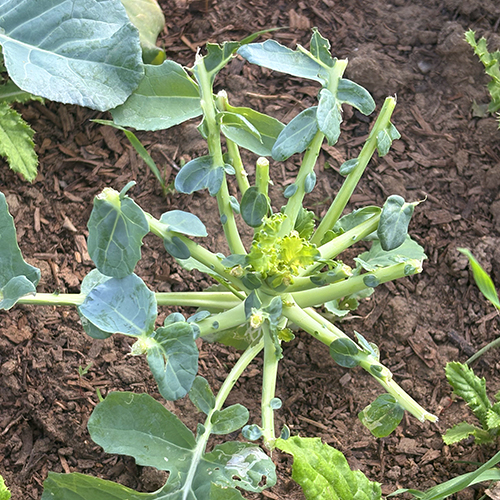
Halfway through the summer, tragedy struck when my garden plot was raided by local wildlife. Rabbits are known to roam the area, and it seems they were particularly interested in the leaves of my freshly planted cauliflower.
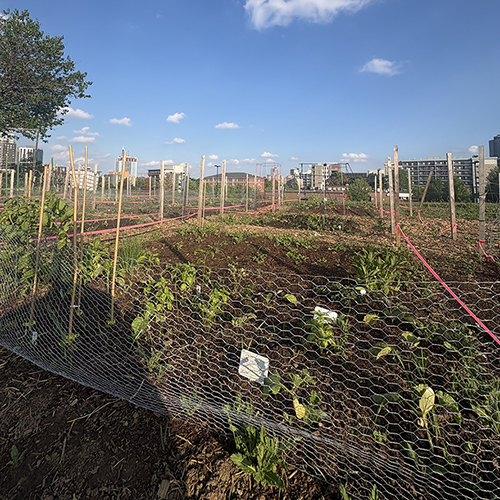
I quickly learned that I would need to take precautions and fence in my garden. Staying consistent and being willing to adapt was my secret to success throughout the summer. Although the cauliflower never really recovered, I managed to protect my other plants during the growing season.
Quick Tip: Put up tall and secure fencing using chicken wire to prevent unwanted visitors from exploring your garden.
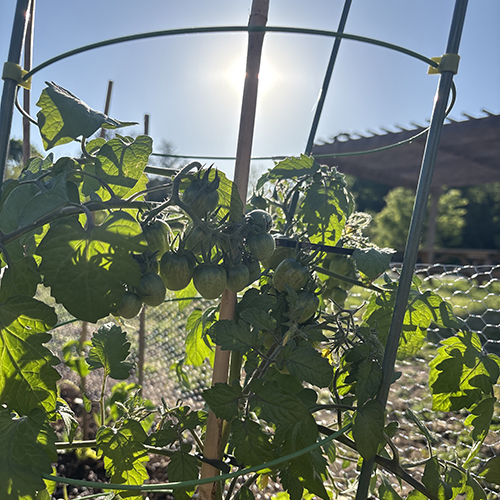
As the gardening season begins to wind down, it’s nice to look back and think about how hard work and consistency have paid off with tangible results. In particular, my eggplants and cucumbers have finally finished growing after a summer of patience (and over-watering).
The garden has been producing so well that I’ve had to start giving away my parsley and other herbs to friends. I’ve also enjoyed cooking some delicious meals at home, and the difference in quality with home-grown produce is astounding. Be sure to try out some new recipes if you take up the hobby.
The Northdale Community Garden is an amazing outlet for students and community members to learn and grow together. I highly recommend checking it out and gaining firsthand experience with what it has to offer.
This initiative offers something interesting for everyone, and I’m grateful for the positive impact it’s had on my time here at Laurier.


Laurier community members looking to get involved at the Northdale Community Garden for next growing season can sign up for a plot in spring 2027. Look for details in the Sustainability section on students.wlu.ca and on the Sustainability Office’s Instagram page (@LaurierGreen). Plots are free of charge and gardeners are provided with communal tools, an array of seeds, seedlings, additional soil and mulch.