

We use cookies on this site to enhance your experience.
By selecting “Accept” and continuing to use this website, you consent to the use of cookies.
Research at the Wilfrid Laurier Group Dynamics in Physical Activity Laboratory is currently aimed at enhancing our understanding of group and social influences on cognitive, behavioural, and affective factors related to physical activity in group contexts.
Our specific objectives are to understand:
Current and previous work focuses on further understanding group dynamics in sport. Projects focus on how member characteristics contribute to team functioning, the importance of group structure (e.g., role involvement), and how emergent states (e.g., cohesion) and team processes (e.g., socialization, communication) influence team and individual outcomes.
"Athlete perceptions of coach humility and group cohesion"
(Anthony Griffo, Ph.D student)
"Experiences of mixed-gender dyads among Canadian and South Korean athletes"
(Joohee Jin, Master's student)
"Recruitment and retention of basketball coaches and officials"
(Jackson Kelly, Ph.D student)
"Competitive and cooperative group processes in individual sport environments"
(Seth Papineau, Ph.D student)
"Group dynamics in competitive and recreational Masters sport contexts"
(Zakry Walsh, Ph.D student)
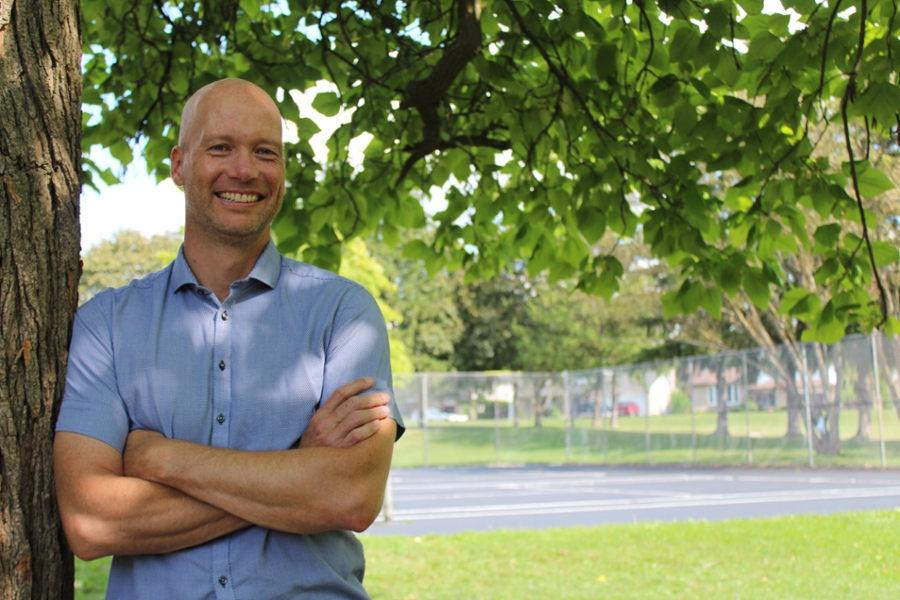
Mark Eys (Ph.D.) is a Professor in the Departments of Kinesiology/Physical Education and Psychology at Wilfrid Laurier University, a Laurier Research Chair in Group Dynamics and Physical Activity, and a former Canada Research Chair (Tier II). He received his undergraduate degree from the University of Waterloo and his Master’s and Ph.D from The University of Western Ontario. From 2004-2009, he was a faculty member in the School of Human Kinetics at Laurentian University.
His current research interests include role commitment/acceptance in sport, the measurement and correlates of cohesion, and the application of group dynamics across contexts (sport, exercise, organizations). Research related to cohesion in youth physical activity groups was supported by a 3 year standard research grant from the Social Sciences and Humanities Research Council (SSHRC; 2005-2008) and continued with support through Ontario’s Ministry of Research and Innovation Early Researcher Award program (2007-2012). Funding from SSHRC also supported work related to understanding athlete perceptions of role commitment and acceptance (2013-2017) and on the physical activity and social integration of New Canadians via a Partnership Development Grant (SSHRC 2019-2022) in collaboration with Laurentian University, Focus for Ethnic Women, KW Multicultural Centre, City of Kitchener, Region of Waterloo Public Health, and the Sun Life Financial Centre for Physically Active Communities. Current funding (SSHRC IDG; 2025-2030) supports a project (The Follow-Through: Policy2Practice) examining the experiences of minoritized coaches and officials in the sport of basketball. He has published his research in top sport and exercise psychology journals, as a co-author of the book Group Dynamics in Sport (2020; 5th edition; Human Kinetics), and as a co-editor of Group Dynamics in Exercise and Sport Psychology (2026; 3rd edition; Routledge) and The Power of Groups in Youth Sport (2020; Academic Press/Elsevier).
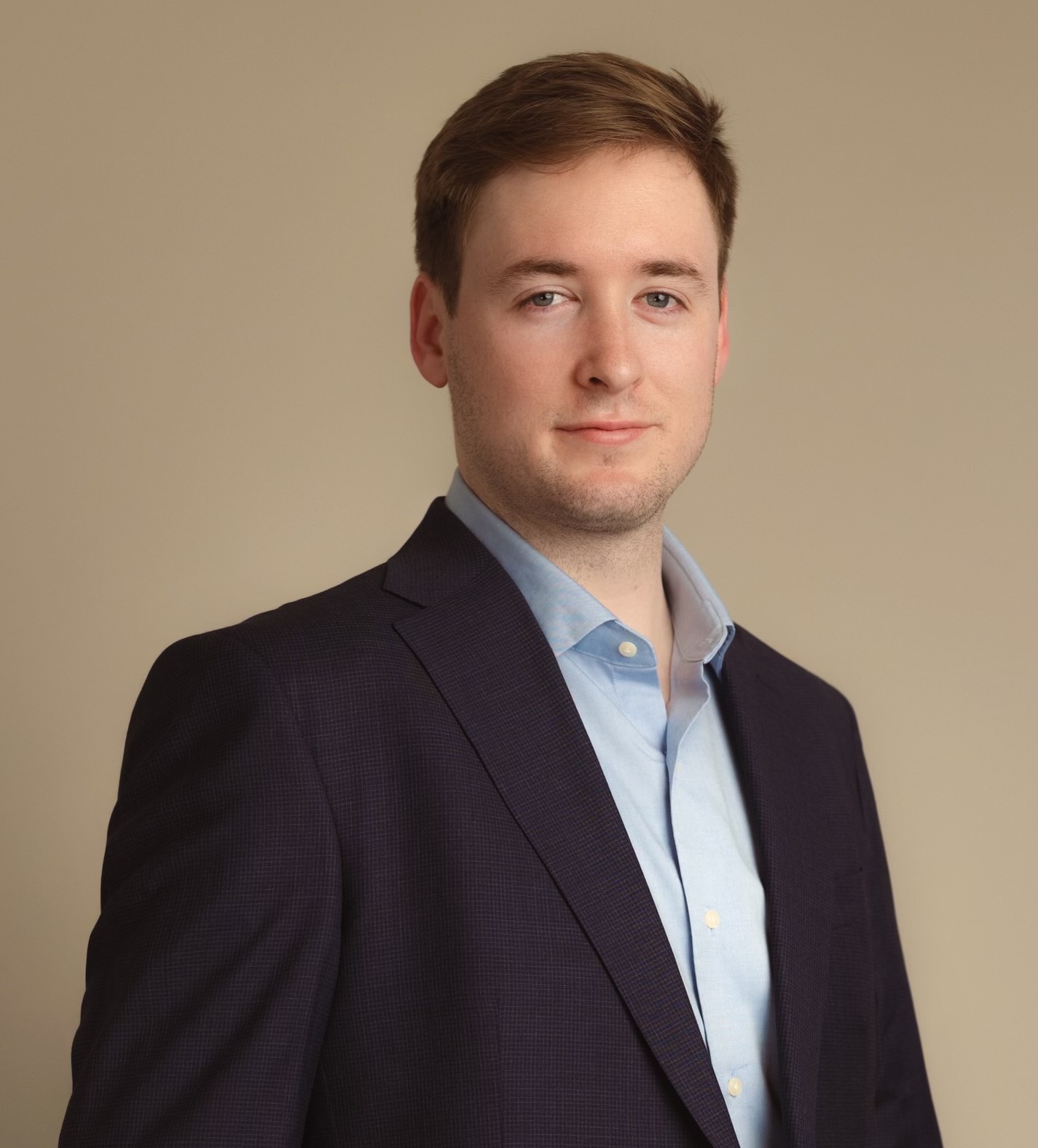
Seth Papineau is a 4th-year PhD Candidate in the Group Dynamics and Physical Activity Laboratory. His research aims to foster a more physically active population by better understanding the factors influencing team functioning and lifelong sport participation. Seth’s dissertation research is focused on uncovering the dynamic influence of personal goals on the competitive and cooperative relationships between teammates that come to impact team functioning. He is involved in research projects that encompass topics such as athletes’ intentions to continue sport participation, mattering perceptions in youth sport teams, novel team building strategies, and shared leadership in Masters sport. Methodologically, his background spans qualitative and quantitative forms of investigation, such as one-on-one and focus group interviewing, as well as administering psychometric and sociometric surveys in team settings. He has used several forms of analytic inquiry, including multi-level modeling, social network analysis, reflexive thematic analysis, and scale development techniques. Seth translates his research into real-life contexts through his role as an assistant coach for the Wilfrid Laurier University cross country and track and field teams.
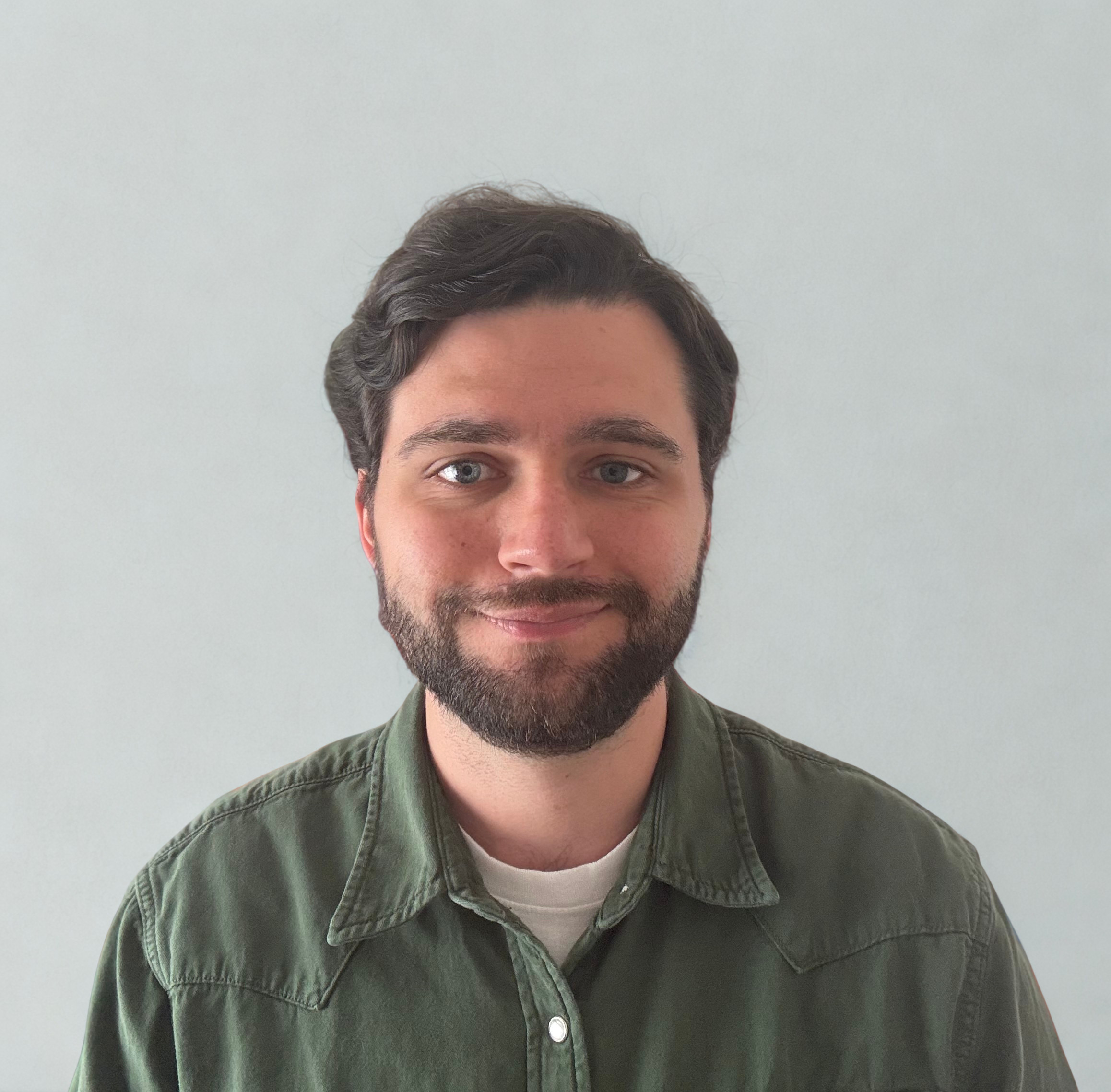
Zakry Walsh is a 4th-year PhD Candidate in the Group Dynamics and Physical Activity Laboratory. His research focuses on the psychosocial mechanisms that promote lifelong sport participation throughout midlife and older adulthood. More specifically, Zak’s dissertation research is focused on understanding perceptions of group dynamics in adult/Masters sport populations, and how they are similar and different from younger and more elite populations. He is also contributing to several other research projects that explore topics such as social support in sport-related concussion rehabilitation, parent-child sport co-participation, shared leadership in Masters sport, and the role of cohesion in exercise settings. Zak has experience with both quantitative and qualitative research methods, and has utilized several methods of data analysis including reflexive thematic analysis, template analysis, grounded theory, and multi-level modelling. Zak’s research aims to understand how key social agents such as athletes, coaches, and sport organizations can keep athletes engaged in sport long-term, leading to positive physical, psychological, and social outcomes. Beyond the lab, Zak enjoys long-distance running, hiking, watching movies, and spending time with family and friends.

Anthony is a second-year PhD candidate in the Group Dynamics and Physical Activity Laboratory. His research focuses on promoting positive team environments in sport and fostering sustained participation in physical activity across the lifespan. Building on his undergraduate and master's research, Anthony's dissertation examines leader humility in sport. Specifically, his work aims to conceptualize leader humility and further investigate the construct to understand how it can foster effective team functioning and create positive team environments. In addition to his dissertation, Anthony collaborates on a range of research projects examining youth athletes' intentions to continue sport participation, the influence of body language on team dynamics, and leadership evaluation and development within community physical activity organizations. Across these projects, he has developed expertise in both qualitative and quantitative research methods, including multilevel modelling, structural equation modelling, template analysis, and scale development. Overall, Anthony's research aims to help coaches, athletes, and other key social agents create healthier, more effective team environments that enhance both performance and well-being. Outside of academia, he enjoys playing recreational sports, spending time outdoors, and being with family and friends.

Joohee (Aileen) Jin is a second-year Master's student in the Group Dynamics and Physical Activity Laboratory. Her research focuses on how individual characteristics and the group environment influence group functioning, with particular interests in gender, culture, and small groups. Her work seeks to foster more positive and inclusive experiences in sport, exercise, and physical activity. Joohee’s thesis aims to explore athletes' experiences in mixed-gender sport dyads in Canada and South Korea. She is also involved in research projects on youth athletes’ intentions to continue sport participation as well as Equity, Diversity, and Inclusion (EDI) policies and practices in Canadian basketball. Methodologically, she has experience with both qualitative and quantitative research methods, including conducting semi-structured interviews, administering psychometric surveys, and using template analysis. Before beginning her graduate studies, Joohee worked as a middle school physical education teacher and as a research assistant at the Korea Institute of Sport Science.
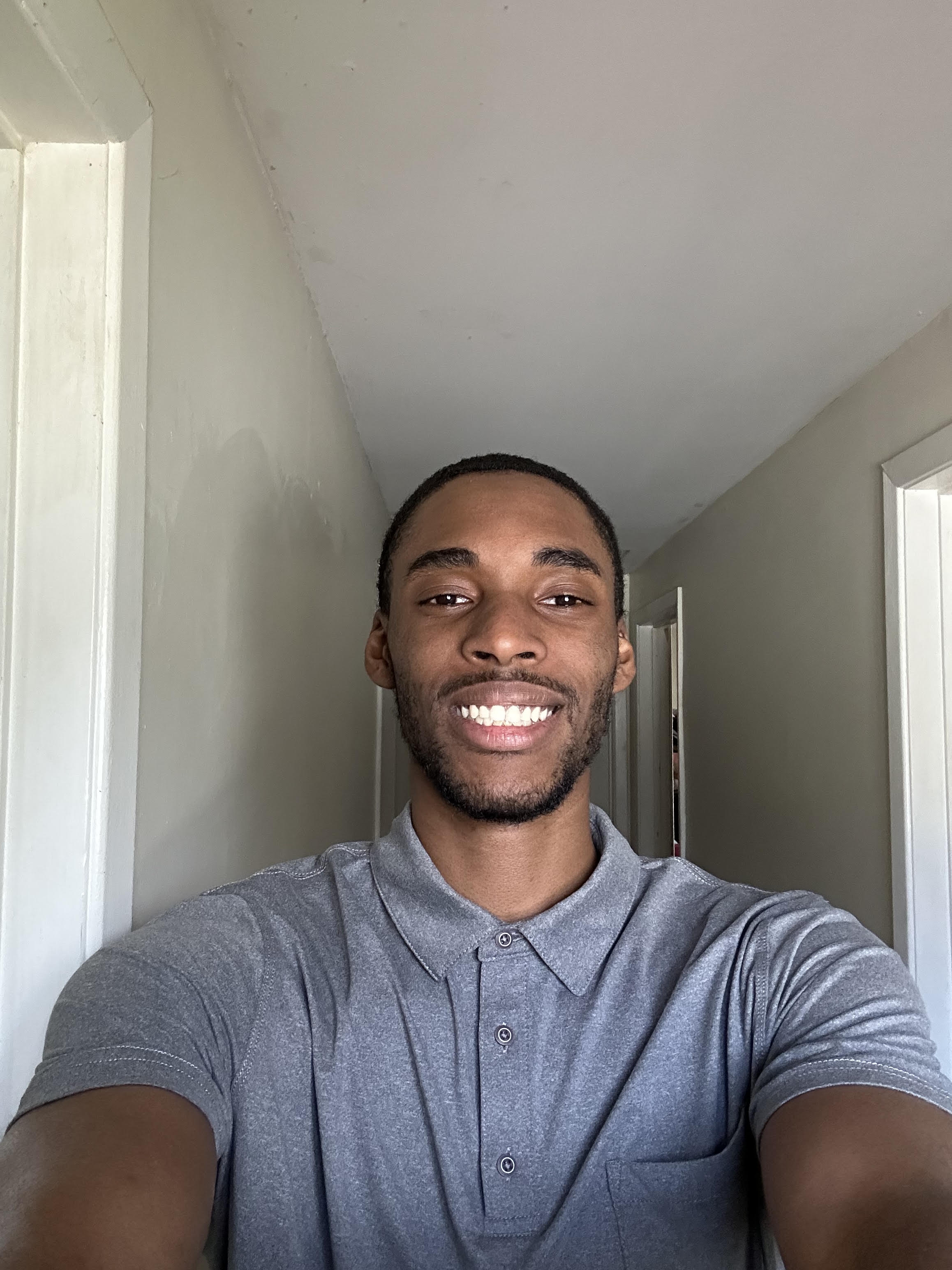
Jackson is in the first year of his PhD and intends to study group dynamics as it relates to basketball players. He is currently completing courses and assignments before moving towards his dissertation. During his Master's thesis, he attempted to evaluate the decision-making ability of basketball players using a virtual reality perceptual assessment. The virtual reality assessment was created with the underlying goal of supporting basketball coaches and their talent evaluation processes. Jackson is interested in group dynamics as groups are ubiquitous and a part of human nature. He believes that understanding groups (and of interest to him: basketball groups) can help coaches, teams, and players achieve their desired outcomes. He is also fortunate enough to have the ability to explore higher education and intends to maximize that opportunity. Outside of his PhD, he loves to play and coach basketball. Jackson runs his own basketball training/consulting business (@jkellyperformance) and works with teams and athletes from grassroots to college level. He is currently an assistant coach for a U-Sports basketball team and a coach for a local Waterloo basketball club.
Alumni

Taylor Coleman, PhD (2026), is a researcher and organizational leader with a background in applied sport psychology whose work examines how social environments shape people's experiences in sport and organizations. Her research focuses primarily on group dynamics in sport, with particular interests in leadership, motivational climate, role involvement, and the influence of parents, coaches, and other social agents on athlete experiences. Her work seeks to better understand the relationships and environments surrounding athletes so that research can be translated into healthier, more inclusive, and more effective sport experiences. Taylor's current research and applied work includes projects examining parent involvement in youth sport, equity and inclusion among coaches and officials in Canadian basketball, and the influence of body language in team sport settings. She has expertise in mixed-methods research, including quantitative and qualitative research design and analysis, alongside extensive practical experience in organizational leadership, program development, evaluation, and knowledge mobilization. Across these areas, Taylor is particularly interested in bridging research and practice, helping sport organizations and leaders use evidence to strengthen the systems and environments in which people participate and perform. Outside of work and research, Taylor values time with family and friends, especially being an involved aunt to her nieces and nephews, and is happiest outdoors—preferably on a beach back home on the East Coast.
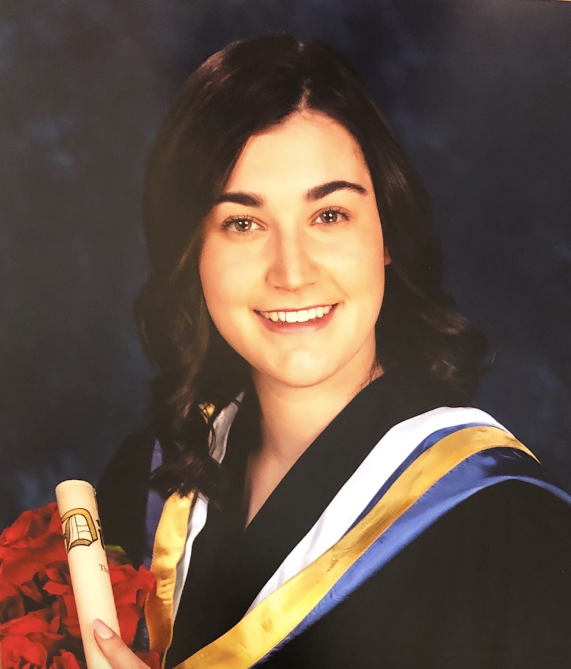
Charlotte completed her degree in the Master of Kinesiology in 2022. She completed her undergraduate degree at Laurentian University within the School of Human Kinetics majoring in Sports Psychology. Charlotte’s research focused on socialization and proactivity behaviours in team sport settings. She is currently completing her teacher's education program.
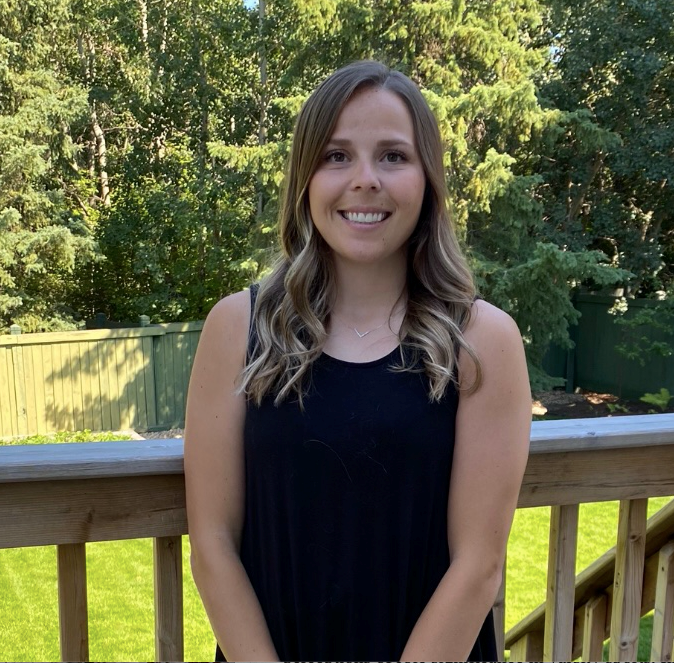
Madeline completed her Master's degree in 2021. From Edmonton, Alberta, she earned a Bachelor of Science degree in Psychology from the University of Alberta. Madeline examined athletes’ perceptions of role significance in varsity sports. Madeline is currently a Program Supervisor in campus recreation at the University of Alberta.
Michael completed his Ph.D. at Laurier in 2020. Originally from the small town of Wallacetown, Ontario, Michael completed his undergraduate degree in Human Kinetics at the University of Windsor. Michael joined the Group Dynamics and Physical Activity Lab at Laurier in 2014 where he went on to complete his Master’s of Science that focused on the parental influence on role transmission processes in sport. Michael’s dissertation research focused on cultural diversity in sport and related group dynamics topics. Following his doctoral work, Michael was a Postdoctoral Fellow at the University of Windsor where his program of work is focused on developing innovative ways to address Equity, Diversity, and Inclusion-related issues in science, technology, engineering, and mathematics (STEM). His initial research in this area is examining how the climate for LGBTQ+ people impacts their experiences and intentions to persist within STEM fields. Michael is currently an EDI data analyst at Western University.
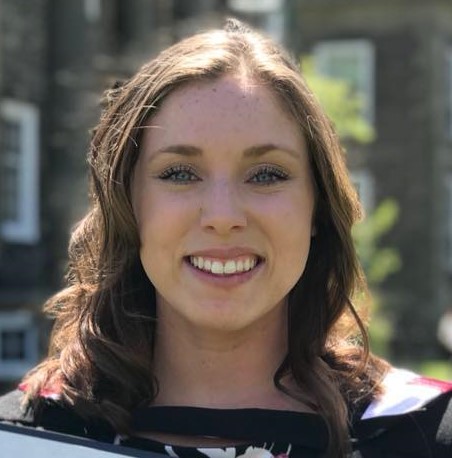
Erica, originally from Halifax, Nova Scotia, completed her Masters degree in 2020. She obtained her undergraduate degree in Kinesiology at Dalhousie University, where she completed a thesis working with Dr. Lori Dithurbide. Erica examined the temporal shifts of cohesion and role clarity over the sport season. Furthermore, Erica competed on the ringette team at Wilfrid Laurier University and enjoys working with youth in both sport and exercise settings. Following from her Masters, Erica completed an advanced nursing degree at Dalhousie University.
Jeemin obtained his doctoral degree through the Kinesiology program in 2019, and is currently a Postdoctoral Fellow at the University of Toronto (supervisor: Dr. Katherine Tamminen). He earned an Honour’s Bachelor of Science degree in Biology and Psychology from McMaster University, and a Master of Arts degree in Sport Psychology with Dr. Gordon Bloom at McGill University. His doctoral work examined the antecedents and outcomes of informal roles (e.g., team comedians, mentors, distracters) in sport teams. He is also interested in how social norms relate to individuals’ physical activity. He conducted postdoctoral work at the University of Toronto and is currently an Assistant Professor at Michigan State University.
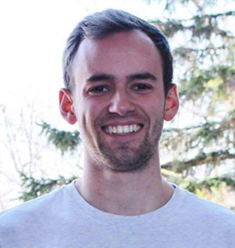
David’s Master’s thesis involved examining the relationship between group cohesion in a sports context and the interaction of group testosterone and cortisol levels. David truly valued the experience he gained working with Dr. Mark Eys in the Group Dynamics and Physical Activity Laboratory, and pursued a Master of Business Administration at Saint Mary’s University in Halifax, Fall of 2019.
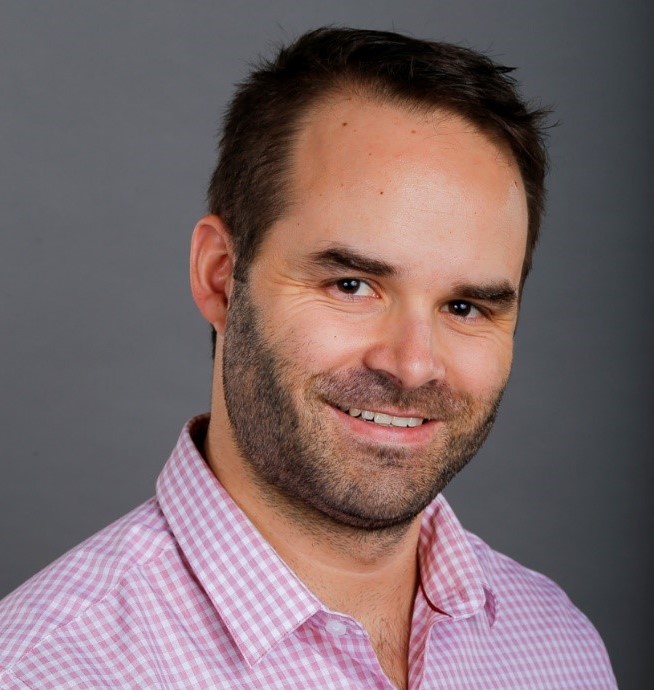
Brennan completed his Master at Laurier in 2017. His Master's thesis explored how role conflict can affect other role perceptions while also proposing two new role conflict dimensions (i.e., role encroachment and role incompatibility). Brennan is currently completing his doctoral studies at Laurentian University with Rob Schinke, where he is studying the effects of the stigma surrounding mental health in sport on athletes' social relationships.
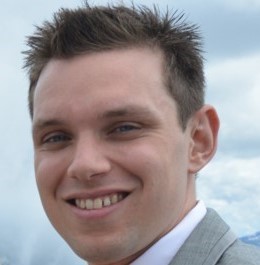
He completed his PhD in Psychology in 2016, for which he was the recipient of the Gold Medal for Academic Excellence. Alex is now an Associate Professor in the Department of Psychology at Western University and Director of the Group Experiences Laboratory. His lab is currently investigating how people differ in the roles they strive for and covet within teams and organizations, which traits people value in leaders and followers, and how leader-follower dynamics contribute to team and organizational functioning. In a separate line of inquiry, he is studying how organizations and teams can better structure the entry experiences of newcomers to optimize both individual-level and group-level outcomes. These projects are funded by the Social Sciences and Humanities Research Council of Canada and Mitacs.
Blair explored group dynamics within individual sports teams as his dissertation, along with collaborations on broader topics related to groups and social cognition in exercise. He completed his PhD in Psychology at Laurier in 2014, for which he received the Gold Medal for the Faculty of Science. He completed a post-doctoral fellowship at Queen's University after leaving Laurier and obtained his first faculty position as an assistant professor at Penn State University. Blair is currently an Assistant Professor in the Department of Psychology at Western University.
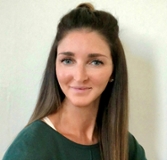
Eryn completed her Master of Science degree in Kinesiology, specializing in sport psychology at Laurier (2011). Since then, she has become a certified exercise psychologist (CSEP-CEP), and has experienced working for the Department of National Defence, Calgary Police Service, and the University of Calgary with various Canadian Tri-council Funding (i.e., SSHRC). Currently, Eryn is working at Mohawk college where she is teaching fitness assessments, exercise physiology, and sport and exercise psychology.
Amy completed her Master's thesis in the summer of 2015. Her research involved youth competitive athletes and investigated athlete leaders’ use of transformational behaviours and its effect on trust in the leader. Amy is currently a personal trainer at LA Fitness.
Theo completed his Master's at Laurier in 2018.
Pavol was a visiting researcher from Charles University in Prague, Czech Republic.
Colin completed his Master's of Science in 2013 at Laurier.
Robyn completed her Master of Science in 2013 and is now pursuing a career in physiotherapy.
Svenja was a visiting researcher from the German Sport University Cologne, where she earned her Academic Diploma in Sport Science in 2009 and has been enrolled in the PhD program, supervised by Dr. Jens Kleinert since fall 2009.
For a complete list of publications from 2001-present please use the following link: scholar.google.ca/
Beauchamp, M.R., & Eys, M.A. (2014). Group dynamics in exercise and sport psychology (2nd edition). Oxford: Routledge.
Carron, A. V., & Eys, M. A. (2012). Group dynamics in sport (4th ed.). Morgantown, WV: Fitness Information Technology.
Eys, M., Kim, J., & Godfrey, M. (submitted for publication). Group dynamics in sport and exercise. In M. H. Anshel (Ed.), APA handbook of sport and exercise psychology. Washington, DC: American Psychological Association.
Eys, M., & Kim, J. (2017). Team building and group cohesion in the context of sport and performance psychology. In E. Acevedo (Ed.), Oxford Encyclopedia of Sport, Exercise, and Performance Psychology. New York: Oxford University Press. DOI: 10.1093/acrefore/9780190236557.013.186
Eys, M., Surya, M., & Benson, A. J. (2017). Communicating within sport teams. In B. Jackson, J. Dimmock, & J. Compton (Eds.), Persuasion and communication in sport, exercise, and physical activity (pp. 217-232). Oxon, UK: Taylor and Francis.
Eys, M., & Evans, B. (2019). Group dynamics in sport, exercise, and physical activity contexts. In T. S. Horn & A. L. Smith (Eds.), Advances in sport and exercise psychology (4th ed.; pp. 171-188). Champaign, IL: Human Kinetics.
Eys, M., Loughead, T. M., & Godfrey, M (2017). Group cohesion and athlete development. In J. Baker, S. Cobley, J. Schorer, & N. Wattie (Eds.), Routledge handbook of talent identification and development in sport (pp. 301-311). Oxford: Routledge.
Eys, M., Beauchamp, M. R., Godfrey, M., Dawson, K., Loughead, T. M., & Schinke, R. J. (in press). Role commitment and acceptance in a sport context. Journal of Sport and Exercise Psychology.
Kim, J., Godfrey, M., & Eys, M. (in press). The antecedents and outcomes of informal roles in interdependent sport teams. Sport, Exercise, and Performance Psychology.
Godfrey, M. & Eys, M. (in press). Parental involvement in the transmission and development of youth athletes’ role responsibilities. International Journal of Kinesiology in Higher Education.
Kim, J., Gardant, D., Bosselut, G., & Eys, M. (2018). Athlete personality characteristics and informal role occupancy in interdependent sport teams. Psychology of Sport and Exercise, 39, 193-203.
Eys, M., & Brawley, L. R. (2018). Reflections on cohesion research with sport and exercise groups. Social and Personality Psychology Compass, 12, e12379. DOI: 10.1111/spc3. 12379
Heuzé, J. P., Eys, M., Dubuc, M., Bosselut, G., & Couture, R. (2018). Cohesion, psychological needs, and intrinsic motivation in youth team sport context. International Journal of Sport Psychology, 49, 55-73.
Evans, M. B., Graupensperger, S. A., Benson, A. J., Eys, M., Hastings, B., & Gottschall, J. S. (in press). Groupness perceptions and basic needs satisfaction within fitness groups. Group Dynamics : Theory, Research, and Practice.
Kim, J., Eys, M., Robertson-Wilson, J., Dunn, E., & Rellinger, K. (2017). Subjective norms matter for physical activity intentions more than previously thought: Reconsidering measurement and analytical approaches. Psychology of Sport and Exercise, 43, 359-367.
Kim, J., Dunn, E., Rellinger, K., Robertson-Wilson, J., & Eys, M. (2019). Social norms and physical activity in American and Canadian contexts : A scoping review. International Review of Sport and Exercise Psychology, 12, 26-48
Evans, M. B., Graupensperger, S. A., Benson, A. J., Eys, M., Hastings, B., & Gottschall, J. S. (2019). Group structure and entitativity in group fitness : Considering groupness at within- and between-group levels. Psychology & Health, 34, 715-732.
Graupensperger, S. A., Gottschall, J. S., Benson, A. J., Eys, M., Hastings, B., & Evans, M. B. (2019). Perceptions of groupness during fitness classes positively predict recalled perceptions of exertion, enjoyment, and affective valence : An intensive longitudinal investigation. Sport, Exercise, and Performance Psychology.
McKie, G. L., Islam, H., Townsend, L. K., Robertson-Wilson, J., Eys, M., & Hazell, T. J. (2018). Modified sprint interval training protocols: Physiological and psychological responses to four weeks of training. Applied Physiology, Nutrition, and Metabolism, 43, 595-601.
Robertson-Wilson, J., Eys, M., & Hazell, T. J. (2017). Commentary : Why sprint interval training is inappropriate for a largely sedentary population. Frontiers in Psychology, 8. doi: 10.3389/fpsyg.2017.01603
Townsend, L. K., Islam, H., Dunn, E., Eys, M., Robertson-Wilson, J., & Hazell, T. J. (2017). Modified sprint interval training protocols Part II : Psychological responses. Applied Physiology, Nutrition, and Metabolism, 42, 347-353.
Bruner, M.W., Eys, M. Carreau, J.M., McLaren, C., & Van Woezik, R. (in press). Utilizing the Team Environment AssessMent (TEAM) to enhance team building in sport. The Sport Psychologist.
Godfrey, M., Kim, J., Eluere, M., & Eys, M. (in press). Diversity in cultural diversity research : A scoping review. International Review of Sport and Exercise Psychology.
Petersen, B., Eys, M., Watson, K., & Evans, M. B. (in press). Taking stock of youth sport group dynamics research : A scoping review. Kinesiology Review.
Eys, M., Bruner, M. W., & Martin, L. J. (2019). The dynamic group environment in sport and exercise. Psychology of Sport and Exercise, 42, 40-47
Coholic, D., Dano, K., Sindori, S., & Eys, M. (in press). Group work in mindfulness-based interventions with youth: A scoping review [Special issue]. Social Work with Groups. DOI: 10.1080/01609513.2019.1571764
Martin, L. J., & Eys, M. (2019). Setting the conditions for success : A case study involving the selection process for the Canadian Forces Snowbird Demonstration Team. Journal of Applied Sport Psychology, 31, 116-133.
Coholic, D. A., Eys, M., McAlister, H., Sugeng, S., & Smith, D. (2018). A mixed method pilot study exploring the benefits of an arts-based mindfulness group intervention with adults experiencing anxiety and depression. Social Work in Mental Health, 16, 556-572.
Boroumand, S., Eys, M., & Benson, A. J. (2018). How status conflict undermines athletes’ willingness to help new teammates. Journal of Applied Sport Psychology, 358-365.
Benson, A. J., Bruner, M. W., & Eys, M. (2017). A social identity approach to understanding the conditions associated with antisocial behaviors among teammates in female teams. Sport, Exercise, and Performance Psychology, 6, 129-142.
McEwan, D., Ruissen, G., Eys, M.A., Zumbo, B. D., Ruissen, G. R., & Beauchamp, M. R. (2017). The effectiveness of teamwork training on teamwork behaviors and team performance: A systematic review and meta-analysis of controlled interventions. PLoS ONE, 12(1) : e0169604. Doi : 10.1371/journal.pone.0169604
Group Dynamics and Physical Activity Laboratory
Mark Eys, Professor Kinesiology and Physical Education; Laurier Research Chair
E: meys@wlu.ca
T: 548.889.3808