May 12, 2026
When Elora, Ont., native Jenny Bird graduated from Wilfrid Laurier University’s Bachelor of Business Administration (BBA) program in 1999, she already knew that pursuing a traditional career in the corporate world wasn't for her.
As a student, Bird found her elective courses more appealing than the program’s required courses in economics and finance. Outside the classroom, the prospect of working in wealth management alongside her father didn't spark joy.
But the fundamentals of Bird’s undergraduate education didn’t go to waste. She saw an opportunity to craft a career she dreamed of — one that fused innate entrepreneurial instinct with an emerging propensity for fashion and design. By leaning into the knowledge she gained at Laurier and remaining true to herself, Bird has built one of Canada’s most successful jewelry and lifestyle brands. Her designs have been donned by celebrities like Michelle Obama, Selena Gomez and Laura Dern, and have earned her a devoted following from around the world.
Below, Bird shares her path from Laurier business student to founder, creative director and chief executive officer of Jenny Bird, and explains why she is a big believer in “kind profiteering.”
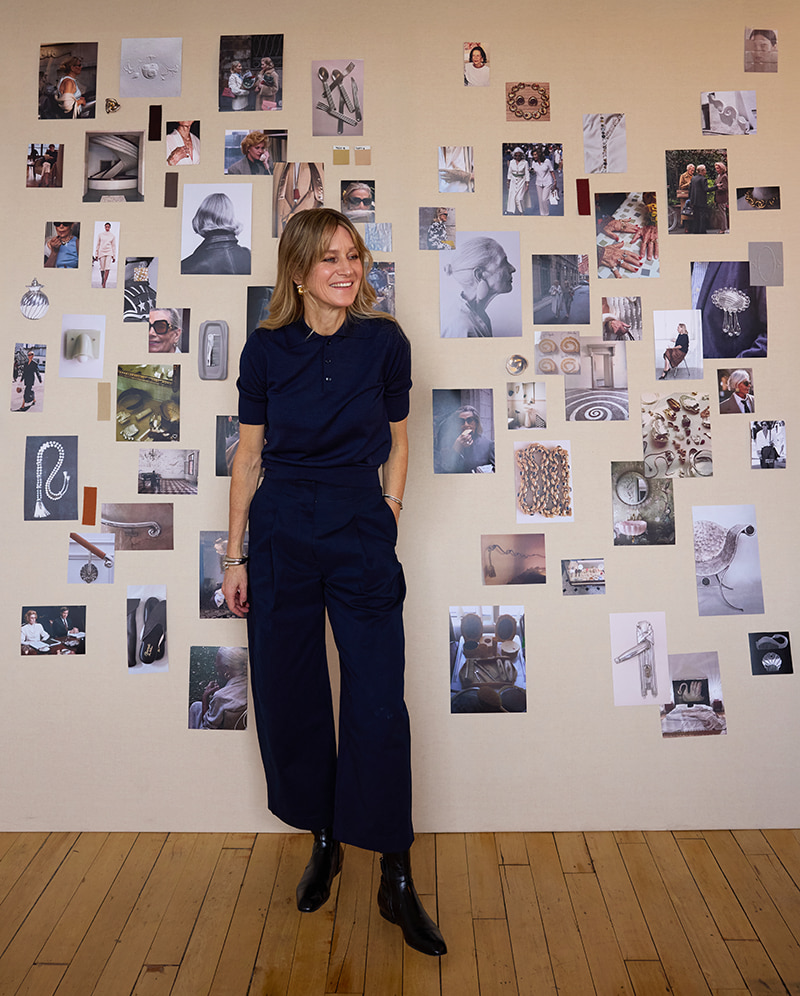
I was a farm girl from Elora and didn’t want to go too far from home for school or live in a big city. My parents encouraged me to pursue a business degree because of the financial security that often comes with it. My father also worked in wealth management and had a large portfolio of clients I could eventually take over when he retired.
Honestly, not really. I always felt like a bit of a stranger among the business crowd. In the late ’90s, Laurier didn’t offer as much programming in branding or marketing — the areas that tapped into creativity — so I often wandered into the Arts building to see where courses in history or astronomy were taught. My electives were always the most exciting part of my schedule.
Even though I didn’t love the traditional business courses, I’m someone who makes the most of every chapter. The internships I did during my undergrad were amazing in that they helped me understand what I didn’t want. So, I focused on the business areas that I did enjoy — like marketing and branding — whenever I could.
My first job was working with my dad as an investment adviser at Dominion Securities — essentially as a stockbroker. I’m really good at math and earned my derivatives and options licences, but I found the work completely boring. I had zero interest in the stock market, economic systems or interest rate movements, and I didn’t want to be responsible for someone’s life savings.
I lasted about four months before telling my dad it wasn’t for me. I had the skills, but the job lacked creativity. I’m a dreamer and I wanted to spend my days doing something I loved.
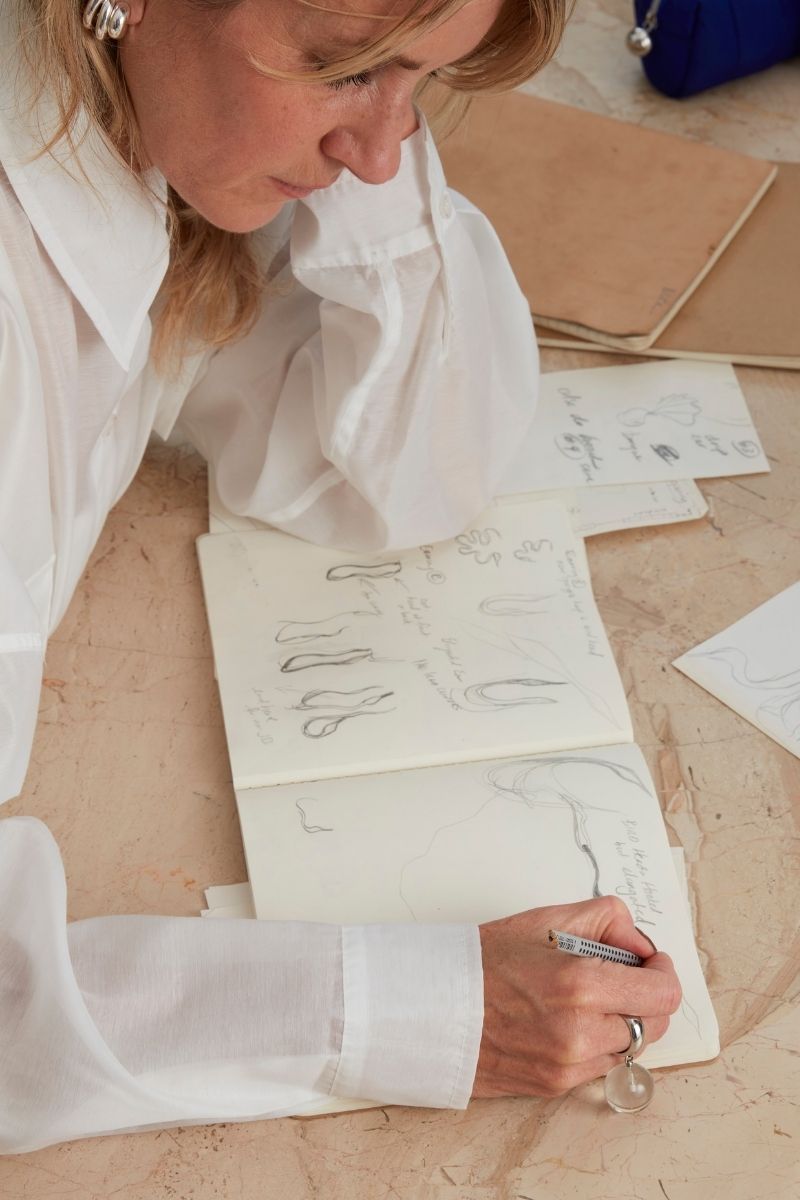
Bird sketching jewelry designs.
I actually made two attempts. The first was right after leaving Dominion Securities. I joined a small ad agency in Toronto doing brand strategy. It was creative, entrepreneurial and offered a lot of autonomy. I was making decent money and became a fashion customer, which wasn’t how I grew up. I hadn’t had access to things like jewelry or handbags, but I quickly discovered how much I loved them.
I bought a Rebecca Minkoff bag and recognized a gap in the market for approachable luxury. At 25, I quit the agency and used my savings to start making handbags in the same price range — around $300 to $400 each. I was sewing them myself — which was not scalable — and I wasn’t very focused. I quickly ended up on employment insurance. However, I got a taste for designing and creating, and I was hooked. I went back to the agency for another five years. At 30, I was promoted to vice-president, and I realized that if I didn’t quit then, I never would.
I left again — and the second time, it worked. I started in handbags, but when the recession hit in 2009, it became clear they weren’t viable. That’s when I pivoted to jewelry. It felt natural because I was already designing custom hardware for handbags.
The early days brought challenges, especially sourcing. I needed to produce domestically to meet my quality standards and price points, but as a new brand, I couldn’t meet the large minimums required by international suppliers. While I searched for solutions, I made jewelry by hand in a small shop on Spadina in Toronto. My designs used a lot of leather and custom beadwork — incredibly time-consuming. I hired help where I could, including construction workers looking for extra benchwork. But I knew that if I could find a manufacturer with advanced casting and metal-plating technologies, I could create more sophisticated pieces.
After two years of searching across Canada, New York and Rhode Island, I had to explore overseas options. Eventually, after some in‑person pleading, an international manufacturer agreed to produce the small quantities I could afford. I had bootstrapped the entire business because I didn’t want to be beholden to outside ideas or investor pressures. That can happen when you pursue venture capital. Financing the brand myself and staying true to my vision for Jenny Bird has been a good decision and a big part of my success.
I design with comfort in mind. If jewelry is going to be on your body all day, it has to be lightweight. I’ve always had an eye for trends and know how to translate them into jewelry. Over the past few years, for example, we’ve seen “puffy” silhouettes everywhere — in sofas, light fixtures and fashion. It’s often unspoken why something feels cool or current, but if you’re tuned into that, it translates almost subconsciously into design.
When it comes to finishes, I’m drawn to clean metals. I’ve tried gemstones and colour, but it never felt right. Having a consistent style also helps buyers know what to expect, and that’s been important for our success. North American jewelry is often very bedazzled; there aren’t many designers working in clean, minimalist surfaces. That sets Jenny Bird apart.
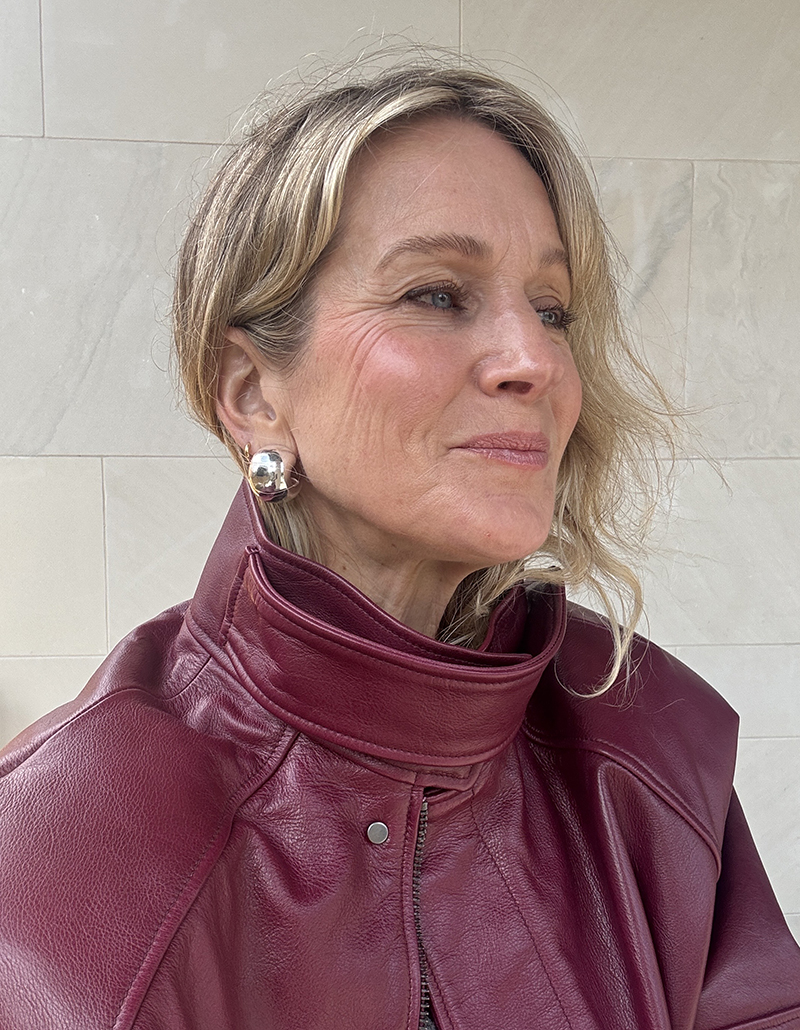
There were two moments. The first was earning the same salary I would have made as a VP at the agency — a six‑figure income — while maintaining the freedom of being a founder. That meant building a million‑dollar company to support the salary, the expenses and the reinvestment for future growth. It took eight years, but I never gave up. I believed that if I worked hard and treated people fairly, I’d succeed.
The second moment was when Michelle Obama wore the Gemma Hoops. In that moment, I thought, “Okay, I’m good.”
If I keep coming back to a piece, it’s because I’m proud of it — proud that it works on every level, like our Gemma Hoops, for example. They're trendy, lightweight, bold and a statement. There’s real engineering behind getting something this chunky to feel so comfortable. That’s what makes these pieces incredible.
Business should be profitable, but what if your profits also uplift others? At Jenny Bird, one per cent of all sales goes to the Possibilities Fund, which supports organizations that uplift women in urgent need, mental wellness initiatives and mentorship programs. I think brands have a responsibility to give back and help people who might fall through the cracks, especially women. I call it “kind profiteering” — we can make a profit while helping others. If you’re going to shop for jewelry, why not support a brand that gives back?
One per cent of each purchase of Jenny Bird jewelry is donated to organizations that uplift women in urgent need, while also fuelling mental wellness initiatives and mentorship programs through the Possibilities Fund. To date, the fund has contributed more than $500,000 to uplift women.
View this post on Instagram
An international marketing course really stuck with me. The professor taught us how product design must adapt to different markets, for example, making designs more minimalist to appeal to Japanese consumers. When I later applied that learning to my own designs, Japanese buyers purchased a ton of my pieces.
To know what you want, stand in the version of that life today. If you want to be a designer, spend a day acting like one. Work on your designs, visit stores where you want to sell, look at potential studio spaces. I used to close my eyes and picture the staff who would someday support me — what their roles would be, how it would feel. I even walked into stores and said I had a handbag line before I actually did, just to see how it felt. Doing this helps clarify your path forward.
Continuing to become world‑class in jewelry. I don’t think mastery is achievable, but I’m going to try.

Jenny Bird is the recipient of a Laurier 2026 Alumni Award of Excellence in the Entrepreneurial Spirit category.
Presented on May 28, the Alumni Awards of Excellence are an annual celebration of the significant contributions alumni make to the Laurier community. The awards are made possible thanks to the dedicated efforts of volunteer Wilfrid Laurier University Alumni Association board members.
Read the news release to learn more about the awards, this year’s recipients and to register for the event.