Planting Seeds of Sovereignty

Laurier researchers help incubate community garden in Kakisa, Northwest Territories

Full-width image
Full-width image

May 21, 2026  |  Photography by Pat Kane

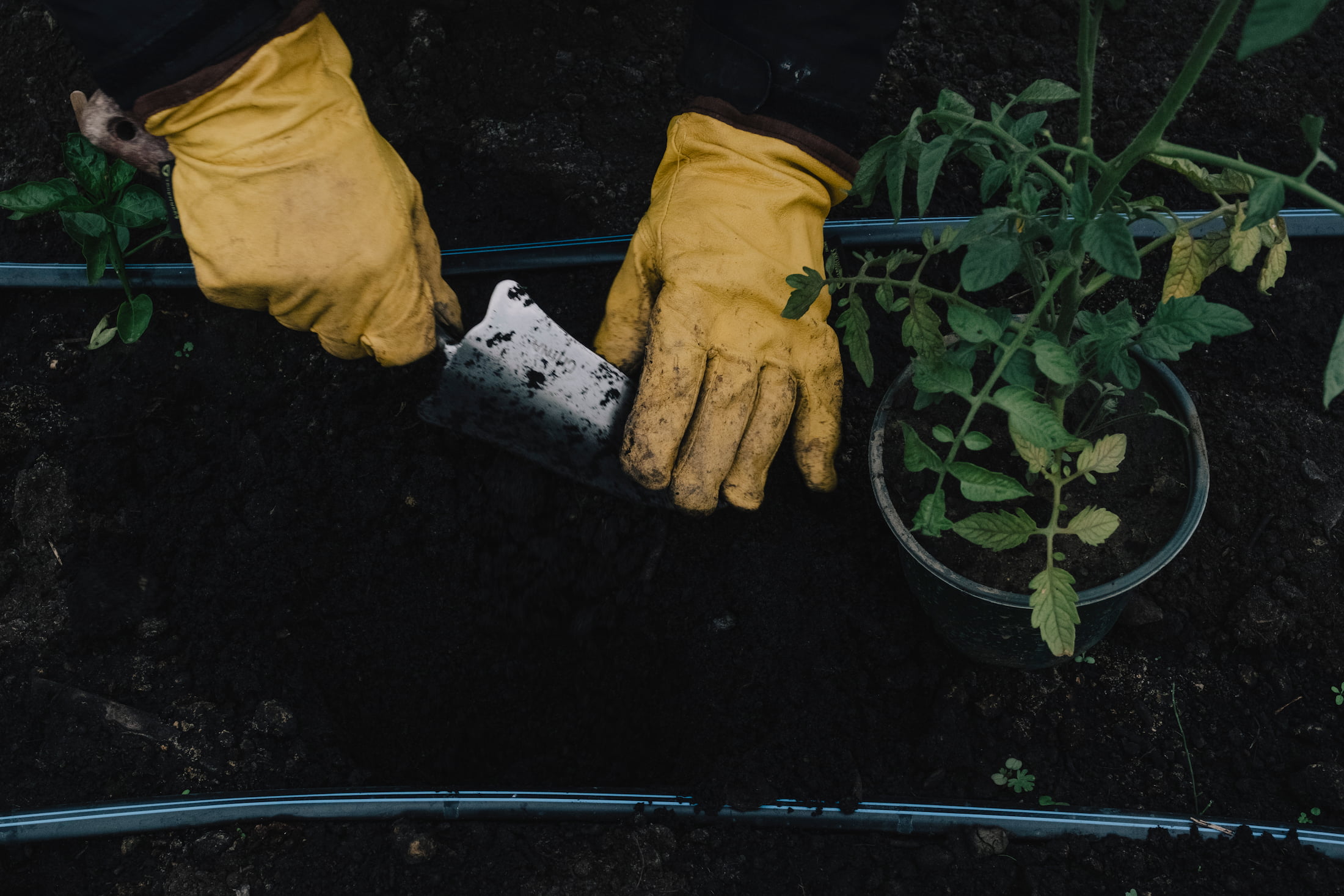
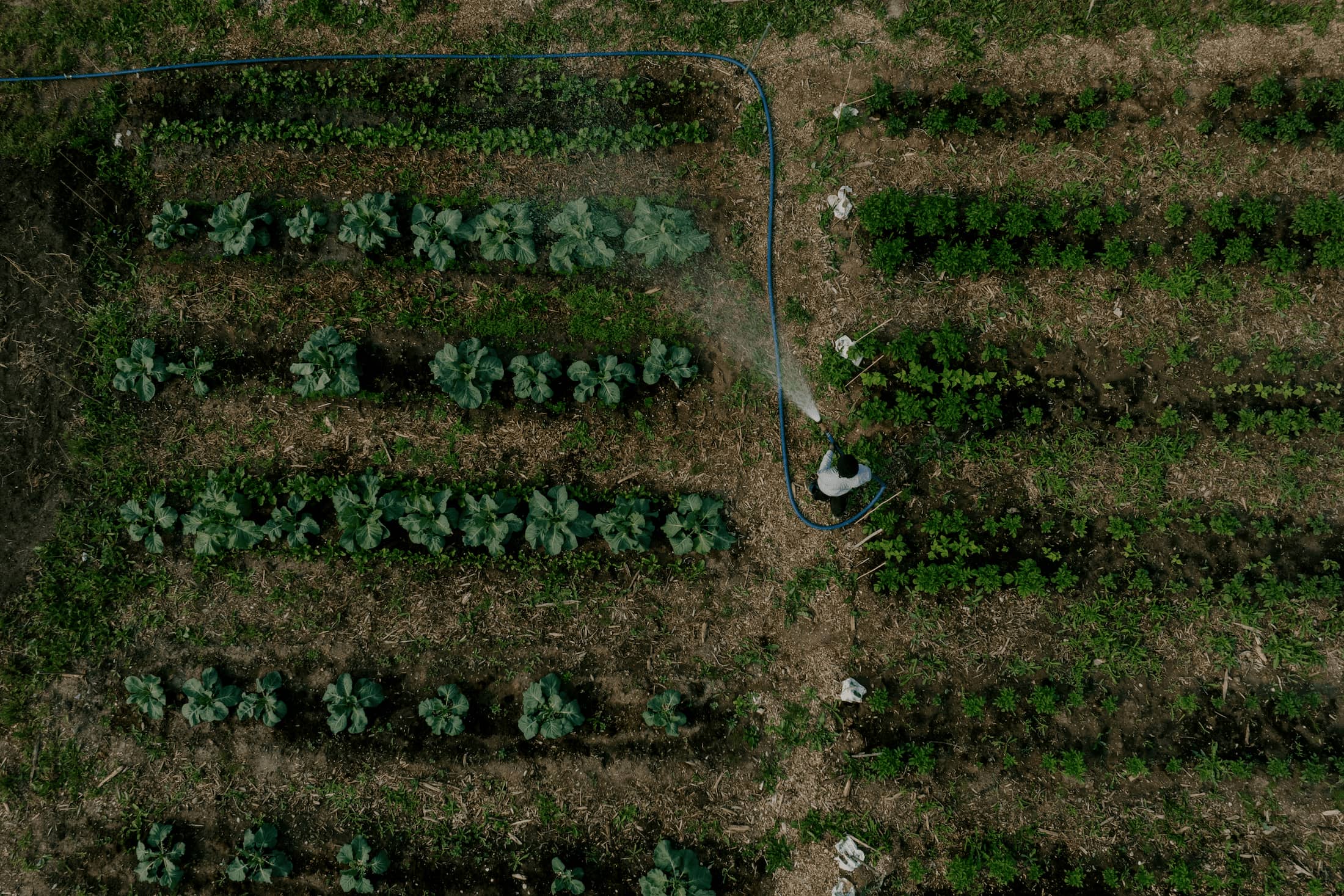
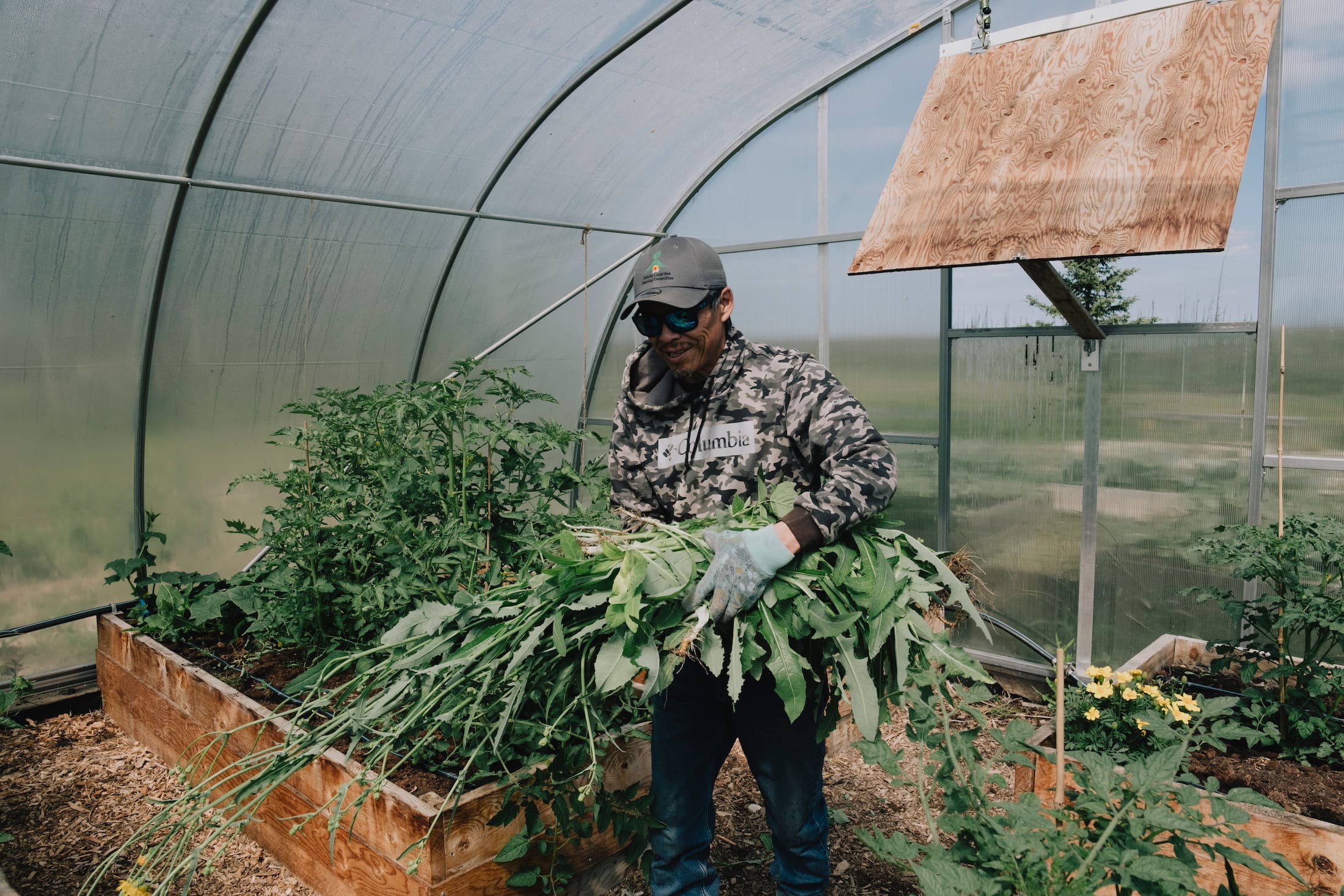
Every morning, Julien Canadien wakes up and walks over to his local community garden to water the plants. He has been in charge of maintenance for the past four years, a job he takes great pride in.

Previously, Canadien was a firefighter for two decades, often spending long stretches of time away from his home in Kakisa, Northwest Territories. He missed important moments with his children, including his daughter’s school events.

“She wanted me there, but I was always working,” he says.

Kakisa’s agriculture operation – a collaboration with Wilfrid Laurier University to grow food for the local community – offers Canadien consistent, meaningful work close to his family.

“Now I never miss my little girl’s talent shows and stuff at school, so she’s happy.”

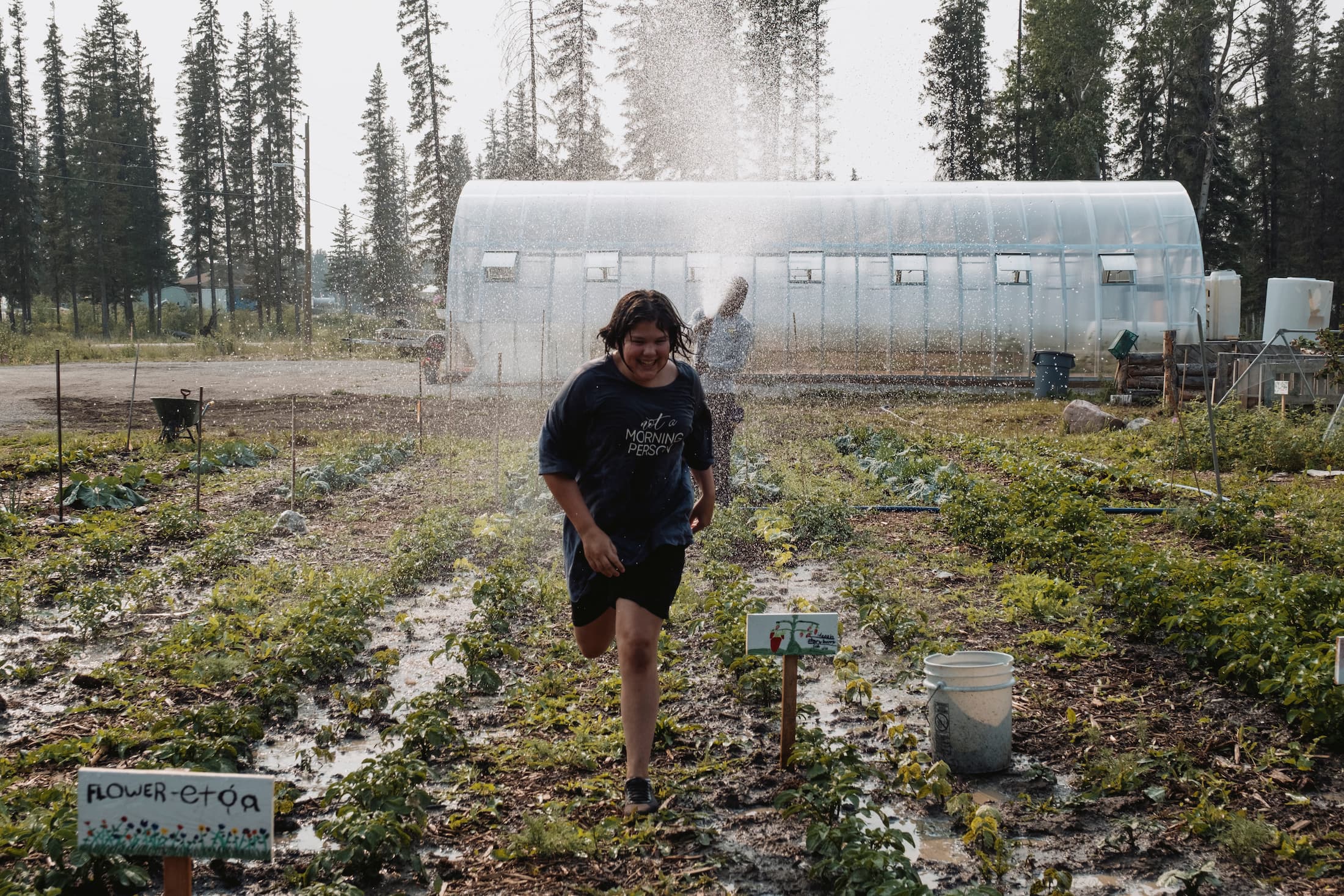
His daughter sometimes helps him in the garden.

Full-width image

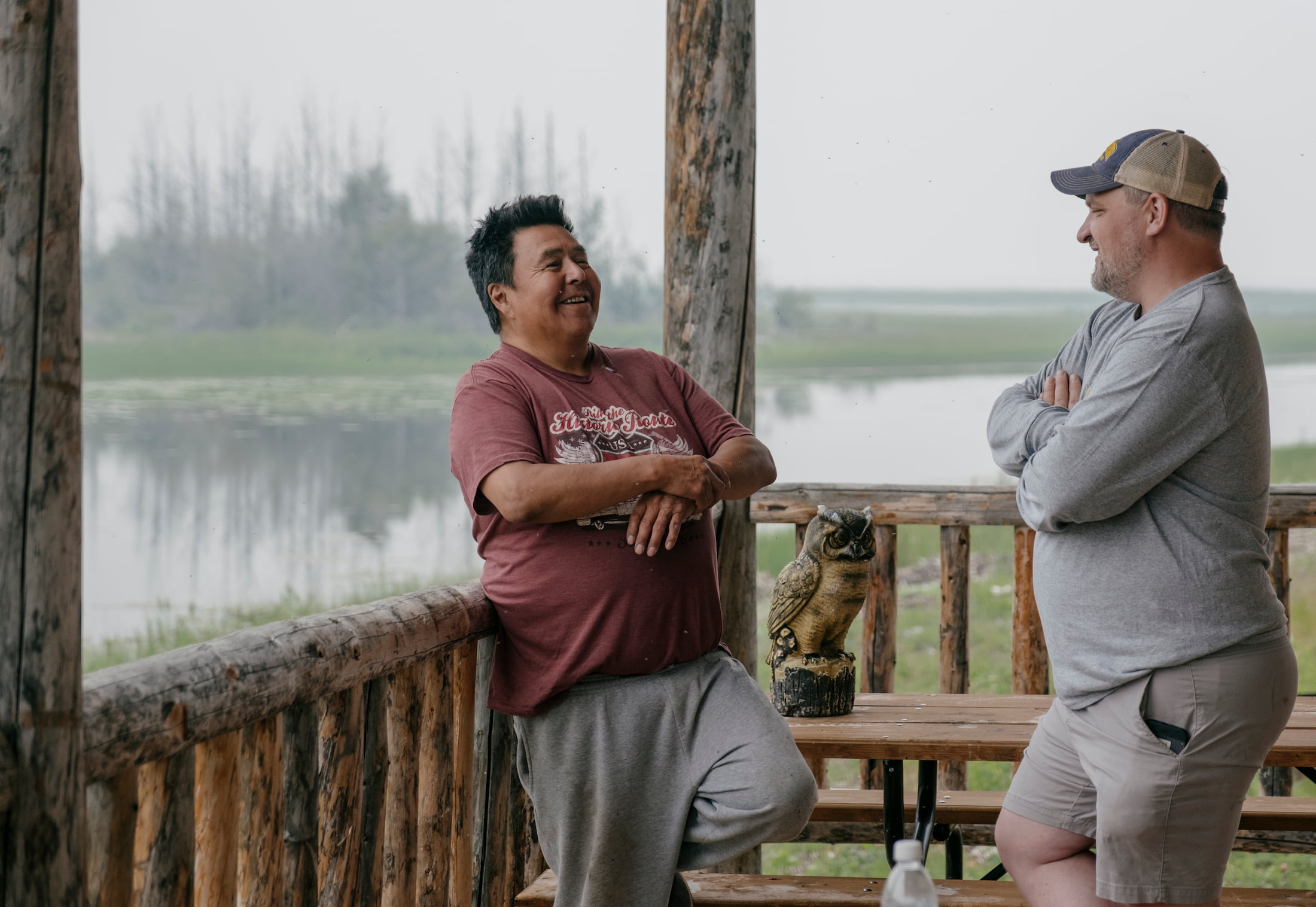
Canadien (pictured) and his family eat mostly traditional foods from the land, such as moose, caribou and fish. They like to “mix it up” with vegetables from Kakisa’s garden and greenhouses.

“Growing your own food makes you feel good,” says Canadien. Plus, “it’s free. And you don’t have to drive all the way to the grocery store in Hay River – which is an hour and a half away – just to get your vegetables.”

Full-width image

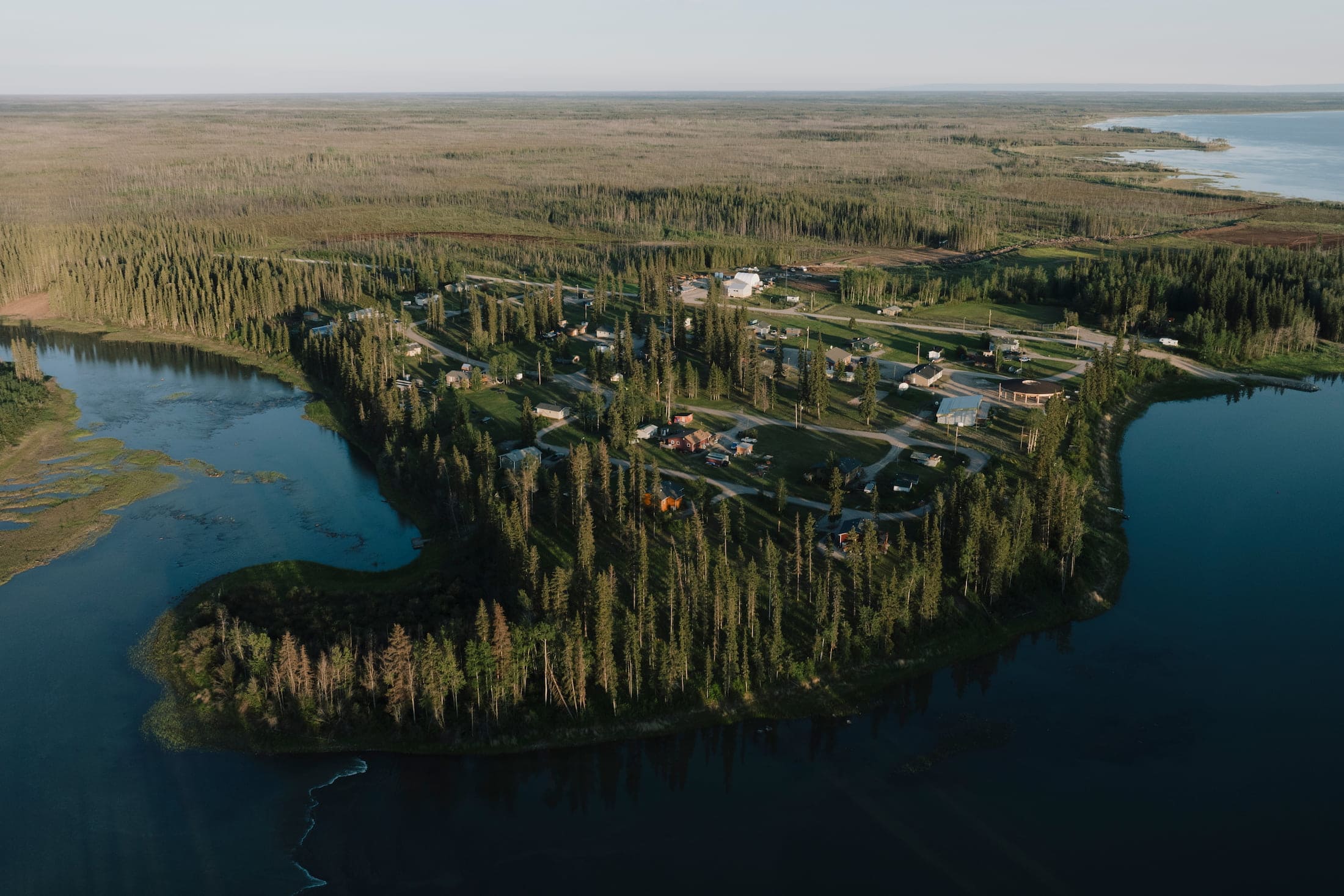
Access to fresh, affordable food is a pervasive challenge in Kakisa, considered the Northwest Territories’ “tiniest town.” Two hours north of the Alberta border, Kakisa is a Dene community of fewer than 40 people set along the edge of Kakisa Lake. The Ka'a'gee Tu First Nation represents residents, whose traditional territory span the surrounding lakes, rivers and forest.

Full-width image

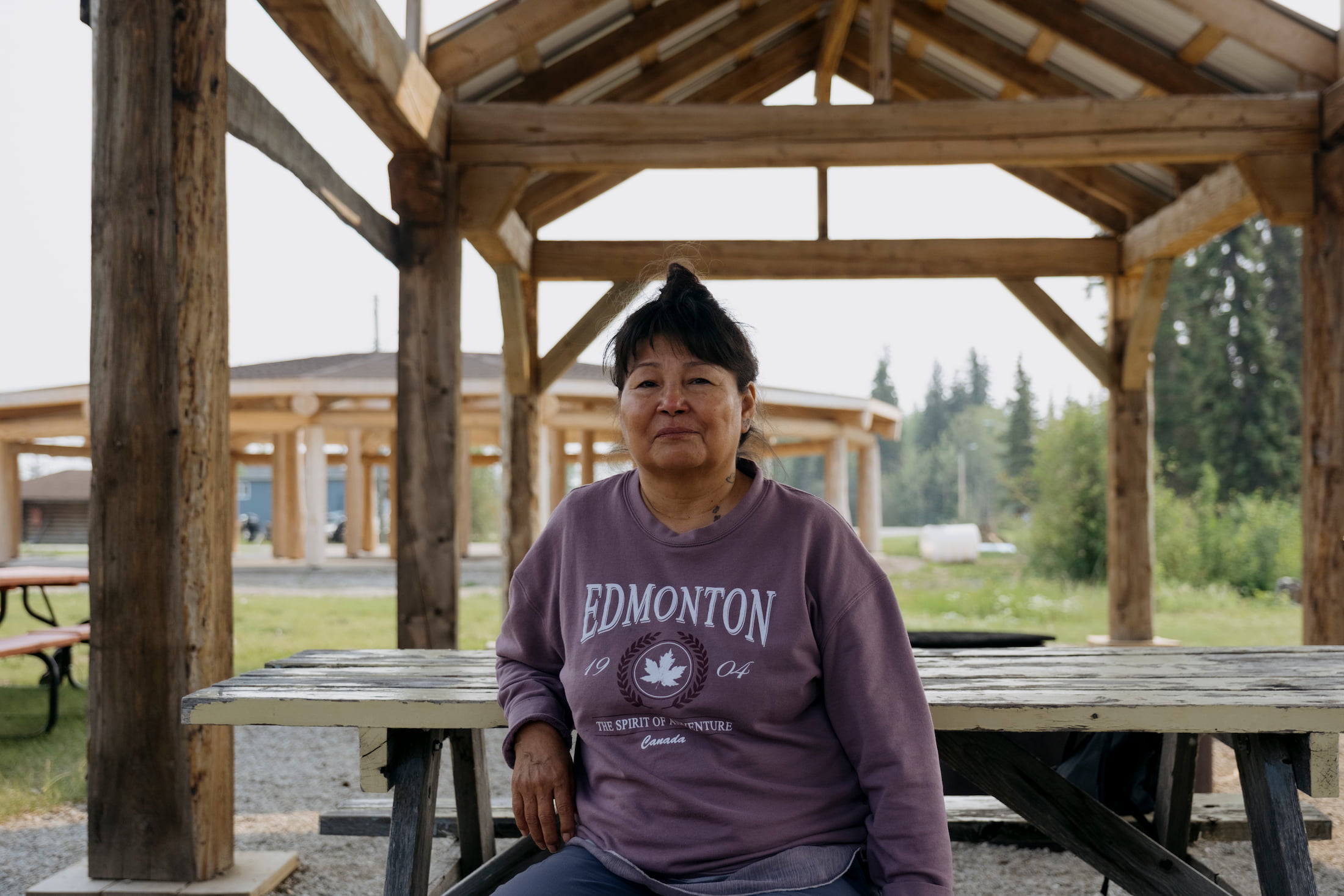
Ruby Simba (pictured), band manager for Ka'a'gee Tu First Nation, buys her groceries in Hay River or will make summertime trips “down south” to High Level, Alberta and bring back a cooler full of food.

“We don’t have any stores, but we’re not trapped – we have an all-season road,” says Simba, which is not a given in remote parts of northern Canada. Food prices have become “ridiculously high,” she says, along with the cost of gas to drive back and forth.

“Living here, you have to learn how to ration your food, your money, your gas, your water. We get water delivered from Hay River twice a week.”

With resources in short supply, community support is essential. Kakisa residents look out for one another.

“We have Chris who fishes, my brother who hunts moose,” says Simba. “They’re always sharing their food with us. When my brother shoots a moose, he gives a piece of meat to everyone so everybody has enough to eat.”

Full-width image

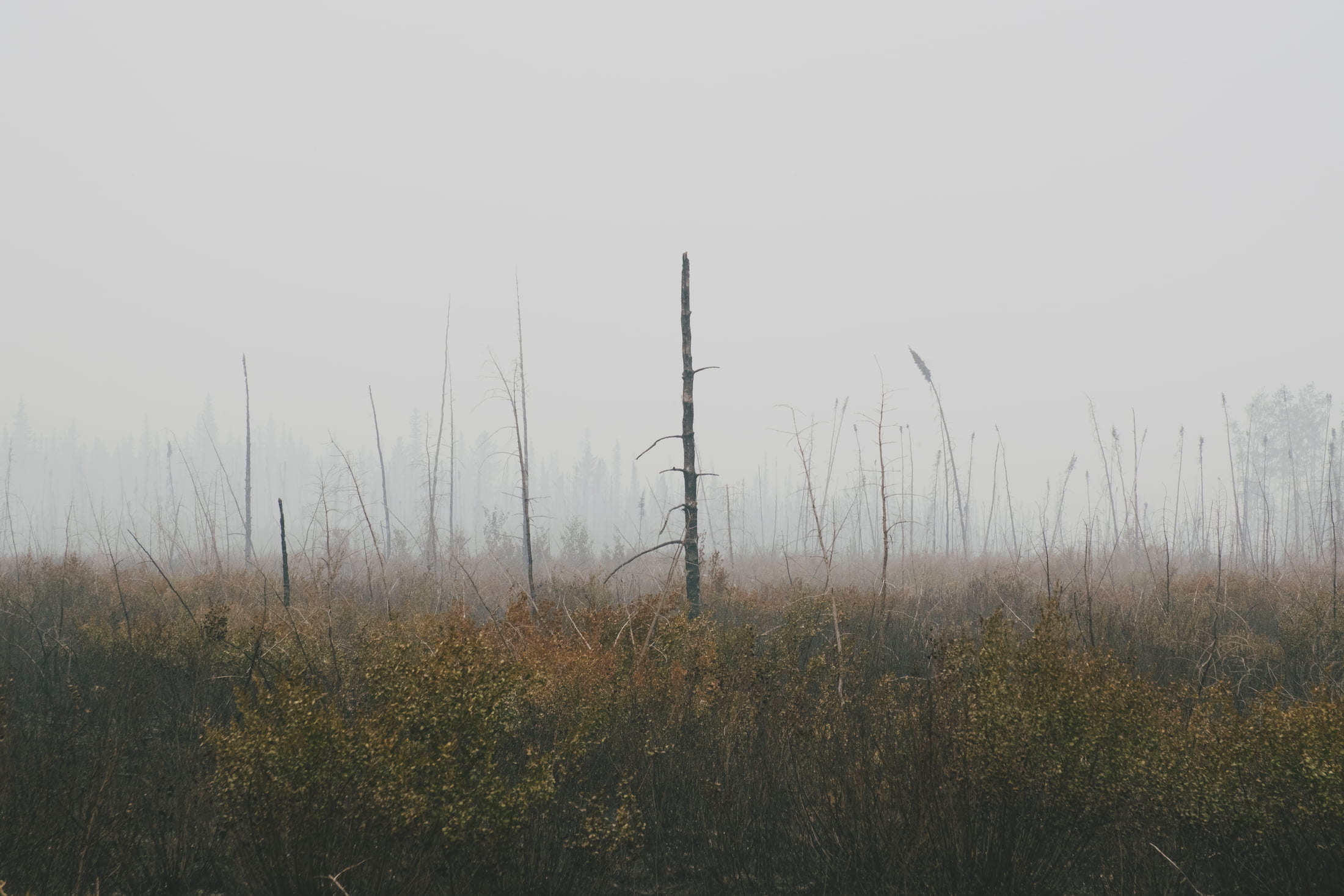
Living off the land is the foundation of the community’s food system but has become increasingly difficult as the effects of climate change rapidly alter ecosystems. Northern Canada is warming approximately three times faster than the global average. Wildfires and low water levels are making hunting and fishing more challenging in Kakisa.

“We only have two Elders in our community now and they are both in their 80s,” says Simba. “They say that in all the years they have been here, they have never seen anything like this. No water flowing, all the fires that are going on – it’s way different, they say.”

Full-width image

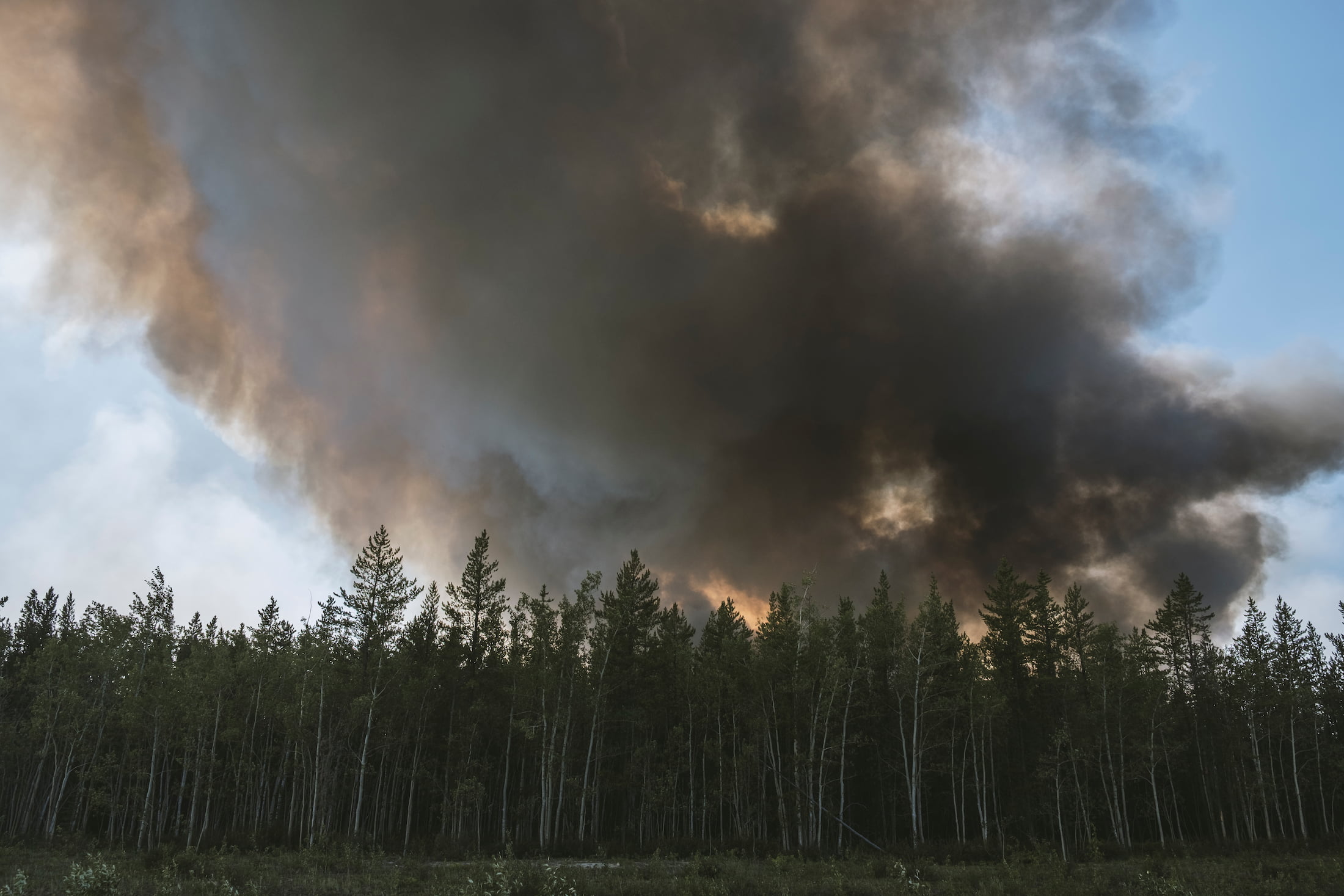
Kakisa was evacuated in August 2023 during the Northwest Territories’ most destructive wildfire season on record. But it was during the 2014 fire season – second only to 2023 in its destruction – when residents first felt the urgency of climate change.

“We just about lost the community,” says Chief Lloyd Chicot.

After such a close call, Chicot and his neighbours knew it was time to act. They contacted a then PhD student at Laurier, Andrew Spring, and invited him to come and strategize how Kakisa could be resilient and self-sufficient amid a changing climate.

Full-width image

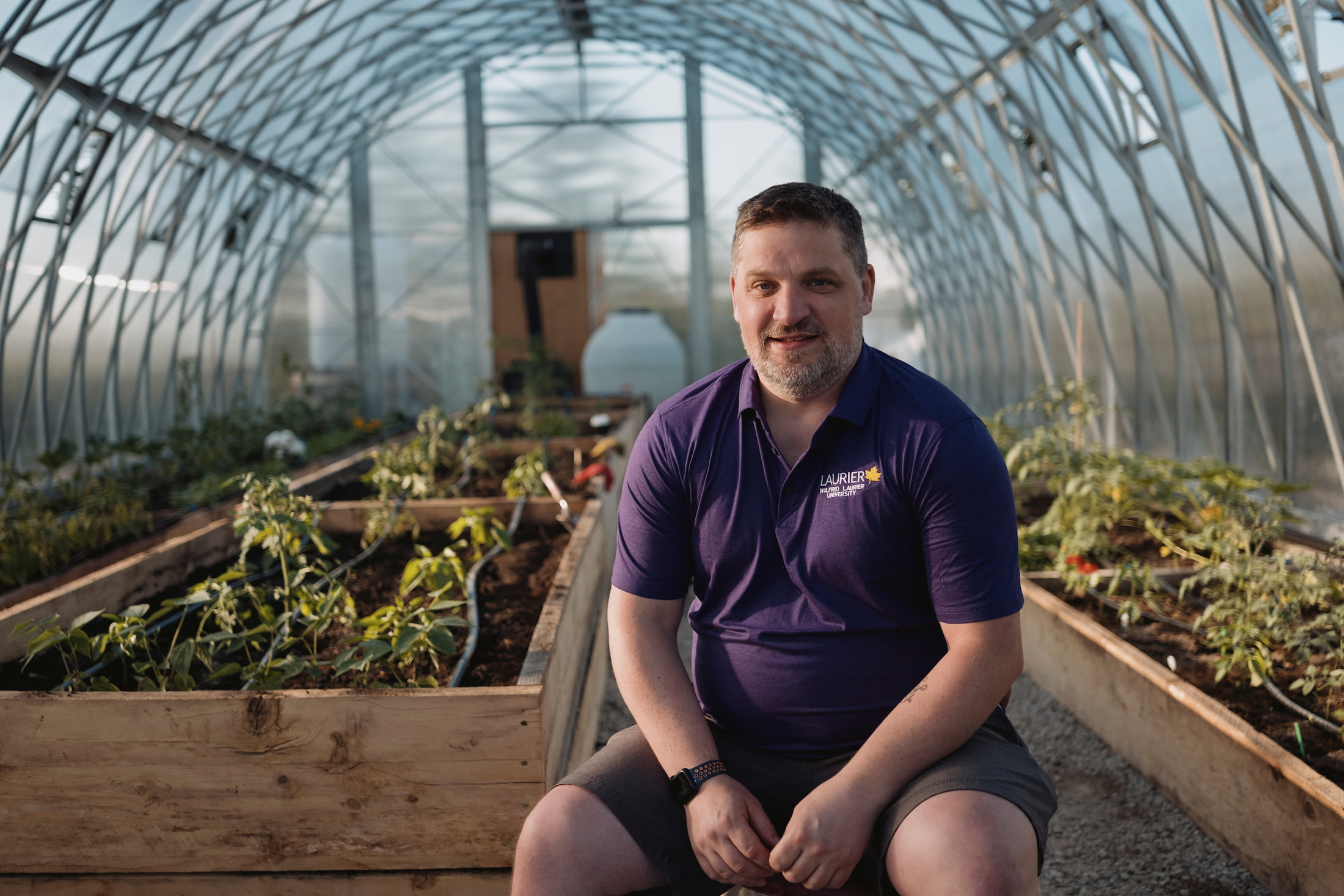
Spring (pictured), now an assistant professor of Geography and Environmental Studies and the Canada Research Chair in Northern Sustainable Food Systems, remembers his first trip to Kakisa in 2014 as an “eye-opening experience.”

“I was a plucky, young student thinking that I could come and tell them about climate change,” he says. “I discovered that the people were passionate and already knew what they wanted to do. They just needed someone to help them.”

Spring helped organize a workshop, interviews and community meetings. He asked people how climate change was affecting them and what they wanted to do about it. They were “more than willing to share.”

Full-width image

“Most of what we heard centred around food security,” says Spring. “Climate change was affecting their ability to harvest traditional foods and was therefore affecting their health and well-being.”

The community gave Spring a “whole laundry list” of initial goals, including growing food, setting up recycling and composting programs, and engaging local youth. Together, they developed a climate action plan and got to work.

Full-width image

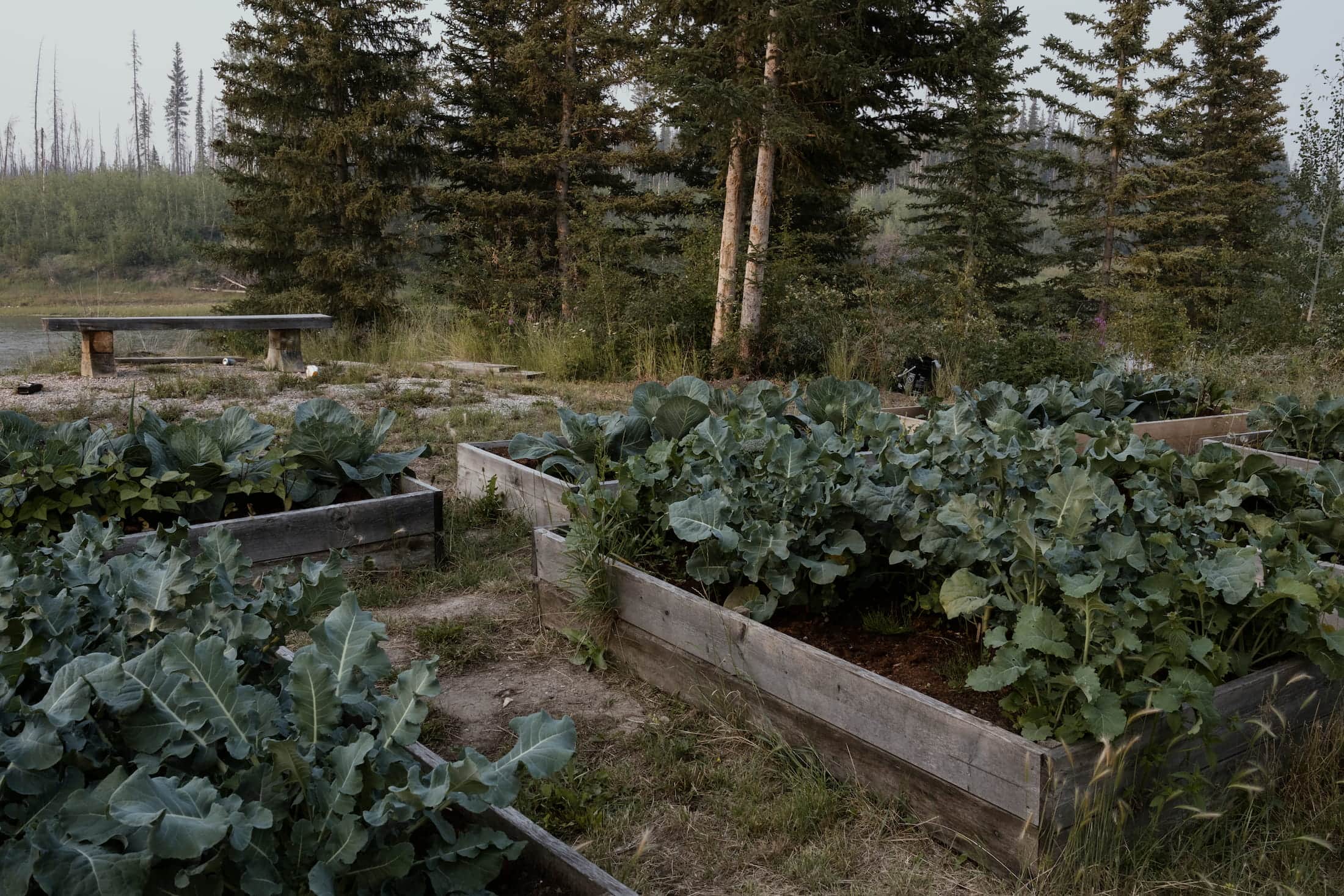
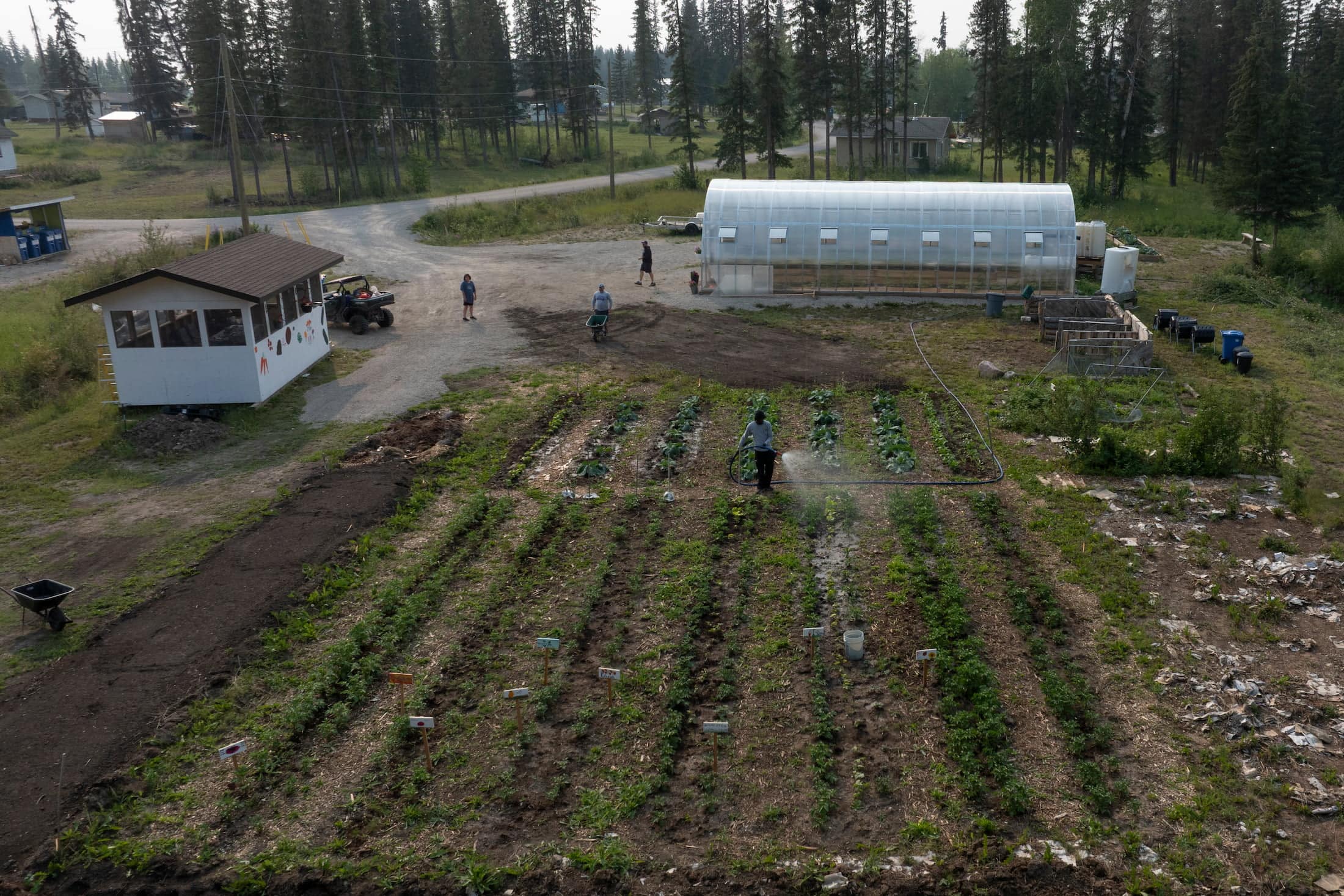
Growing food in northern Canada is not easy. A short growing season, poor soil quality and lack of infrastructure make agriculture difficult, so the Kakisa community decided to start small. In 2015, they built four garden boxes beside the Kakisa River.

“That first summer, we grew sad little radishes and maybe a few flowers,” says Spring. “But at least we grew something. That was really important because the community said they wanted this to happen and we made it happen. It seemed to help people trust that we were there to help.”

The following year, the project expanded to eight garden boxes and a few berry patches.

“At the end of the season, we gave the Elders some of the vegetables we harvested and they essentially said to us, ‘You’ve been out here gardening all summer and this is all we get?’” says Spring. “It was a bit of a wake-up call. I realized if we were going to have an impact on their food system, we needed to scale up.”

Full-width image

To be successful, Spring knew they couldn’t just transplant agricultural practices from southern Canada. Aside from the environmental differences, “there is so much more at stake here in terms of the boreal forest, Indigenous culture, land stewardship and sovereignty,” he says.

In 2019, Spring and Chief Chicot (pictured) travelled to southern Brazil as part of the Laurier Centre for Sustainable Food System’s Food: Locally Embedded, Globally Engaged (FLEdGE) project. The international partnership fostered knowledge sharing on sustainable food practices across the globe.

“Lloyd and I saw firsthand how Brazilian communities were taking care of their land and forest while also growing food,” says Spring. “It was kind of an ‘a-ha’ moment when we looked at each other and said, ‘We could do this up North.’ We came back to Kakisa and started thinking differently about what agriculture can look like.”

Full-width image

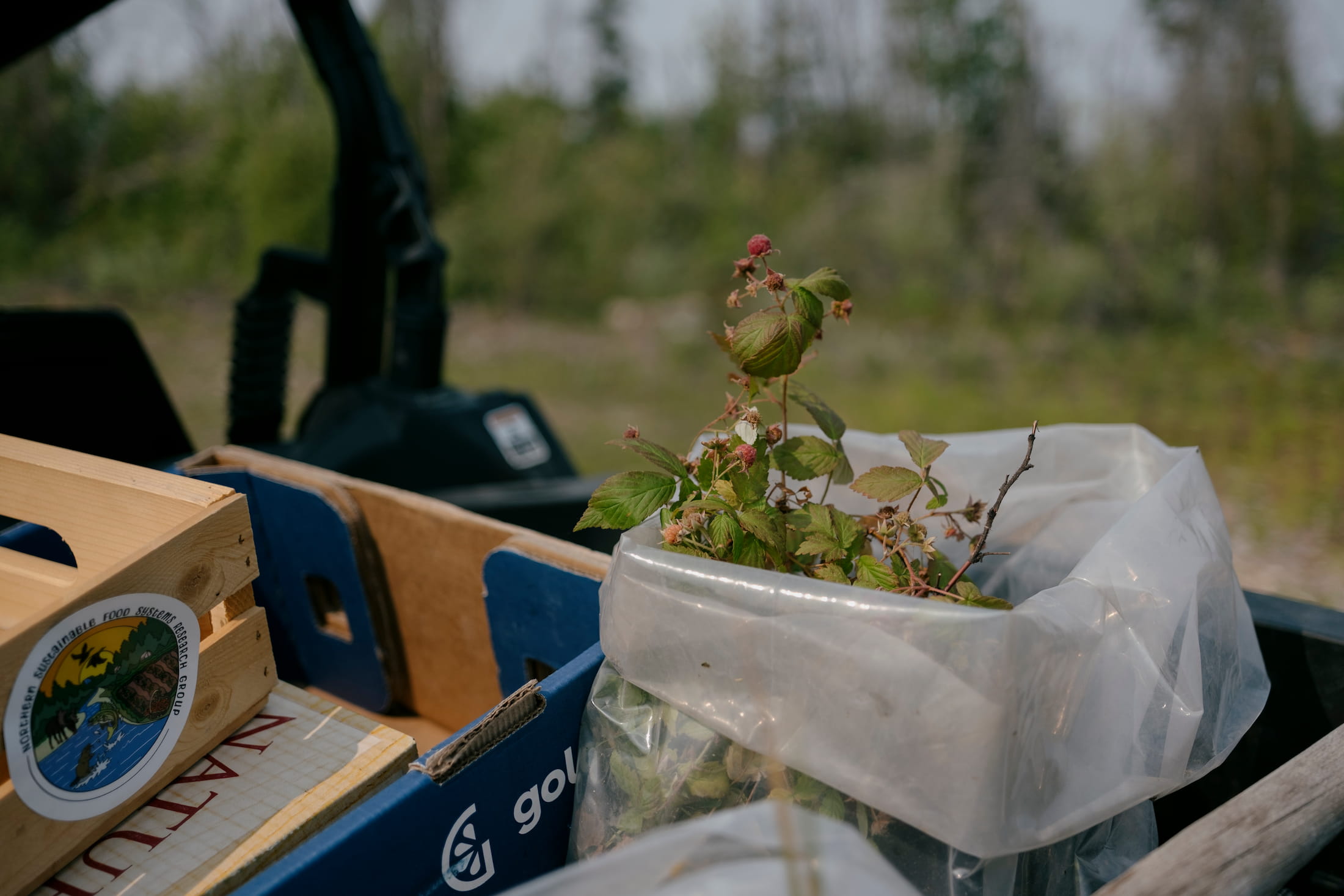
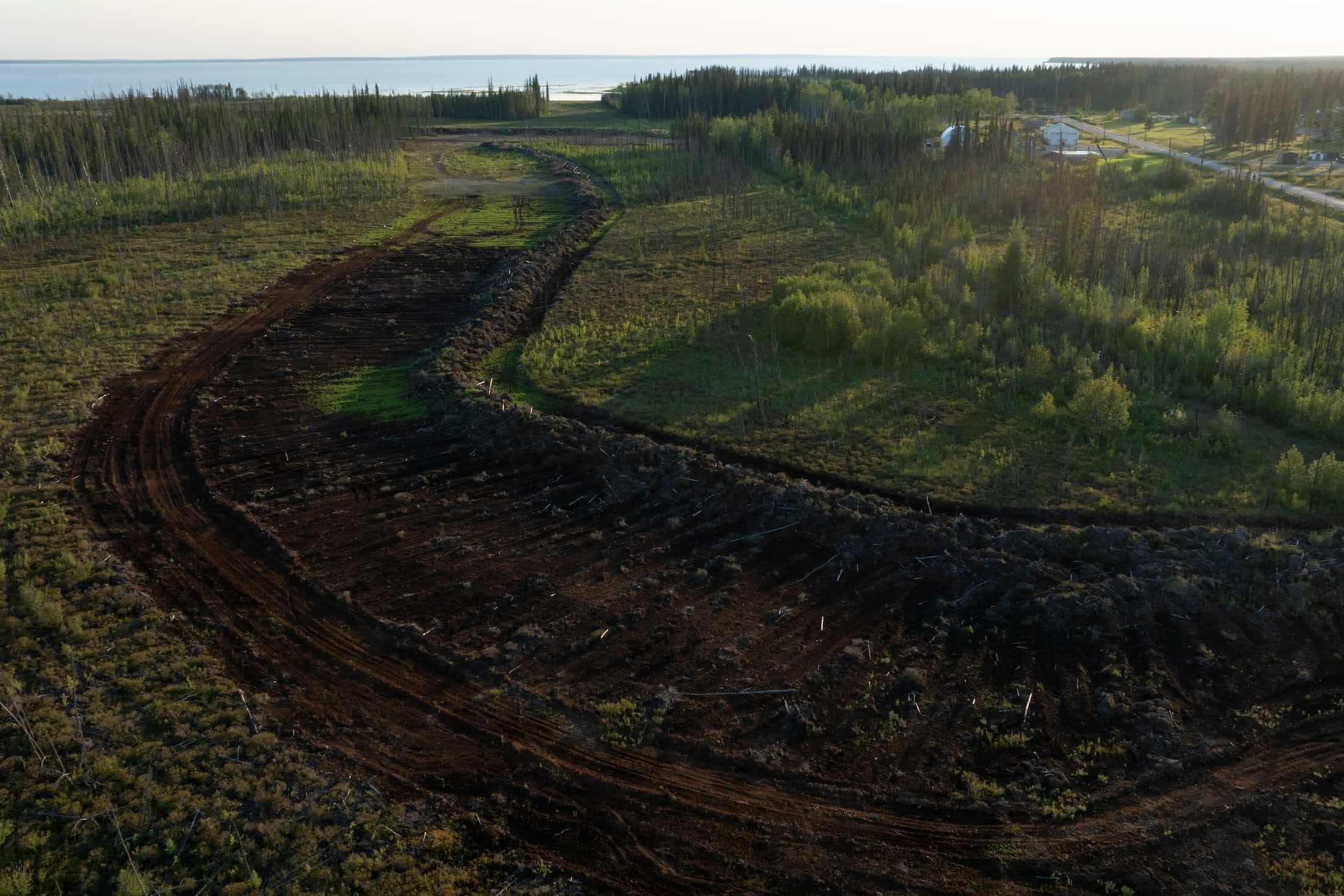
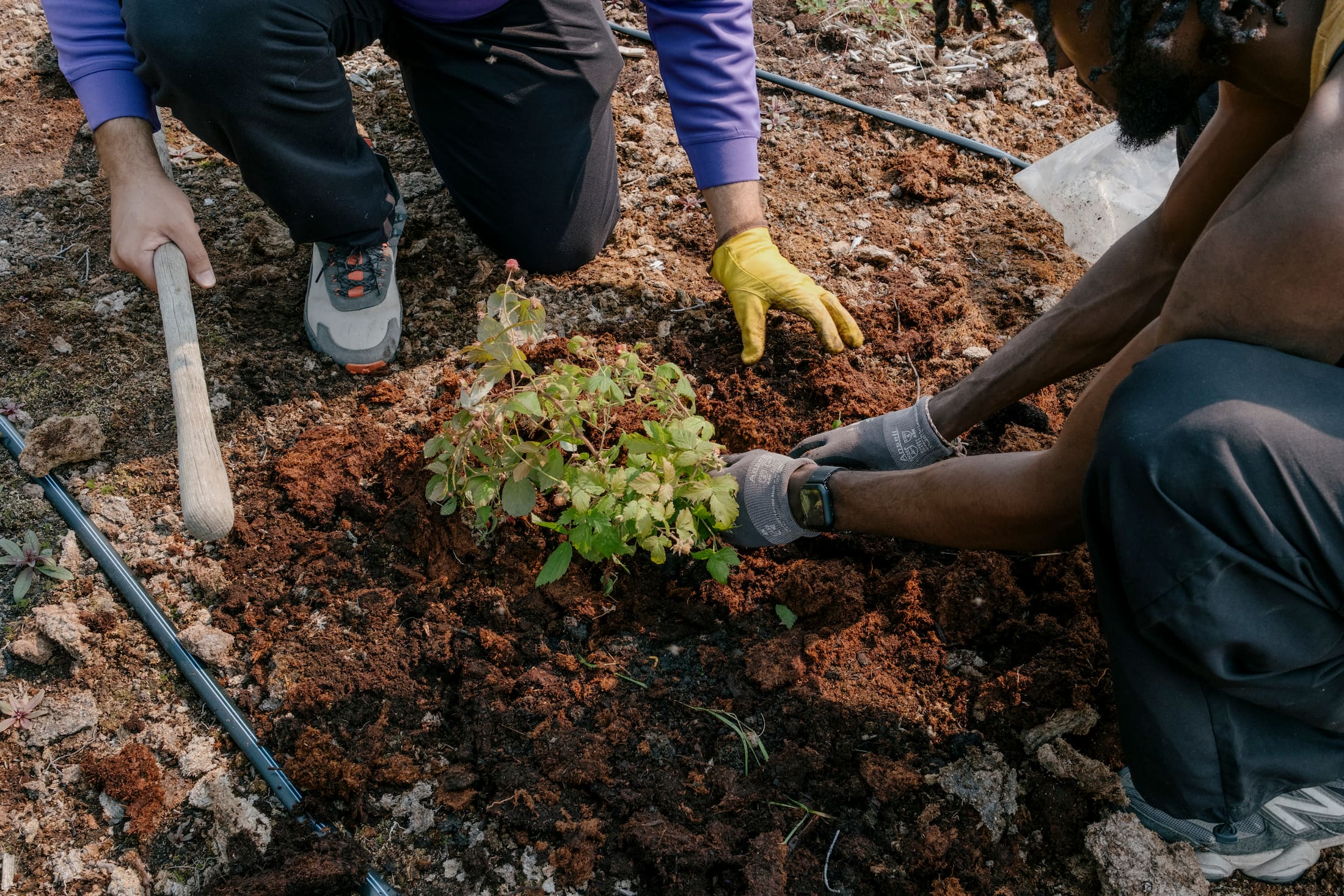
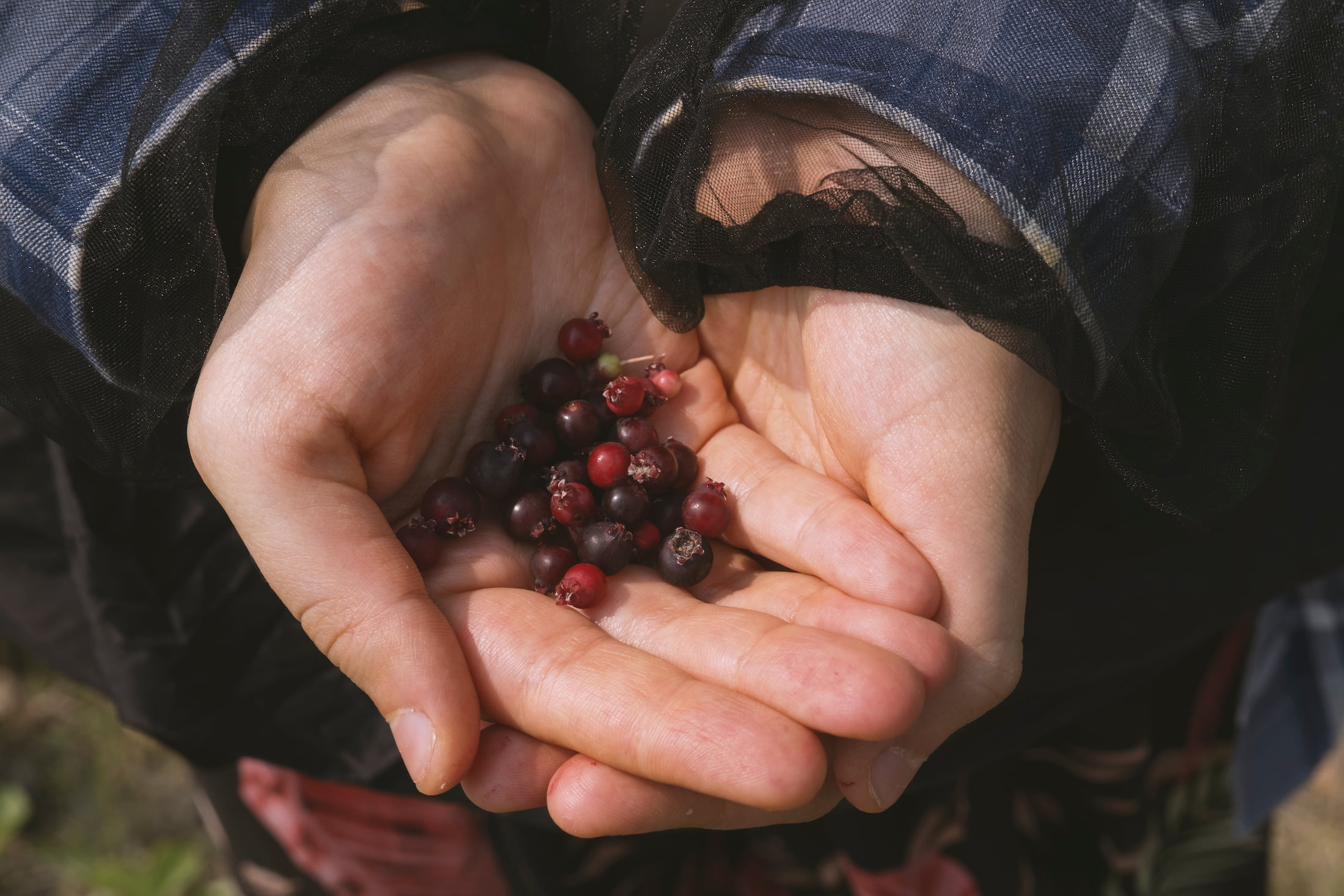
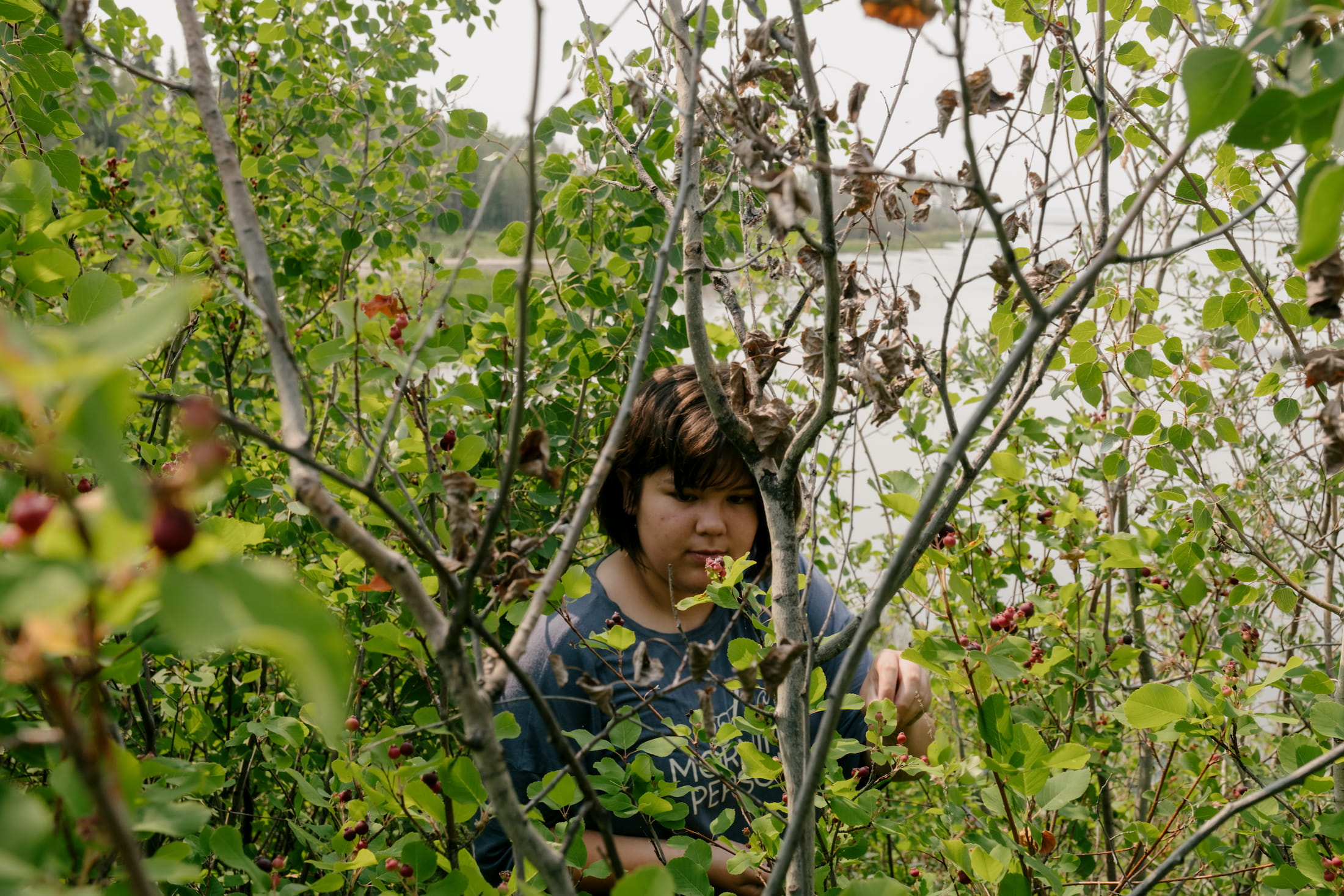
Spring and Chief Chicot began incorporating values of the local Dene people and elements of the forest into garden planning. For example, the community is constantly clearing wood and debris from past fires to create new trails and widen firebreaks – strips of open space surrounding Kakisa to slow the spread of future fires. Wood chips are reused in the garden and logs are buried to soak up water and retain moisture. Firebreaks are even being used to grow native berry plants that have been slow to return after fires.

Full-width image

One of the community’s initial goals was to divert waste through a composting program. With the support of the Laurier team, Kakisa now has curbside compost collection, converting food and fish waste directly into nutrient-dense soil.

“We took a problem – ‘What do we do with all of this waste?’ – and turned it into a way to generate more food for the community,” says Spring.

Full-width image

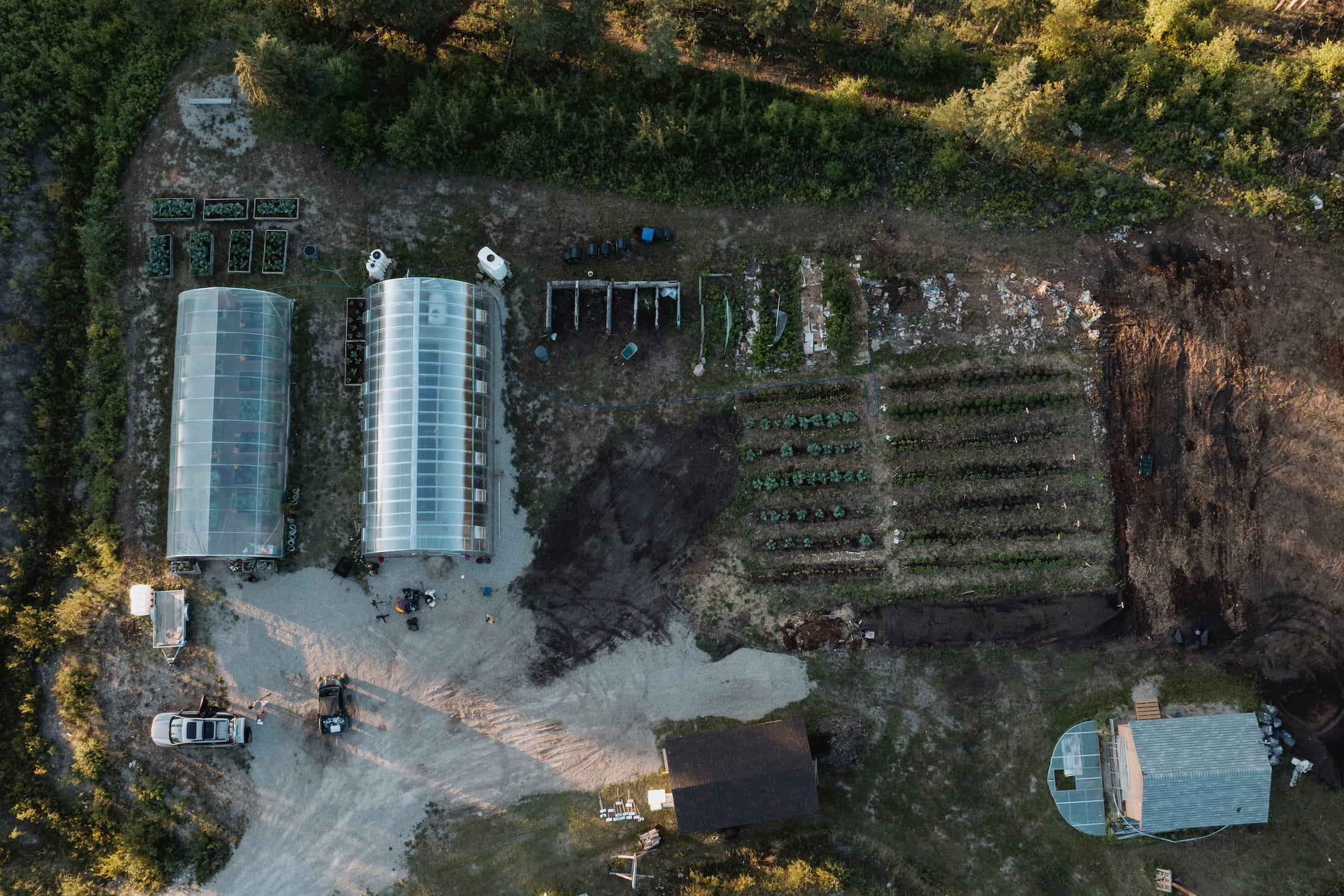
This regional, culturally relevant approach has enabled Kakisa to steadily grow its food production over the past decade. With two greenhouses and numerous outdoor vegetable plots, Spring believes Kakisa’s operation has become one of the largest in the Northwest Territories.

“We’re actually growing a substantial amount of food, which is pretty amazing considering where we started,” he says.

Full-width image

Chief Chicot says the partnership with Laurier is enabling his community to achieve its goals at a much greater scale than it could have alone.

“A lot of stuff that needed to happen wasn’t happening because we’re isolated and can only do so much by ourselves,” says Chicot. “Forming these relationships allows us to look at different ideas and do a lot of things we otherwise wouldn’t.”

Full-width image

“We think about our work as reconciliation in action,” says Spring. “We try not to be academics who come and work on tight deadlines and focus on publishing our papers. We ask the community to point the direction of our research and we amplify their voices.”

Kakisa’s vision for local food security was validated during summer 2023 when nearby towns evacuated due to advancing wildfires. Before eventually leaving themselves, Kakisa residents were left with even less food access than usual.

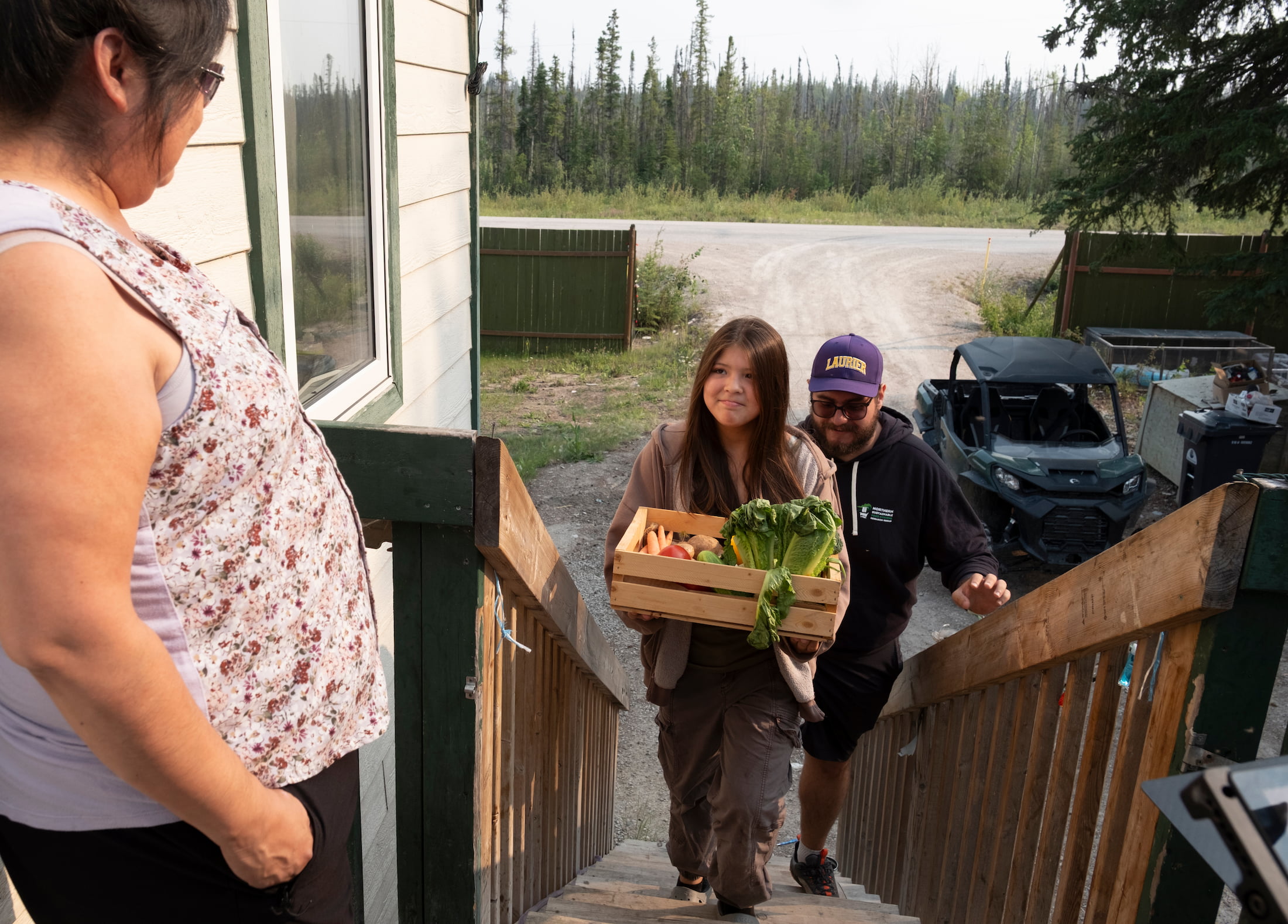
“When the other communities evacuated, the garden came in really handy,” says Chicot. “The Laurier students who were living here provided each household with fresh vegetables. It was inspirational.”

Full-width image

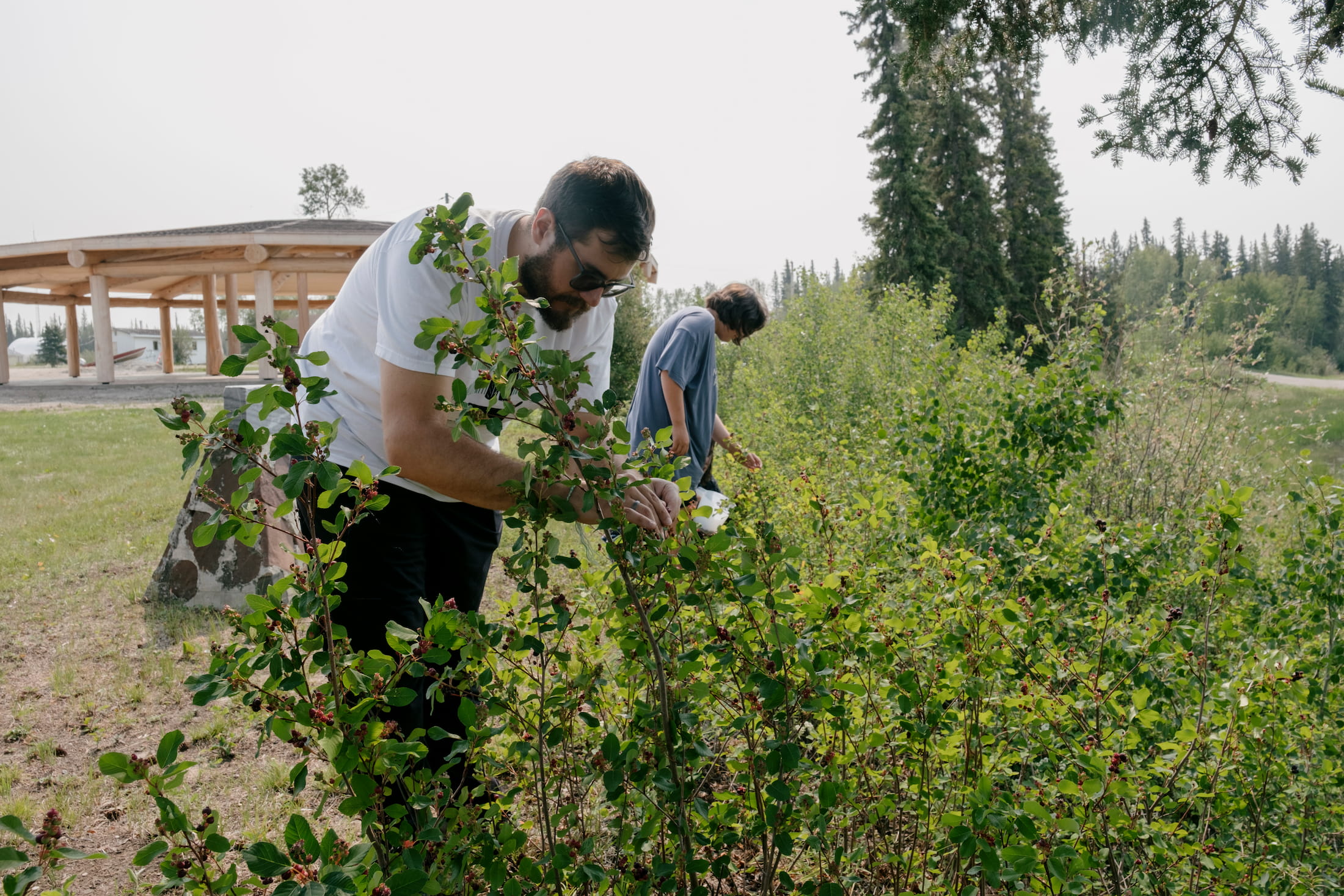
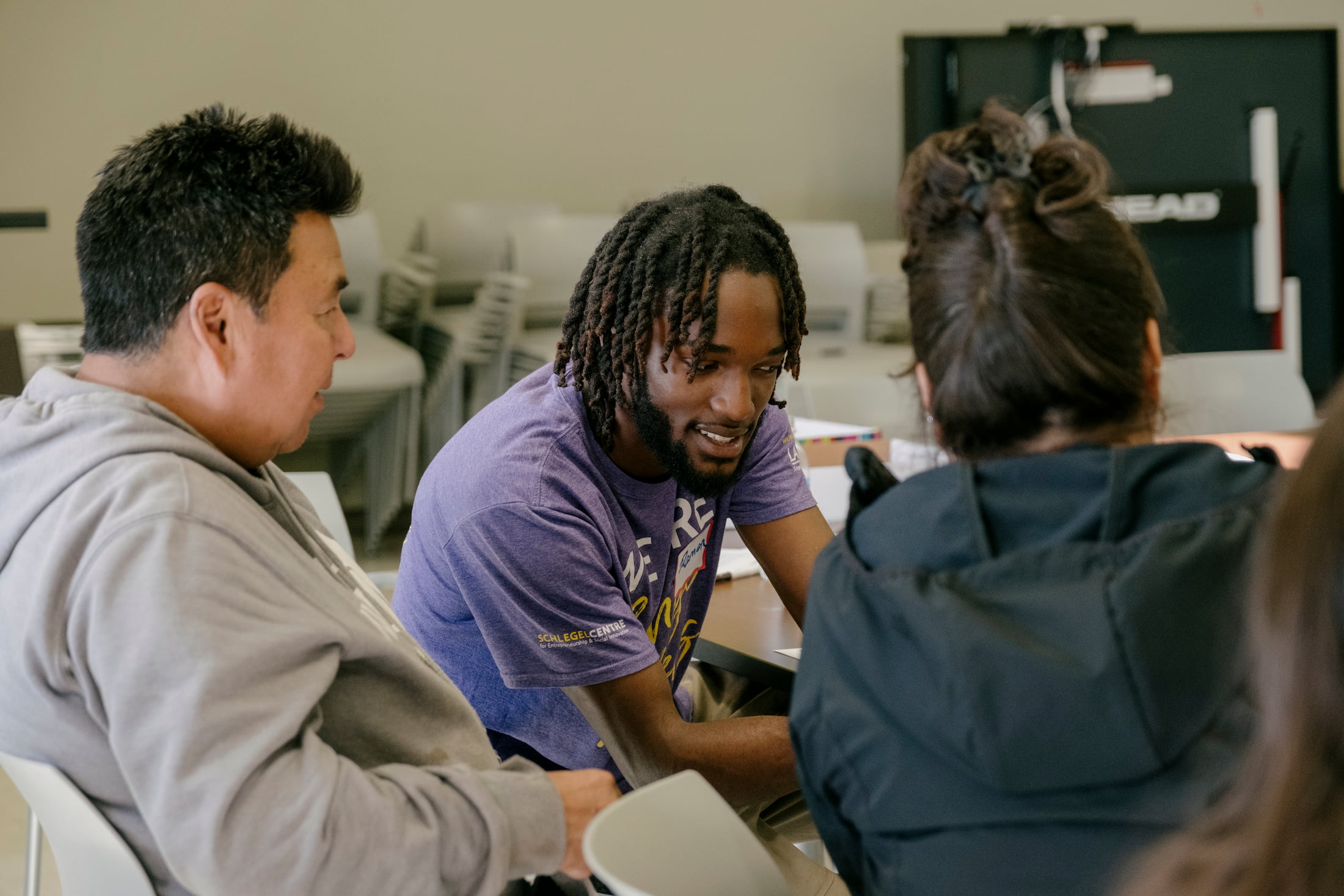
Every summer, Laurier students live in Kakisa and play an integral role in the day-to-day operations of the garden.

“Part of truth and reconciliation is learning about Indigenous peoples across Canada, and here our students are immersed within the community,” says Spring. “Students learn a lot about the issues that communities face, while also helping find solutions to significant, pressing challenges in the North.”

Calin Lazarescu (pictured) is completing his PhD in Geography under Spring’s supervision and has spent his last two summers in Kakisa. He is studying how public policy can better support Indigenous food sovereignty.

“The biggest thing I’ve learned is how important it is to spend time in the community building relationships so we can do the type of research people want,” says Lazarescu. “Not the type of research we want; the type of research that the community wants and needs.”

Full-width image

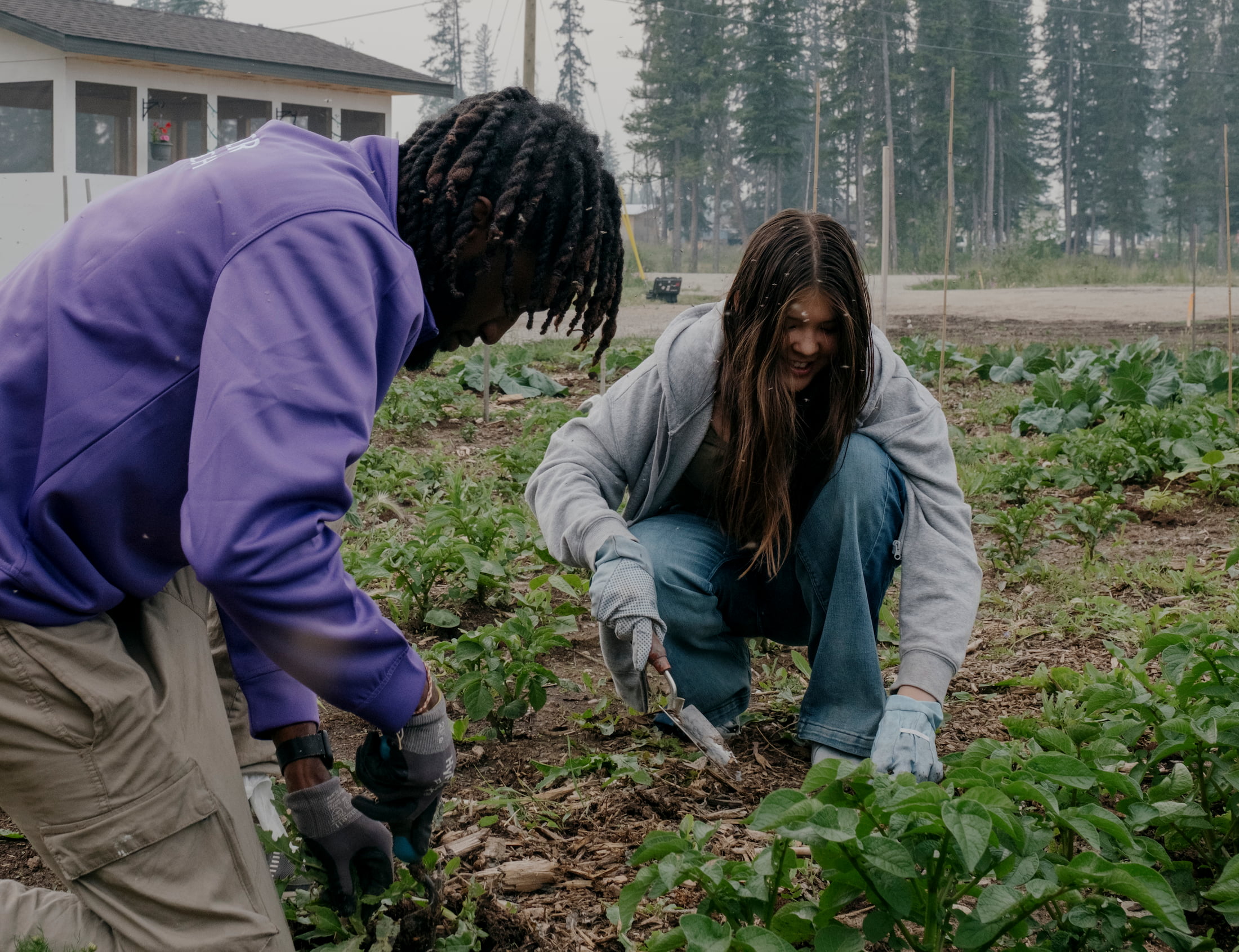
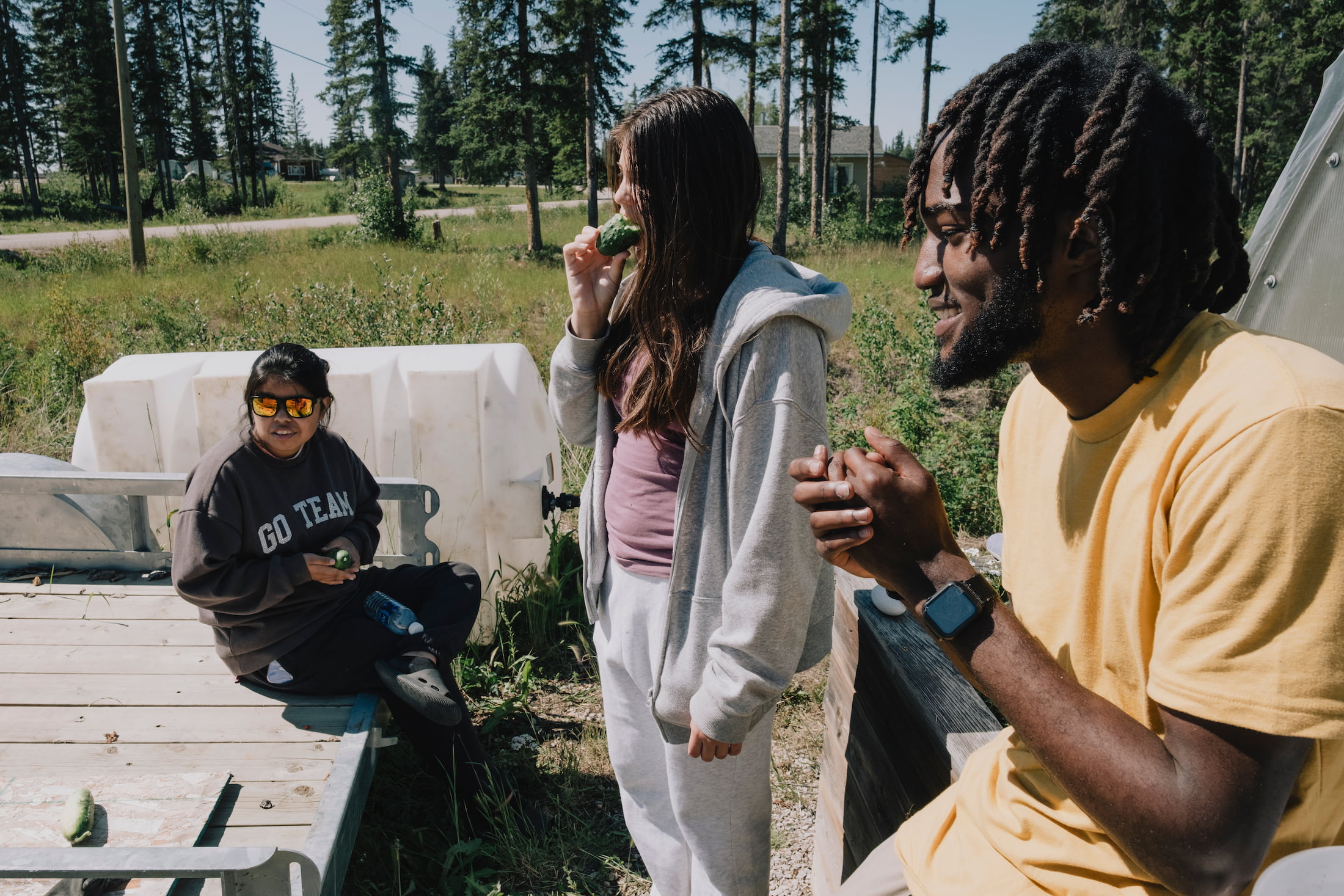
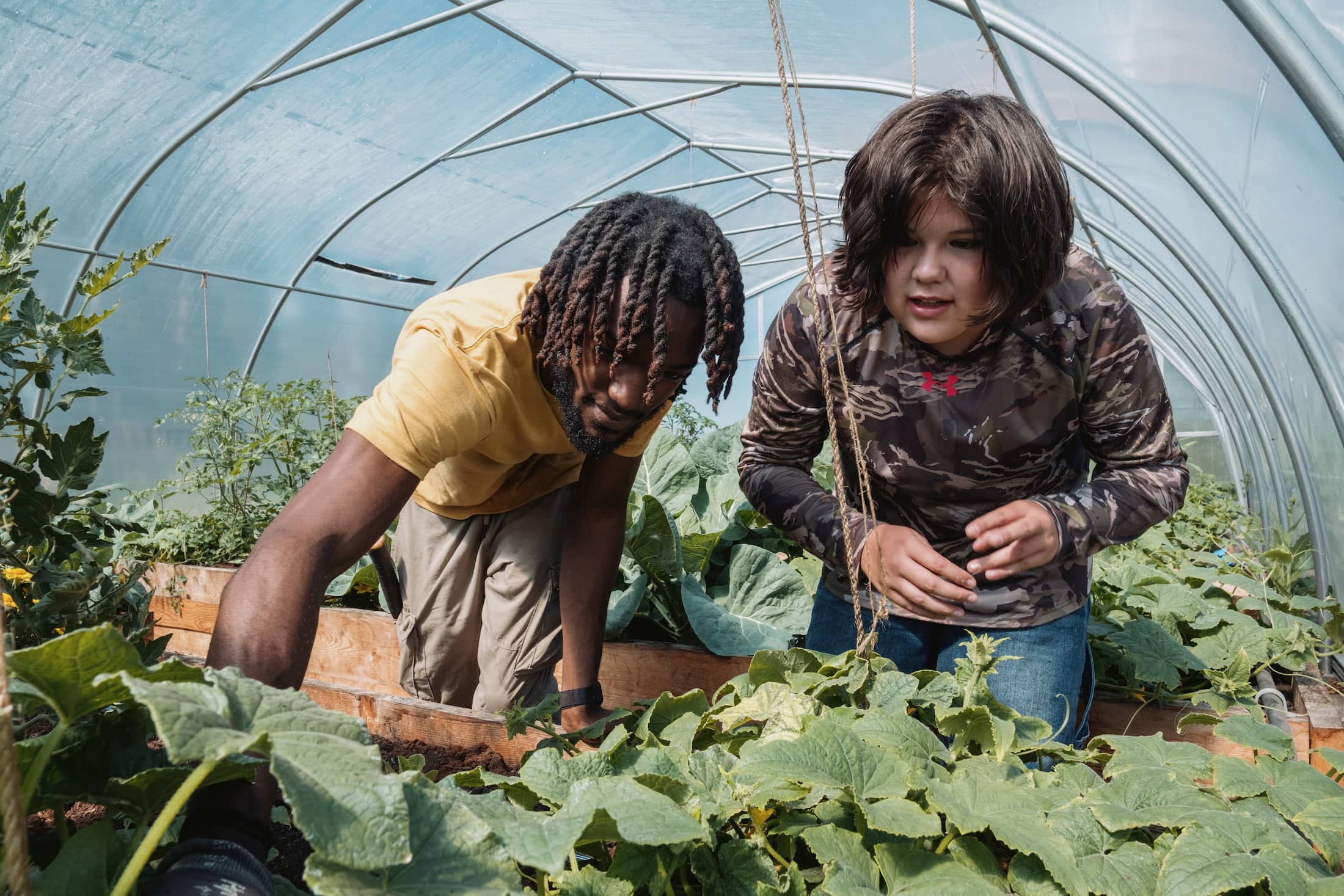
“I feel nostalgic when I’m gardening,” says Ramon Smikle (pictured, left), a third-year Health Sciences student at Laurier. Digging in Kakisa soil takes him back to his childhood in Jamaica, working in the backyard with his mom.

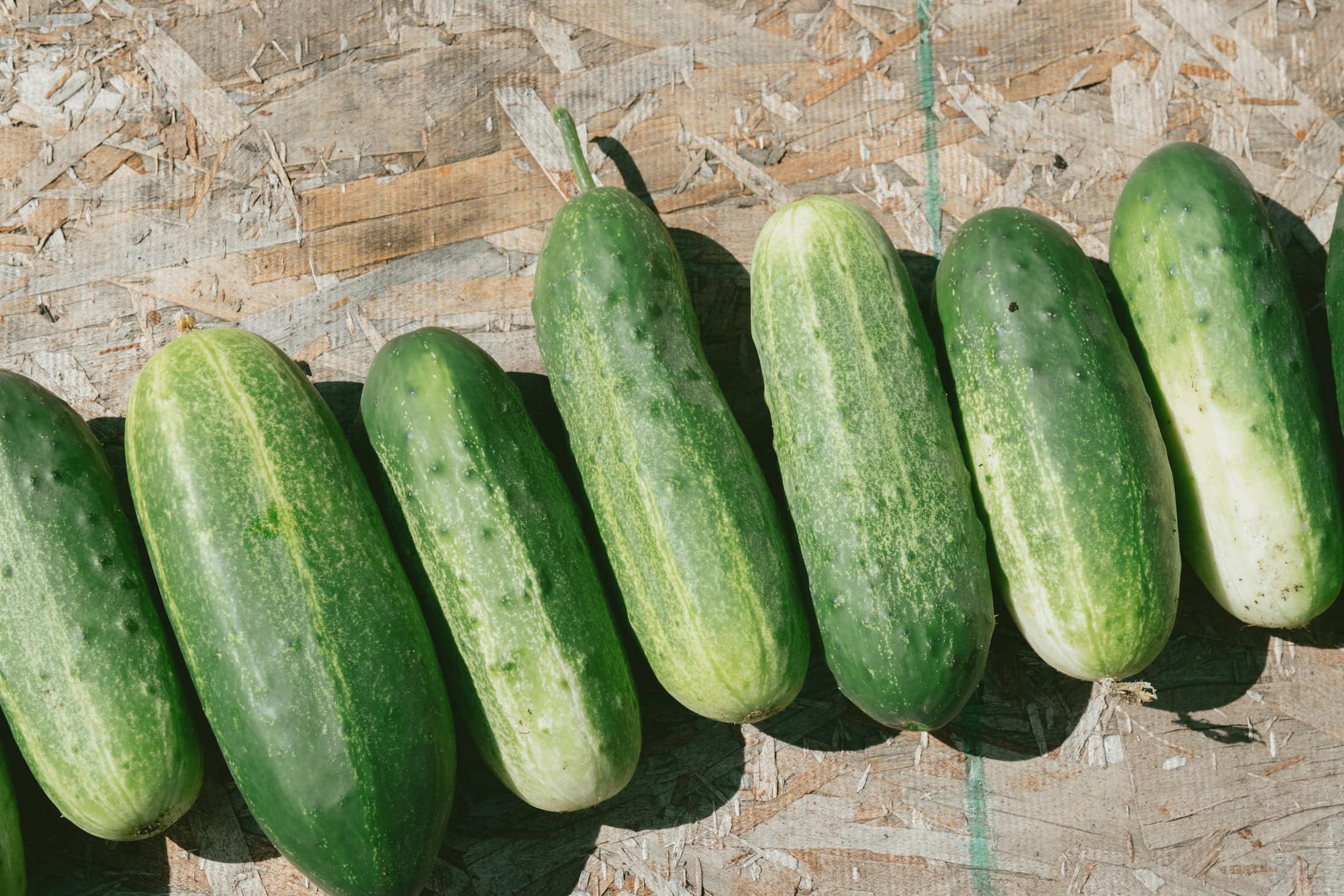
Knowing how impactful those early experiences were, Smikle is finding fun ways to teach Kakisa’s young people about growing and harvesting. Chloe Chicot-Palmer (pictured, right) gets most excited to pick cucumbers, her favourite vegetable.

“When I first arrived, the kids would run away from me,” says Smikle. “But once they continued to see my face and we had time to build trust, we broke through those walls of shyness and now they’re very energetic and outgoing. They’re eager to show us spots to pick berries and we’re teaching them tips and tricks in the garden.”

Full-width image

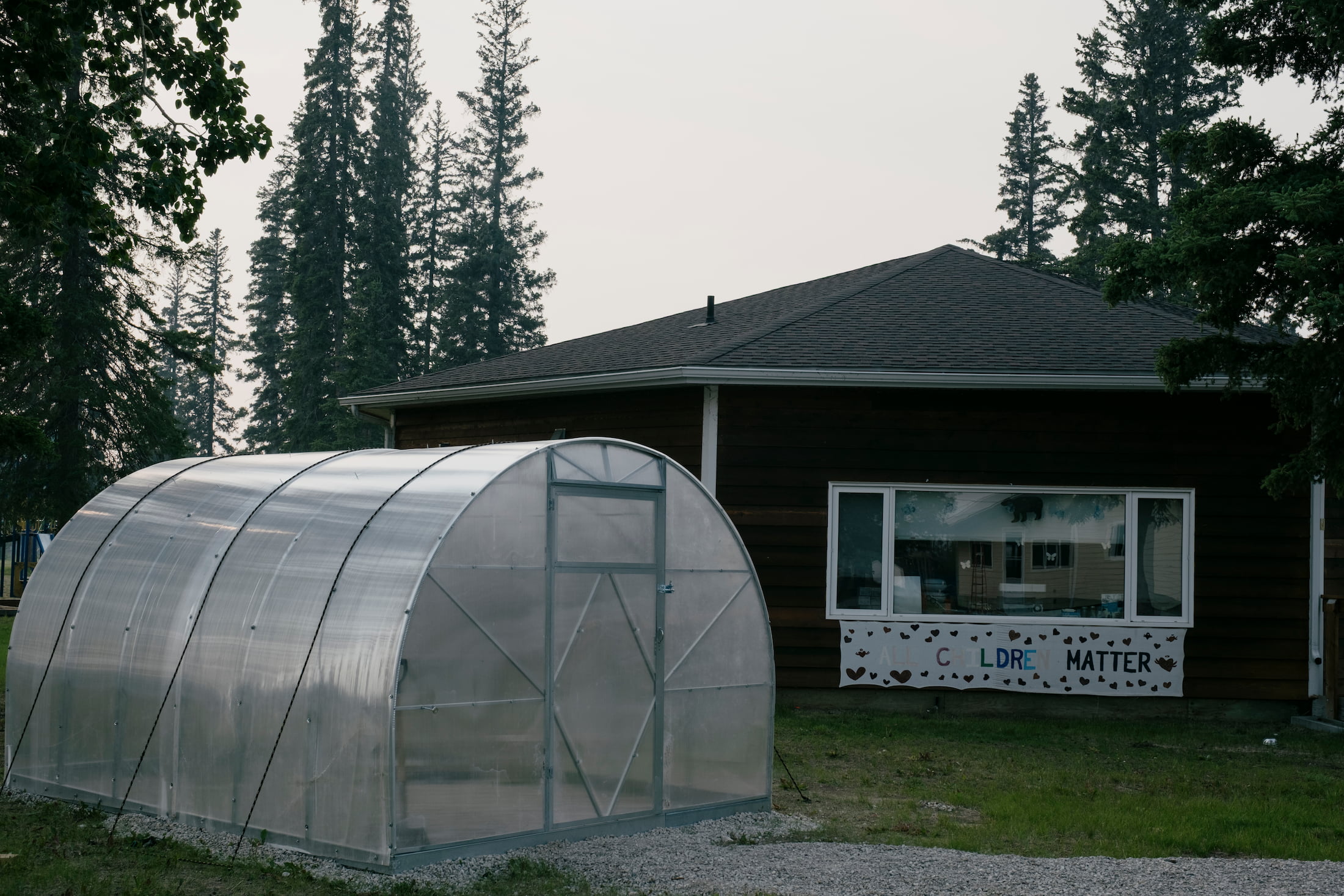
The Laurier team built a small greenhouse just steps outside of the local school, which currently has six children enrolled. With the ease of accessibility, Smikle is hopeful gardening can be incorporated into the curriculum.

Full-width image

Engaging young people with the garden is a core strategy for its longevity.

“Early on, the community asked us to include youth in as many aspects of our work as possible,” recalls Spring. “We want children to feel connected to their food system and know that when they are working in the garden, they are providing food for their family and playing an important community role.”

Full-width image

The hope is to build skills and inspire garden “champions” who will take on leadership roles, fostering greater community involvement. Spring and his students have encountered some apathy and resistance from older generations.

“Community engagement ebbs and flows,” says Spring. “It’s understandable. There have been fires and the passing of Elders and community members over the past few years. And food production is still quite new. It’s not for everybody. We’re introducing this element to the food system and still figuring out how it fits.”

Full-width image

Kakisa’s leaders see the benefits of the gardening initiative but have been disappointed by the lack of community participation.

“We have this garden project in place for our people and a lot of work has gone into it, but I don’t know why the people themselves don’t walk down the road and say, ‘I’m going to do some watering’ or go check on the potatoes,” says Simba. “We have to ask them, I guess. ‘Why are you not helping with the garden?’ This is your garden.”

Lazarescu’s research addresses this head on. He is gathering community input to evaluate the impact of the program.

Full-width image

Based on conversations with neighbours, Simba wonders if some older people associate gardening with negative work experiences at residential schools. She also says addiction and digital devices have been an impediment to community building projects in general.

Looking back on her own youth, Simba says she found purpose through her work at the band office. Seeing kids spend time with Laurier students in the garden gives Simba hope that they, too, will find meaningful work to keep them occupied.

“When school is out and there’s really nothing for them to do, I think their parents are telling them to get out of the house and go do something at the garden.”

Full-width image

The Laurier team also supports annual on-the-land camps to help young people build stronger connections to their heritage and homeland. Over the course of a week, 12 to 15-year-olds and their families learn from Elders, community members and graduate students about traditional knowledge, hunting and how to get involved in environmental science.

“We need to educate young people about our history and some of the things the community has been through,” says Chicot. “Some of the older people went through the residential school system but have never really talked about it. One of the things they wanted to do was have these camps.”

Full-width image

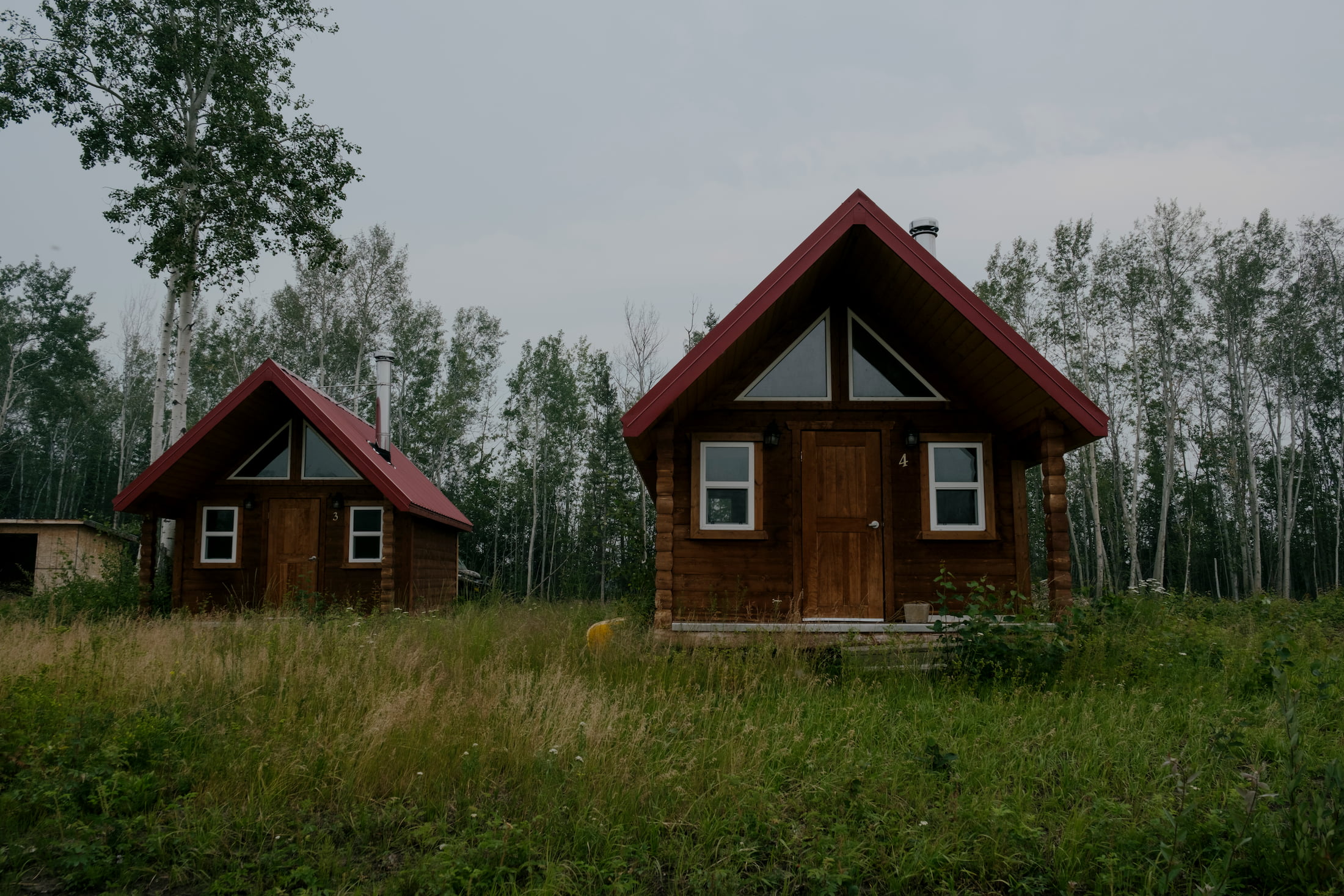
Chief Chicot says the camps are often “pretty emotional.” They typically take place down river from Kakisa where community members built cabins using logs from past wildfires. As the wage economy drives youth to larger city centres, Chicot wants them to know they can always reconnect with the land.

“Although you no longer live here, it doesn’t mean you’re not part of the community,” he says.

Full-width image

Despite its growing pains, surrounding communities have taken note of Kakisa’s sophisticated gardening operation. Chief Chicot regularly hears from his peers wondering how to do something similar with their people.

In July 2025, Kakisa hosted a gardening workshop for its neighbours, co-facilitated by Laurier students and staff.

“We had a big turnout from other communities,” says Danielle Humphrey (pictured), a fourth-year Laurier undergraduate student. “They were excited to learn and share their knowledge.”

Full-width image

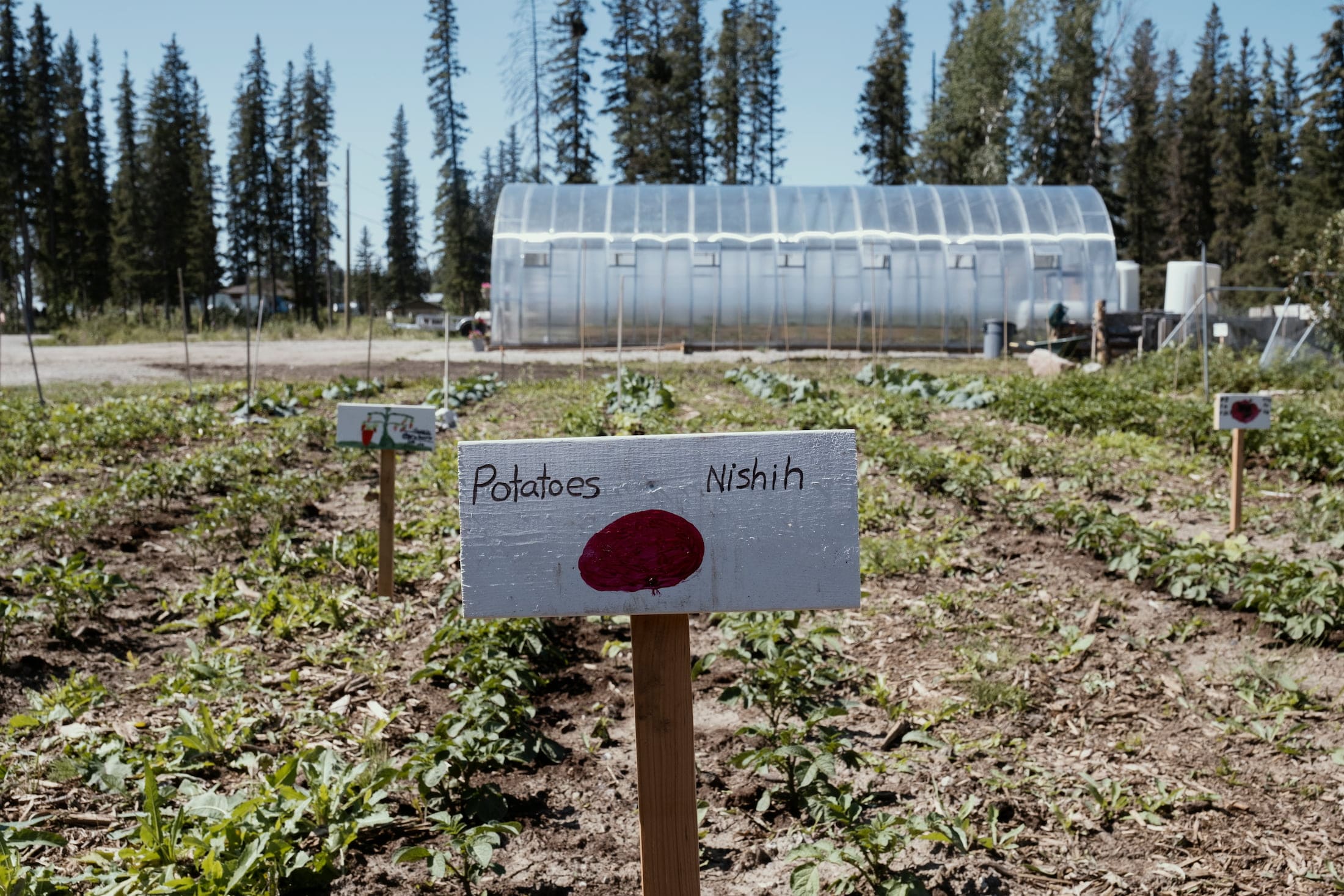
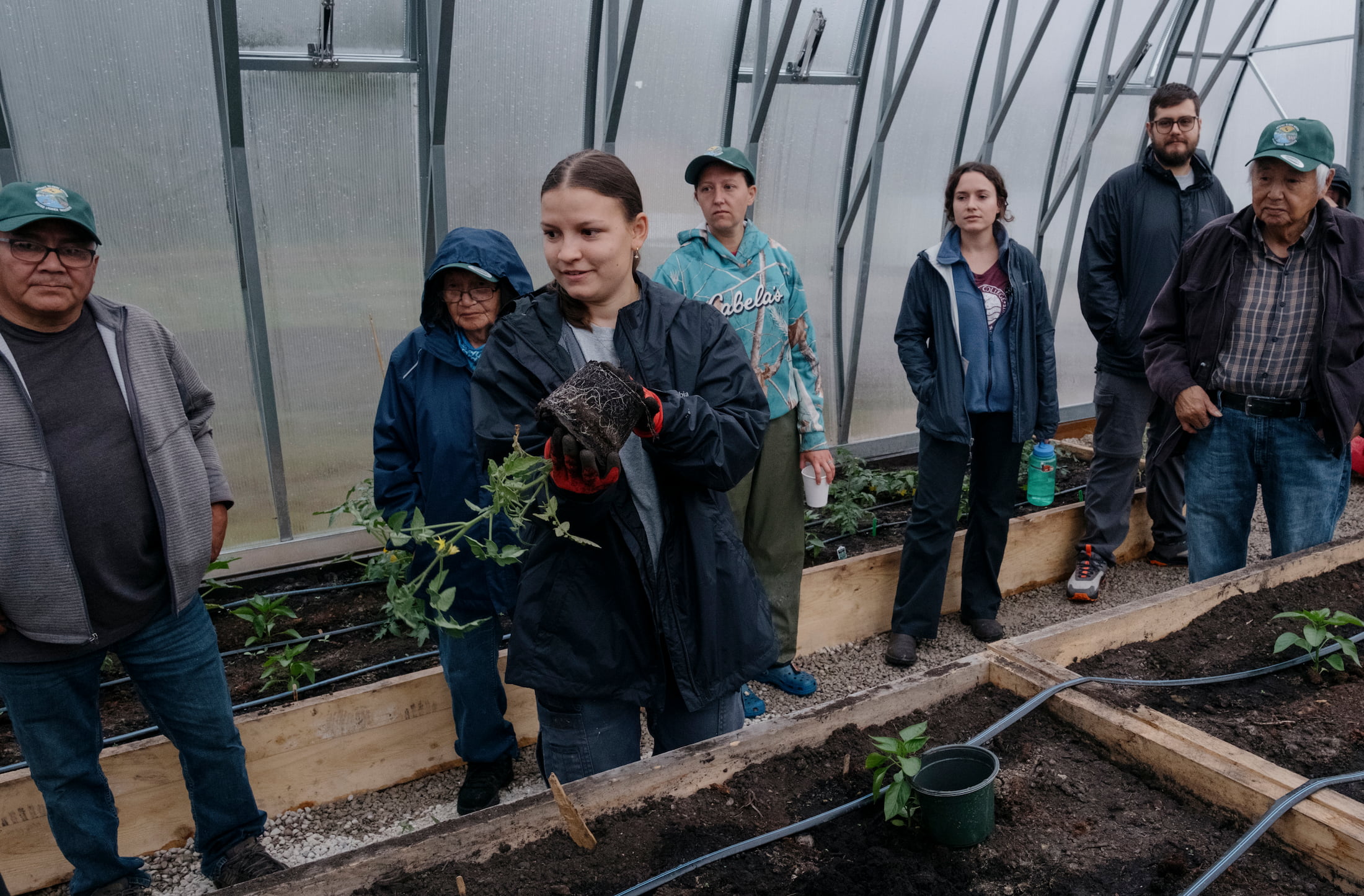
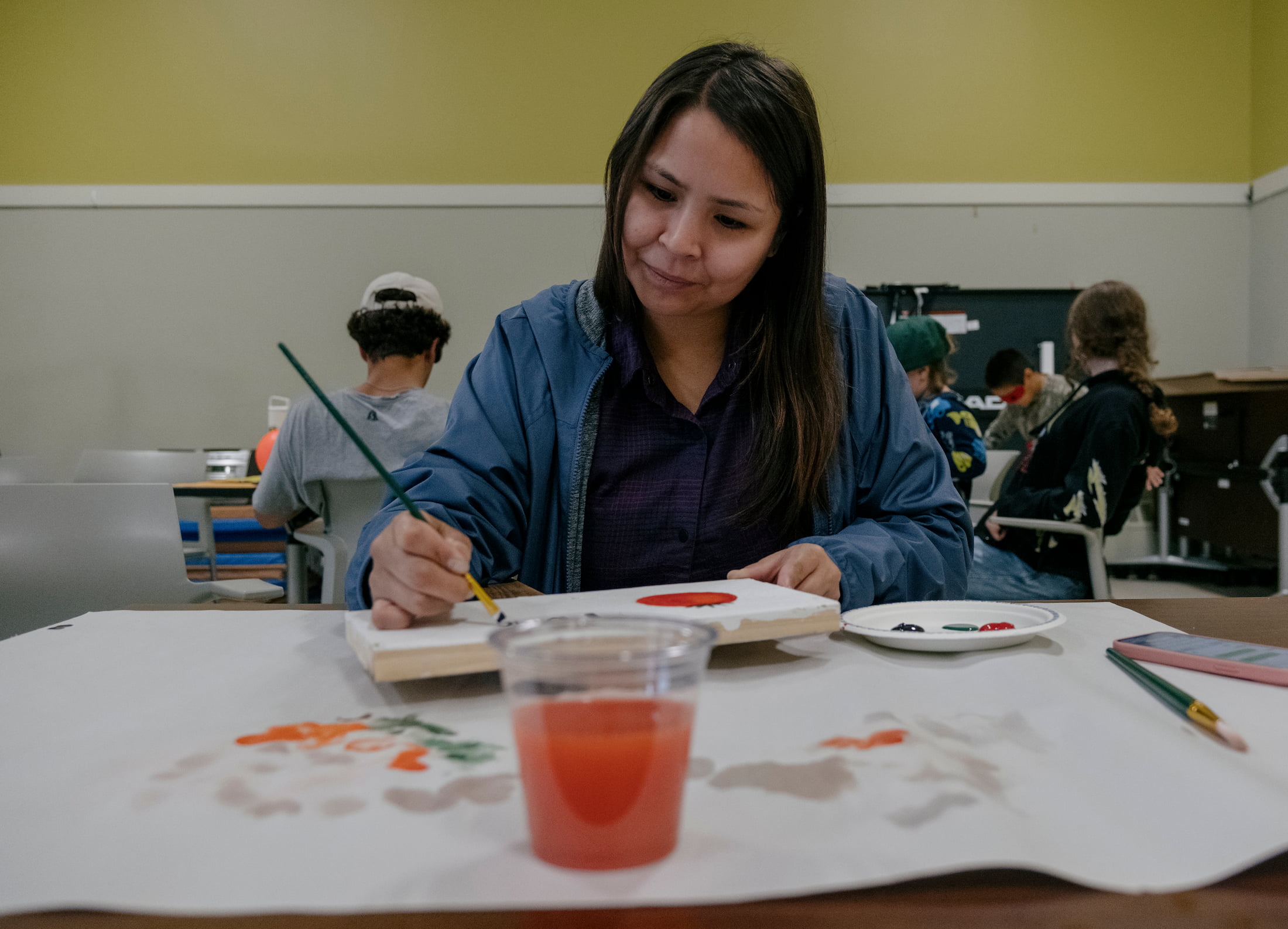
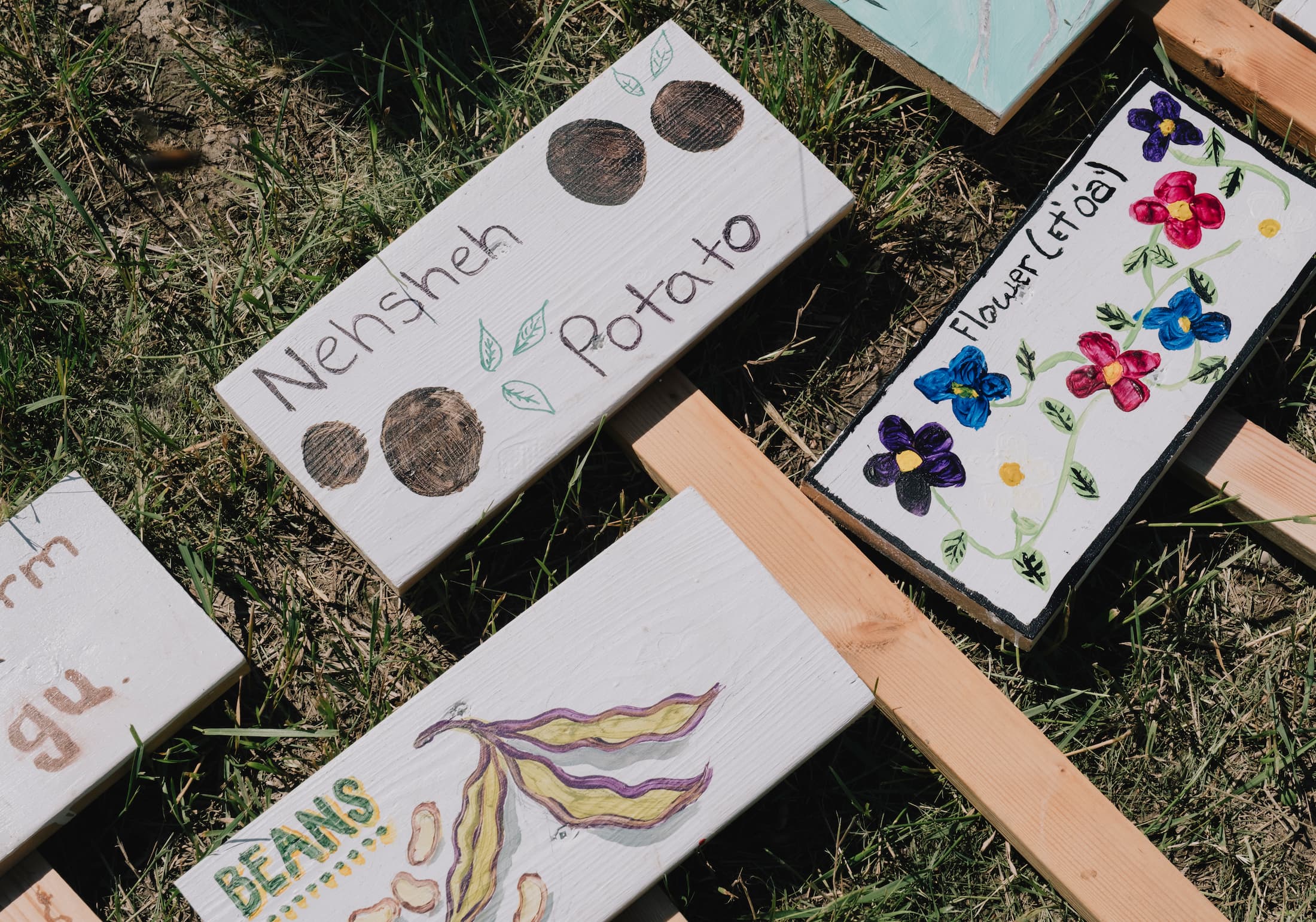
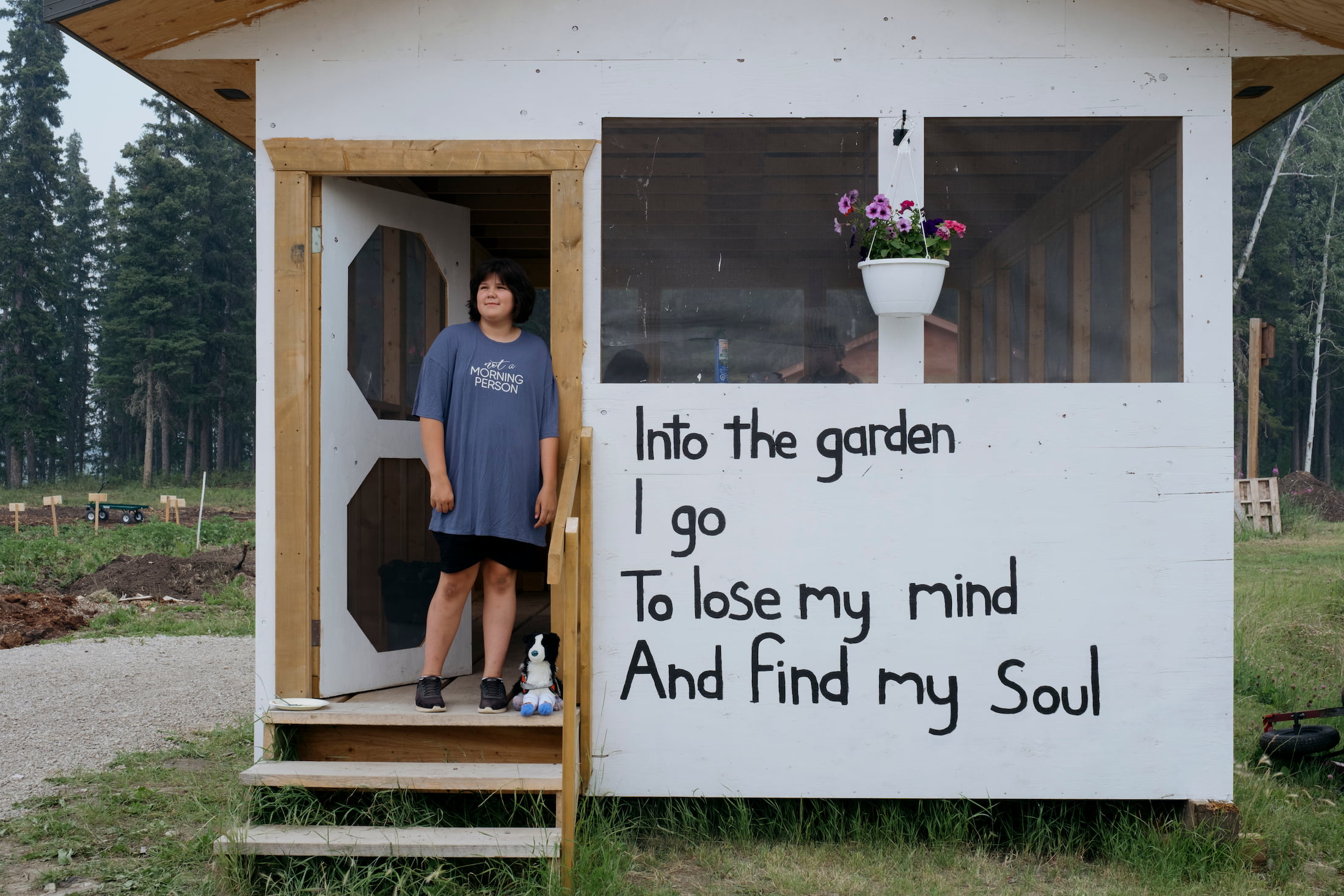
Participants toured the greenhouses, heard presentations by representatives of Ecology North and painted signs to display in Kakisa’s garden. Each sign includes both Dene and English translations, helping to maintain local language.

Full-width image

Spring sees Kakisa as a promising model of Indigenous food sovereignty, informing the work of Laurier’s Northern Sustainable Food Systems Research Group elsewhere in the territory. Beyond individual communities, he is leading the Future Harvest Partnership with the Territorial Agrifood Association and the Government of the Northwest Territories.

The four-year initiative, which received $7.8 million in federal funding, is bringing together northern farmers, Indigenous communities and academics to generate a sustainable food system in the Northwest Territories that improves access to fresh and healthy foods, fosters reconciliation and is responsive to the effects of climate change.
“We have shown it’s possible to grow food at a community level and now we need to think regionally,” says Spring. “What is the future of agriculture in the Northwest Territories?

Full-width image

Even with a broader focus, Spring remains deeply invested in the future of agriculture in Kakisa. He and his students continue to trial new ideas for community engagement, including a canning workshop and a weekly supper club to teach recipes using unfamiliar vegetables.

“Over the span of 10 years, we have been figuring out how to achieve the community’s vision and make it sustainable,” says Spring. “Our vision for the next 10 years is to see the community take greater leadership of the garden and we’ll play more of a supporting role. The students and I are here to provide a supportive framework for that to happen over time.”

Full-width image

After spending one summer in Kakisa, Smikle hopes to return for years to come. He is grateful his studies at Laurier brought him north, exposing him to aspects of social health and well-being he hadn’t previously considered. The experience has also taught him how to listen, share and learn alongside new people.

“If they are still willing to have me, I would love to be here helping Kakisa in the future,” says Smikle, envisioning master’s research in the community. “We’ve built these connections and I want people to know they have someone they can reach out to; that they have community partners.”

Full-width image

Smikle wants to make a “sustainable impact” in Kakisa, inspiring him to continue connecting with youth. Chief Chicot sees those relationships as the greatest impact of the Laurier partnership.

“We form lasting friendships with some of the Laurier students,” says Chicot. “The community has benefitted from what the students bring and we’ve managed to incorporate a lot of their ideas. I see a lot of younger people starting to think like them and considering why they should get an education too. Students learn from us and we learn from them.”

Full-width image

Learn More

Laurier researchers are collaborating with communities throughout Northern Canada to tackle urgent local issues.